
In the current industry, video game remakes vs originals are a constant debate.
Publishers are revisiting classic titles with modernized visuals and systems, but questions about preservation and creative legacy are getting harder to ignore
Remakes are common across the modern games industry. From Resident Evil 2 to Final Fantasy VII, publishers are leaning on back catalogs with sharper visuals and updated mechanics aimed at longtime fans and new audiences. These releases generate excitement, but they also raise a question: are remakes protecting what made these games meaningful, or are they turning them into something else?
What Should a Remake Be?
At their best, remakes overcome the technical or financial limits of a previous era. Hardware constraints and rushed cycles often left original visions incomplete. A title like Parasite Eve II could benefit from a remake that fully realizes its ambitions while respecting its identity.
The strongest remakes do more than update textures. They elevate the source material by keeping its tone and intent while embracing modern capabilities. Still, not all projects hit this standard. In some cases, content is removed and systems are simplified to fit modern market expectations. When this happens, the result feels less like a restoration and more like a revision.
The Marketing Trap: Defining the Terms
The modern audience often uses the terms “remake,” “reimagining,” and “remaster” interchangeably. Marketing departments take advantage of this confusion to sell products that do not always respect the source material. Correcting the record requires a clear distinction between these three approaches:
- Remake: A ground-up rebuild that honors the original design, tone, and mechanical intent.
- Reimagining: A project that uses the original as a base but changes the story, pacing, or themes significantly.
- Remaster: An update to resolution and performance while keeping the original code and logic mostly the same.
This distinction matters because expectations change depending on which approach is being taken. This article focuses on remakes as faithful rebuilds, not reimaginings or remasters.
The Benchmark: Resident Evil (2002)
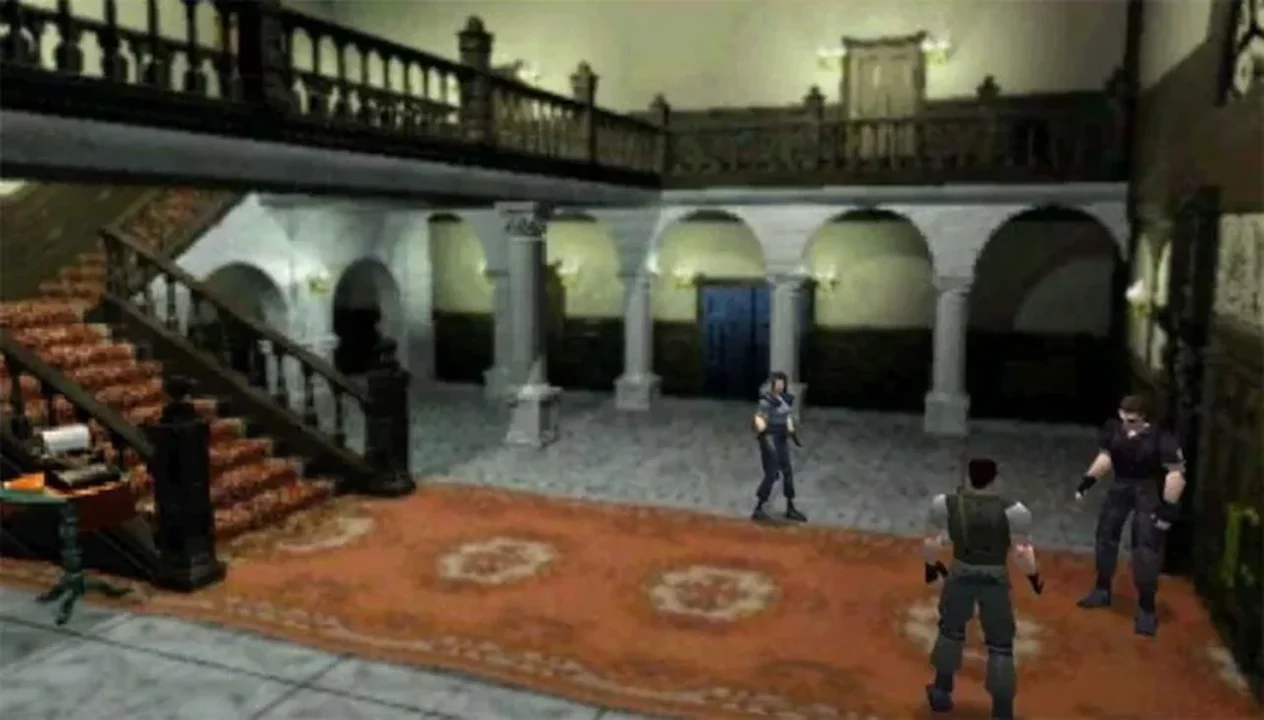
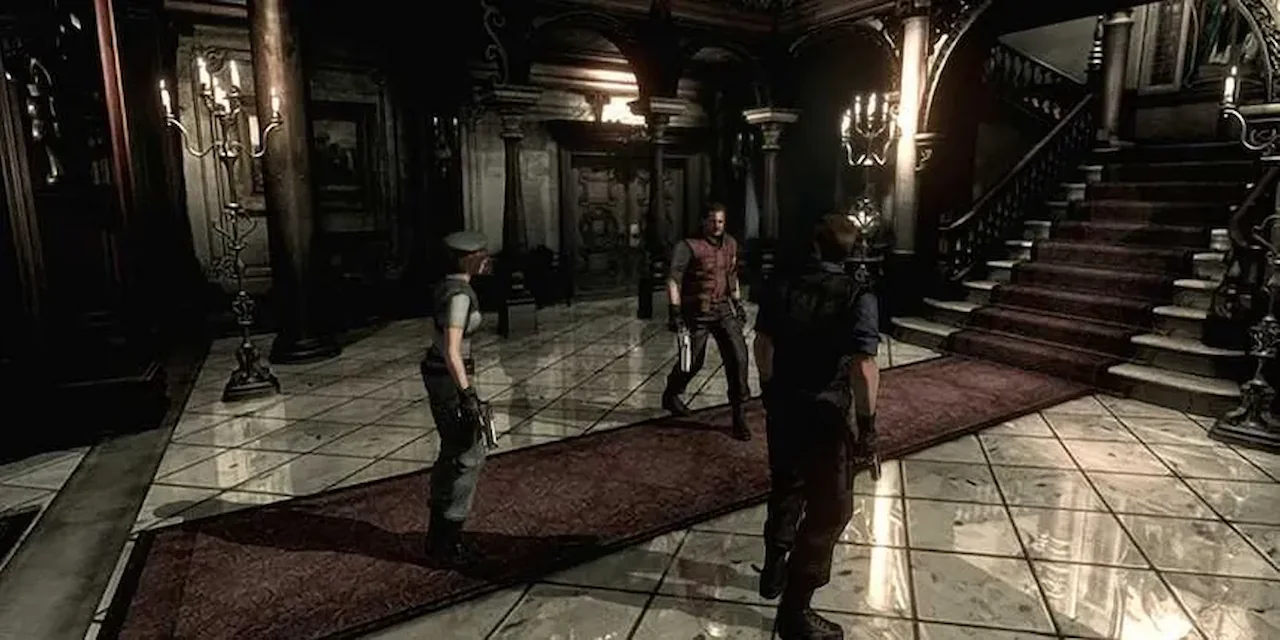
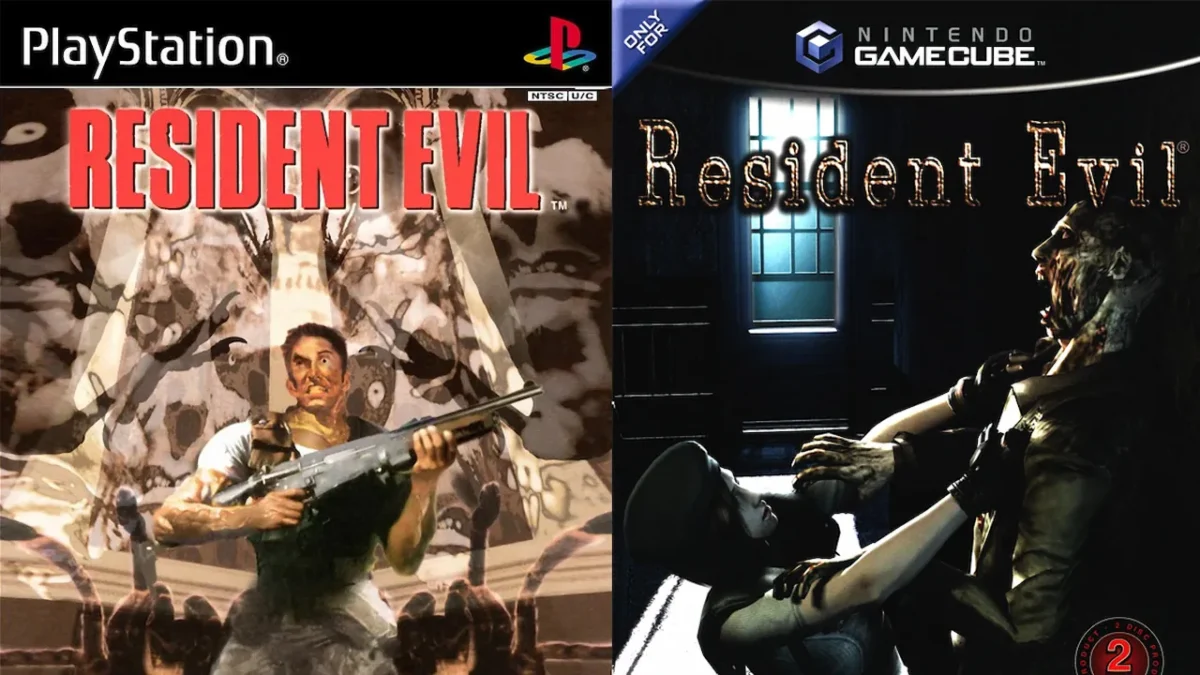
Capcom’s Resident Evil (2002) for the GameCube remains the definitive example of a remake. Compared to the 1996 original, it feels familiar while benefiting from modernized visuals and smarter enemy behavior. Crucially, content cut from the original was not discarded. It was expanded. New areas and deeper lore added tension without ruining the original design. It honors the past while standing on its own.
The Modernized Shift: Resident Evil 2 (2019)
Resident Evil 2 (2019) modernized combat while reworking the campaign structure. It is visually striking, but its revised systems simplified the “A and B” scenarios compared to the 1998 original. This changed how tension and player choice functioned across multiple runs. While the game was a critical success, it marked the beginning of a trend where defining structural elements were sacrificed for a more streamlined, over-the-shoulder experience.
The Reimagining: Final Fantasy VII
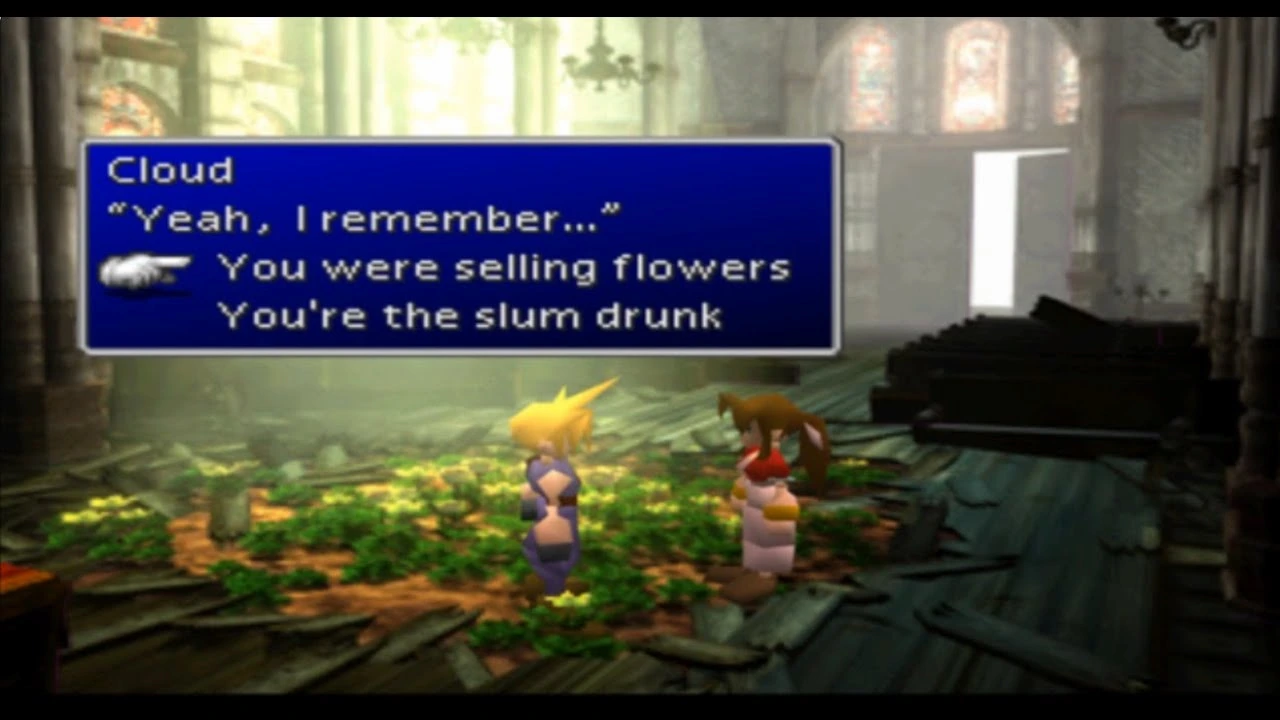
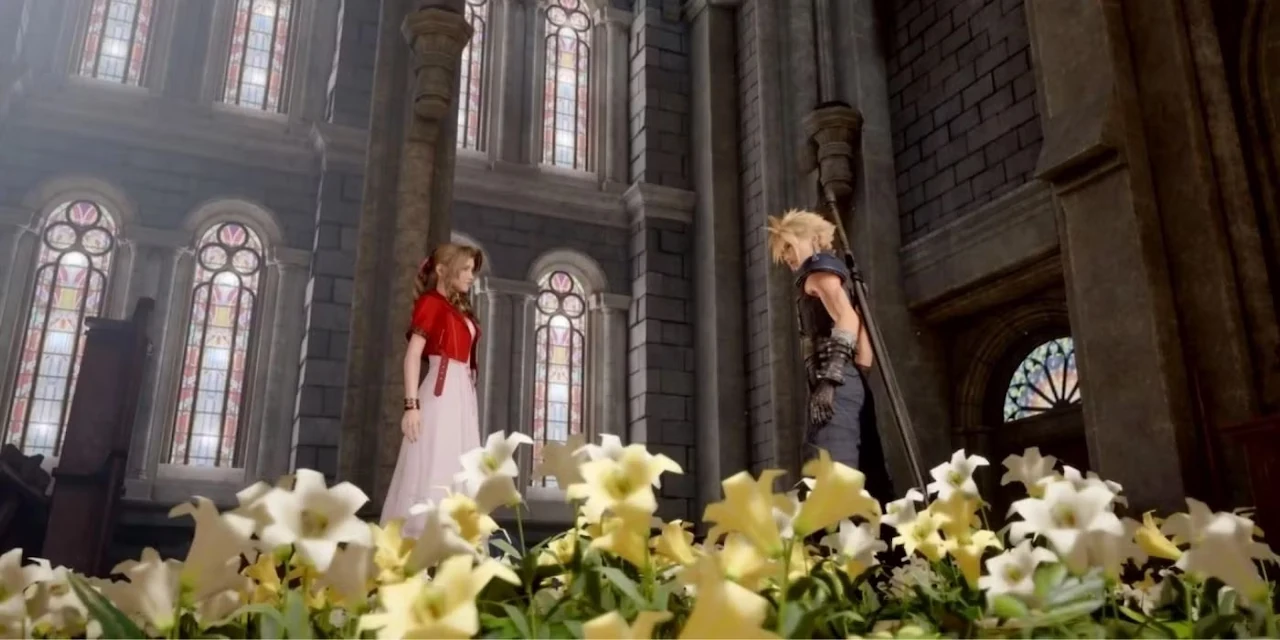
Final Fantasy VII Remake is better understood as a reimagining. It builds on the original foundation while reshaping the story and structure into something new. The relationship is similar to the film Disturbia and Alfred Hitchcock’s Rear Window. The core idea is recognizable, but the execution and intent differ enough to create a distinct work. Mismatched expectations are inevitable when projects like this are labeled as remakes.
The Corporate Obligation: Resident Evil 3 (2020)
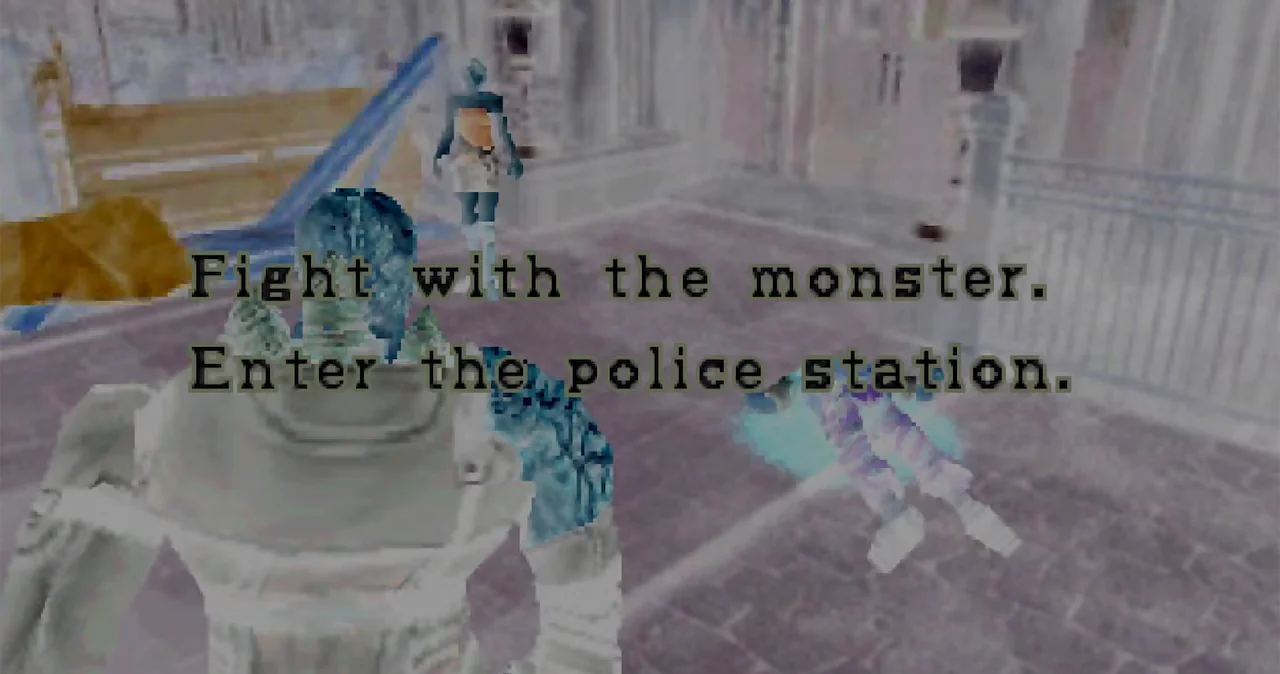
RE3’s live selection system made panic part of the design.
Resident Evil 3 (2020) represents a disrespectful shift in design philosophy. This project feels like a corporate obligation rather than a labor of love. The developers discarded the live selection system (a defining feature of the 1999 original). By removing this, they killed the player agency and panic that made the title unique.
The treatment of Nemesis is equally disappointing. In the original, he was a persistent, unpredictable hunter. In the 2020 version, he is reduced to a series of scripted puppets. Deleting entire locations like the Clock Tower proves a lack of respect for the original design. This is a hollowed-out action loop that trades depth for marketability. It is a snub to the legacy of the original staff.
These changes represent design ideas that may never return. When remakes replace originals rather than coexist with them, those ideas are lost to time. Not all modern revisions follow this path. Resident Evil 4 (2023) demonstrates a balanced approach, staying closer to the original tone while updating combat. Shadow of the Colossus (2018) offers an even clearer example of restraint. It modernized visuals while preserving the atmosphere and emotional weight of the original.
The Erasure of Satire & Friction
Remakes could be preservation tools. Instead, they often change the meaning of the work to fit modern standards.
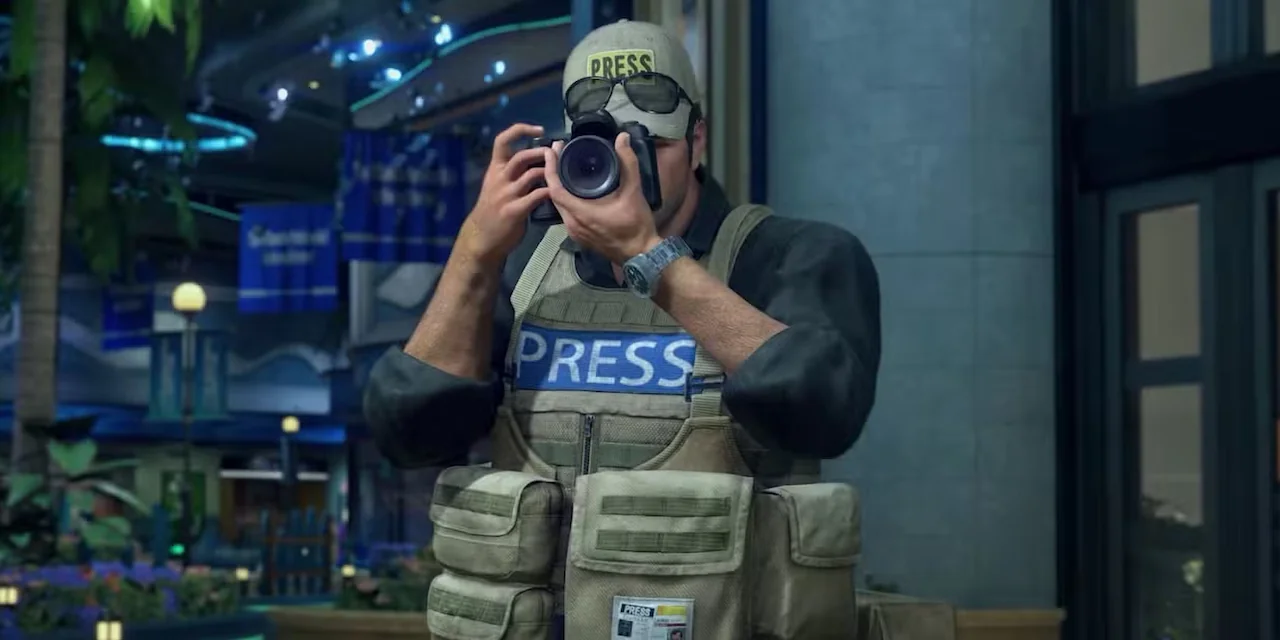
Frank West’s satire took a hit when the camera lost its edge.
Dead Rising Deluxe Remaster (2024) adjusted dialogue and mechanics originally designed as satire of sensationalist media. Removing these elements dulls the game’s edge.
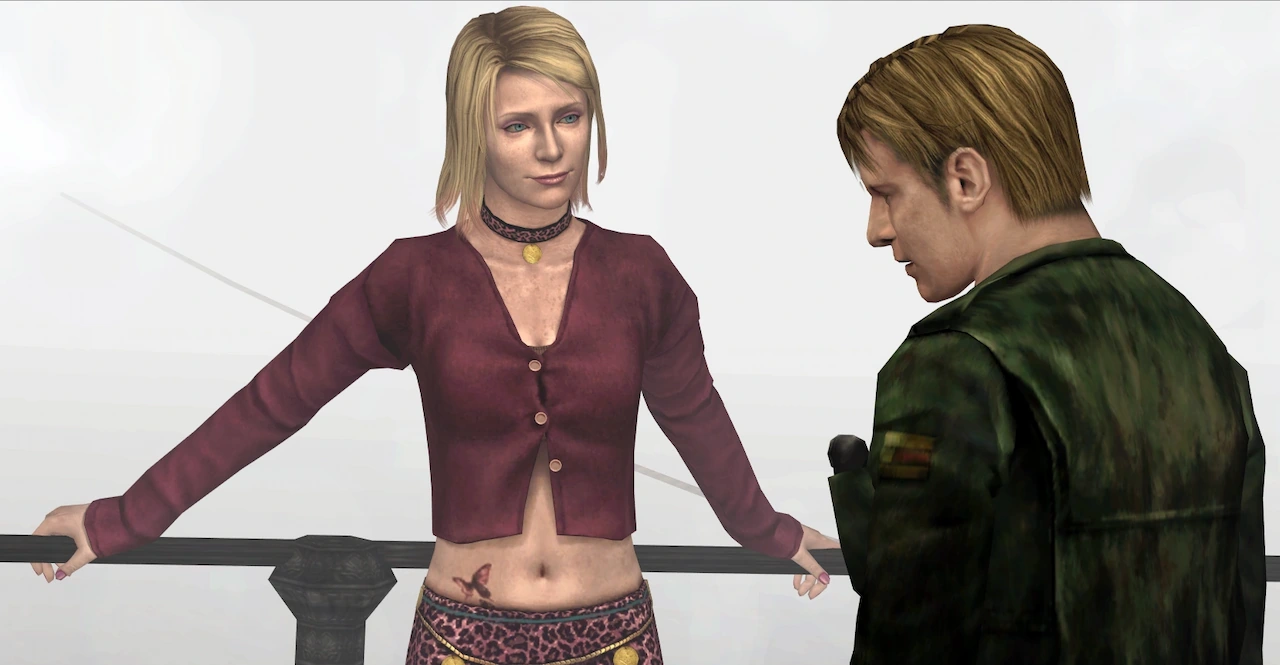
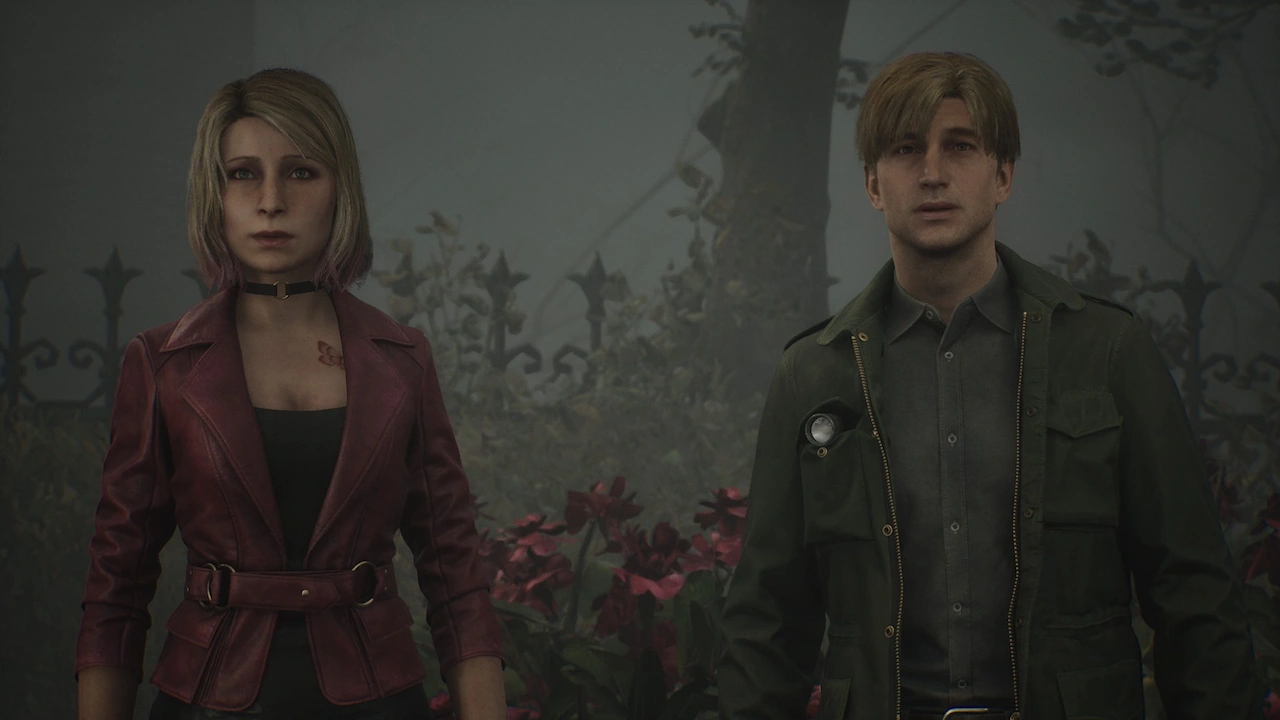
- Silent Hill 2 (2024) redesigning characters like Maria trades psychological friction for restraint.
These changes influence how new audiences interpret these works. When original versions are unavailable, revised editions become the only record. At that point, preservation gives way to replacement.
A Second Chance, Not a Rewrite
Remakes should be a chance to revisit history, not overwrite it. Providing access to original releases alongside these new versions would offer vital context. It would allow players to understand why these games mattered, rather than only seeing interpretations shaped by modern priorities. At their best, remakes bridge generations. At their worst, they encourage the industry to lose its understanding of how those games shaped the medium.