
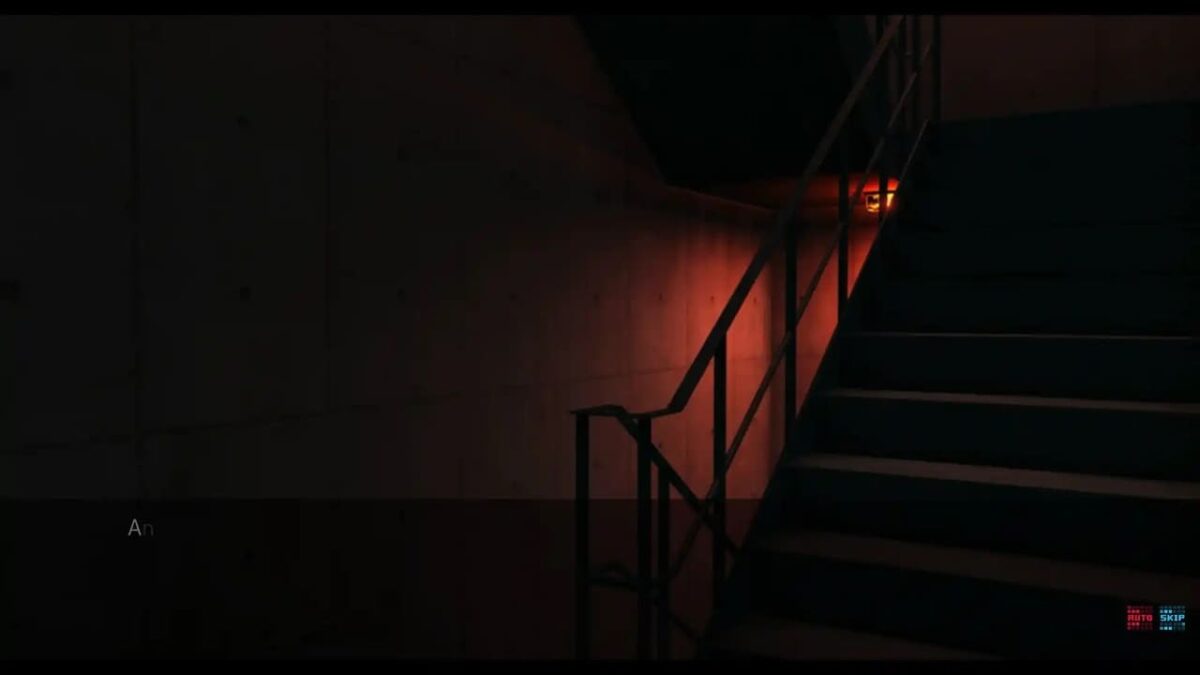
Many gamers avoid certain genres because they look like spectator sports.
My own visual novel journey began with a healthy dose of doubt. Like many, I dodged the genre because it looked static. The idea of reading as a primary mechanic didn’t appeal to me, and I doubted it could hold my attention for more than twenty minutes.
That perspective changed after playing the first two entries in the Spirit Hunter series. While these titles are technically adventure games, they prove how powerful atmosphere and music can be when the narrative takes center stage. Spirit Hunter Death Mark helped me see reading as an active, high-stakes experience. It didn’t feel like a book; it felt like a hunt.
First Impressions: Suda 51 & Technical Style
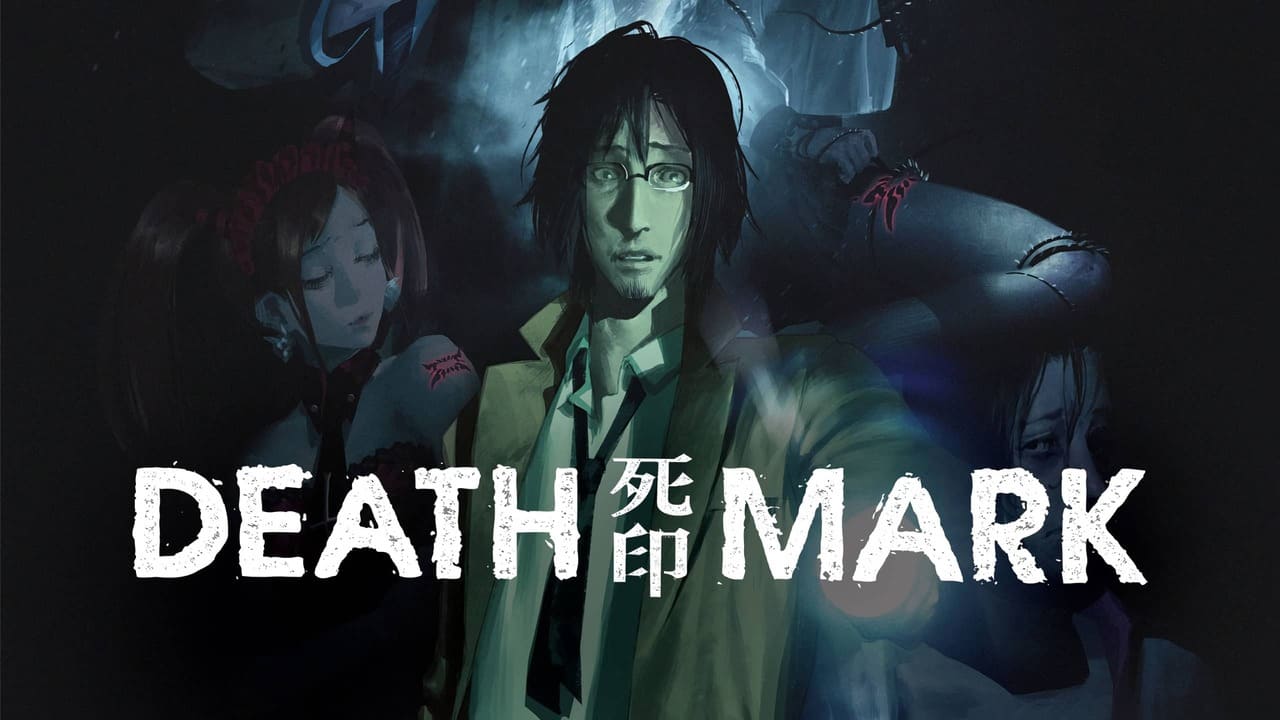
Death Mark was my gateway into adventure (ADV) games, using a blend of eerie mystery and meaningful choice to create genuine immersion. Before that, I had dabbled in The Silver Case and The 25th Ward by Suda 51. Those titles intrigued me with their experimental “Film Window” UI and abstract style, but they felt more like avant-garde art pieces than games.
It was Spirit Hunter, however, that made the genre finally click. I started to appreciate the quiet power of games that prioritize writing and tone over traditional twitch-reflex mechanics. When the overall presentation is the gameplay, every individual element, from the sound of a footstep to a line of dialogue, has to stand out.
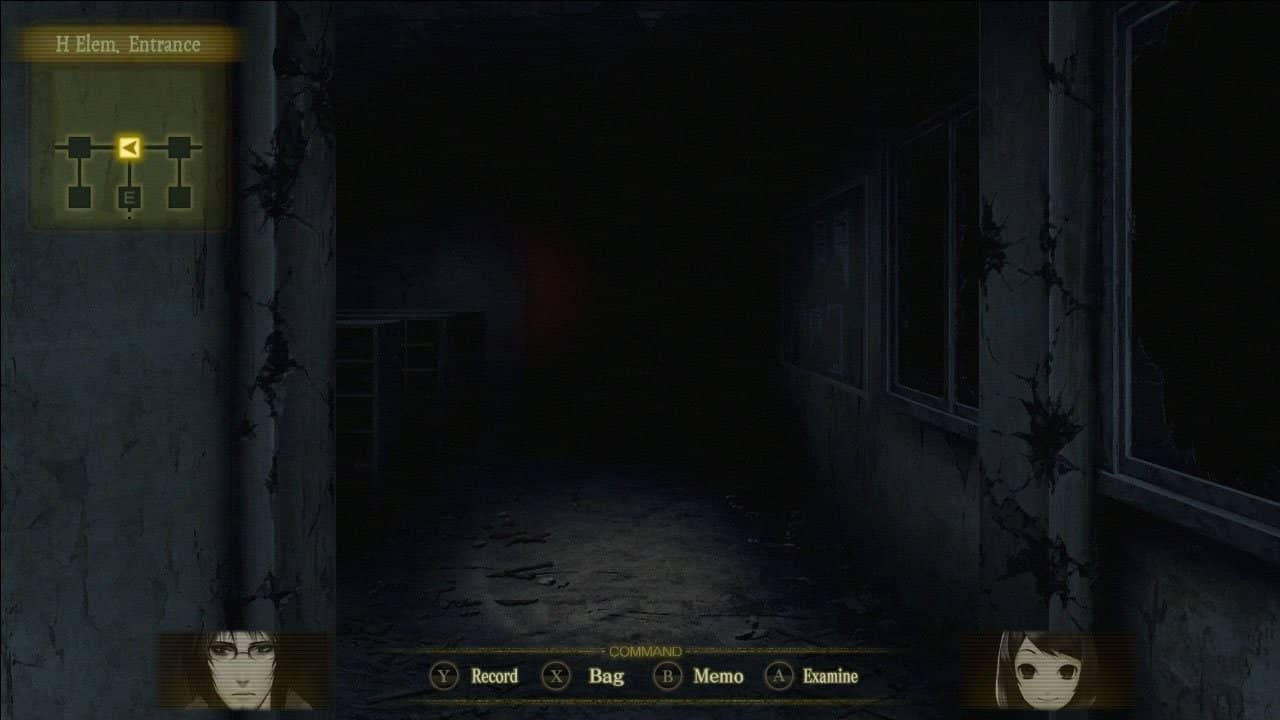
“I realized that immersion doesn’t require a vibrating controller; it just requires a world that refuses to let you look away.”
Danganronpa & the Kodaka Effect
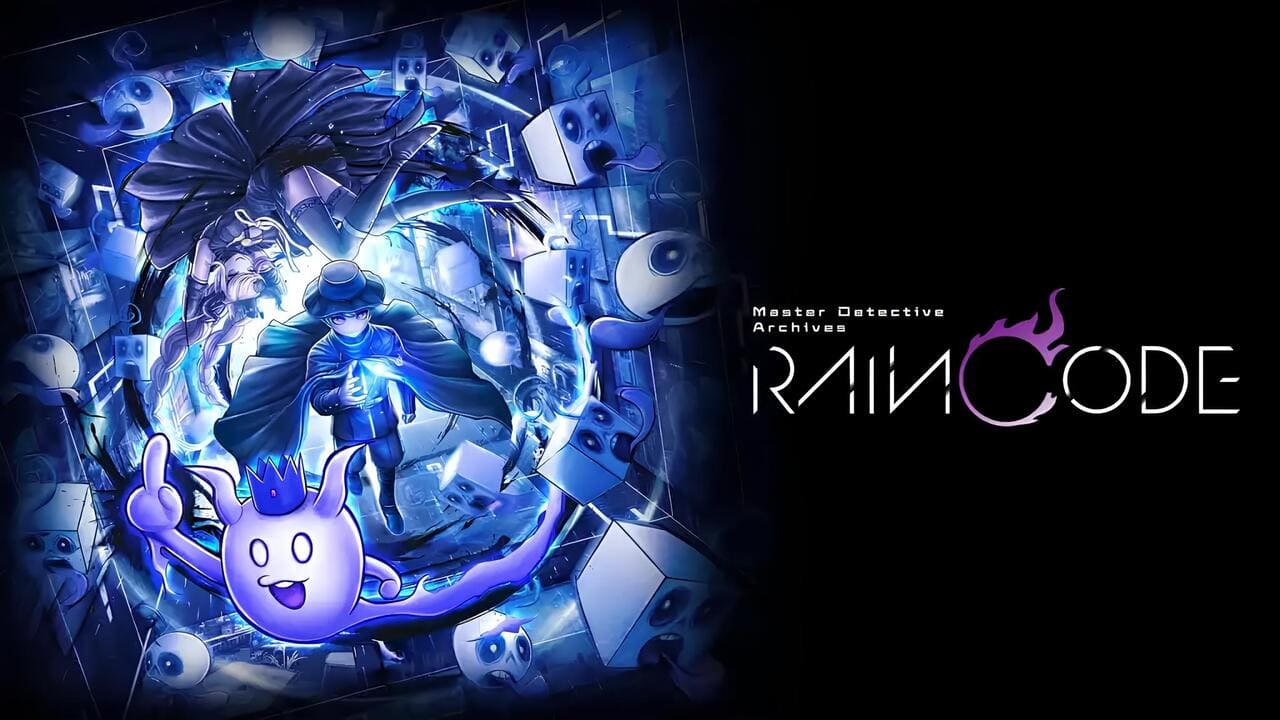
My interest grew with the Danganronpa series. Exploring Kazutaka Kodaka’s work revealed a level of character-driven storytelling I hadn’t seen before. With the release of Master Detective Archives: Rain Code, I wanted to track his growth as a writer. Playing Danganronpa 1 and 2 back-to-back, then jumping into Rain Code, gave me a new respect for the format. Kodaka’s evolution showed how wild, smart, and strange narrative gaming could get, proving that suspense and dark humor can thrive without a single traditional action set-piece.
Chaos;Head Noah: The Knockout Punch
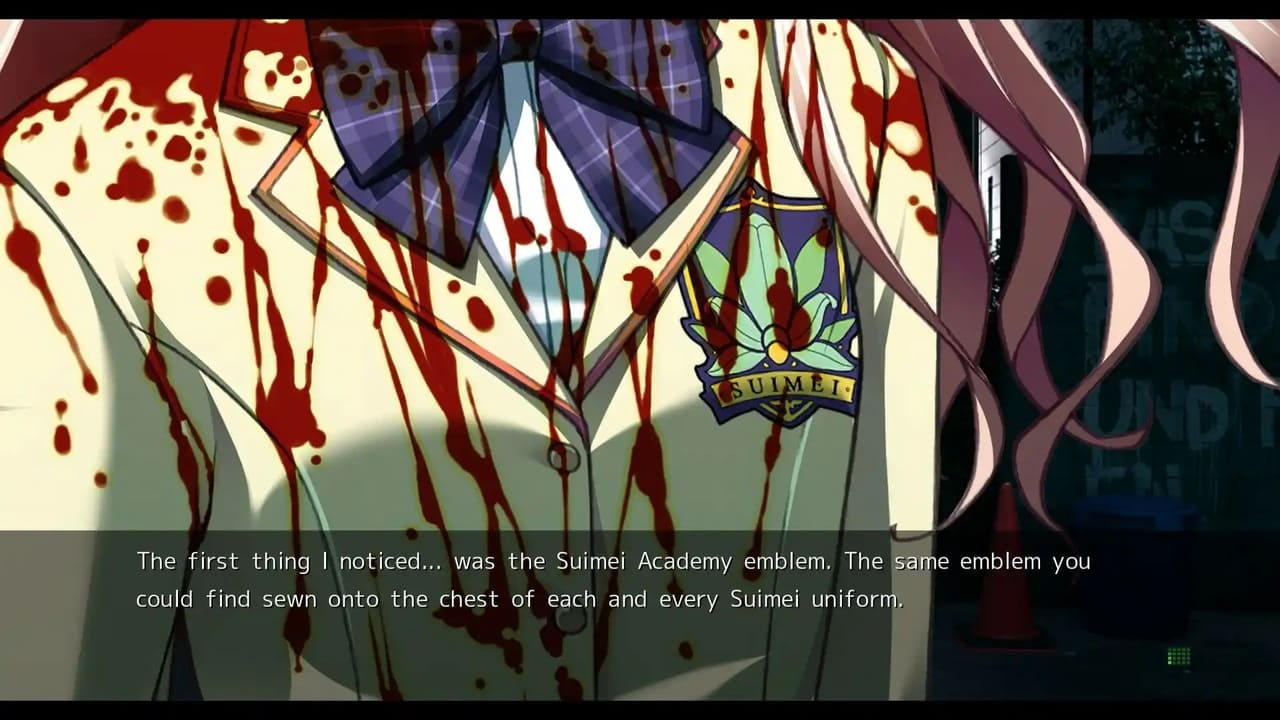
The real turning point was Chaos;Head Noah. This game completely reset my expectations for the medium. It blurred the lines between reality, delusion, and horror in a way that felt deeply personal. The psychological themes combined with Takeshi Abo’s haunting score created a sense of genuine paranoia that few action games could ever replicate. It was bold, unsettling, and final proof that text and sound can create emotional depth that stays with you long after the console is off. If Spirit Hunter was the gateway, Chaos;Head Noah was the knockout punch.
Famicom Detective Club & Science Adventure
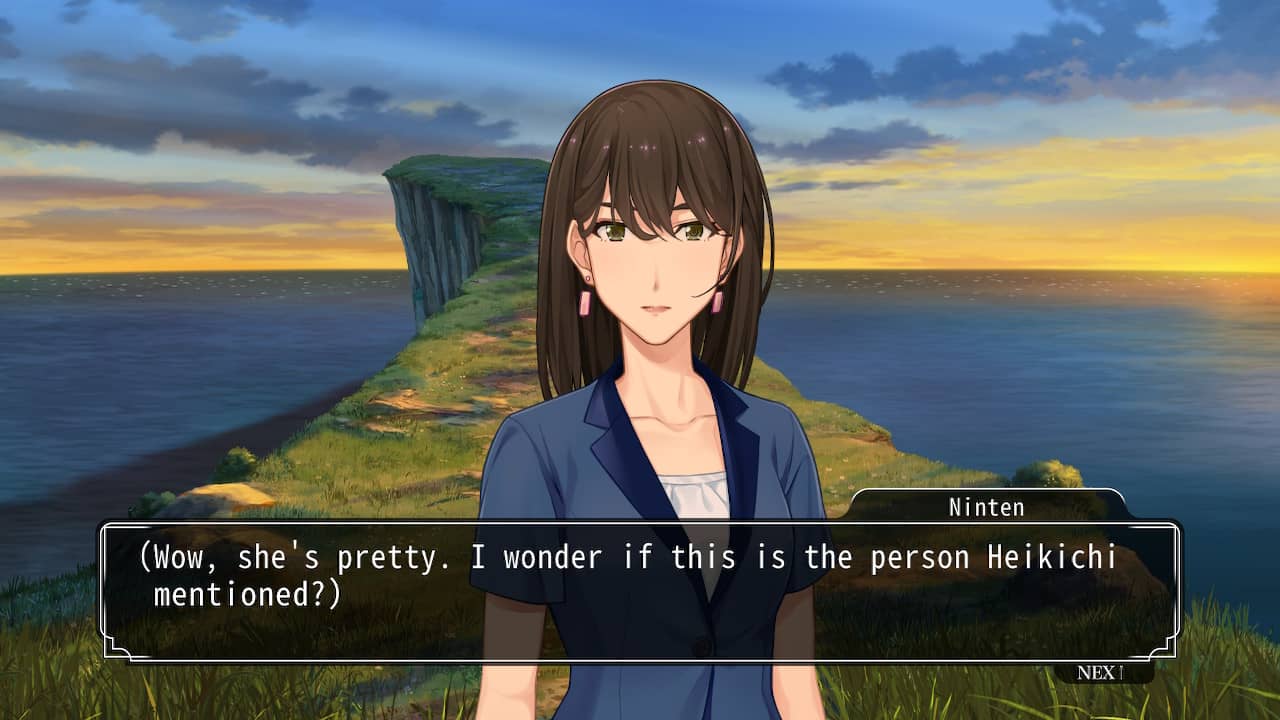
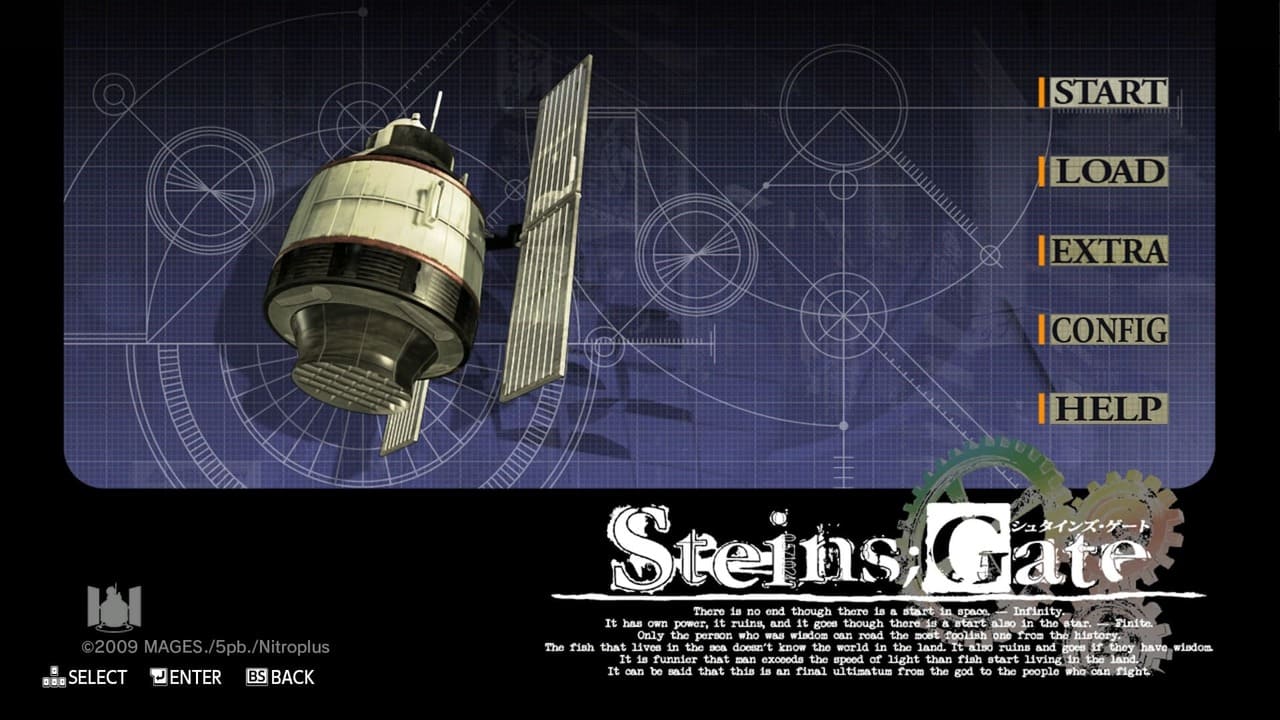
The road didn’t stop at the modern stuff. The Famicom Detective Club remakes drew me into the roots of the genre with their tight, logical narratives. They stripped away the flash and proved that a well-paced mystery is timeless. From there, I moved into the Science Adventure series, including Steins;Gate. These games find a rare balance between speculative science and personal drama that you simply don’t find outside of this specific niche. Diving into this series gave me a new appreciation for the intersection of science, mystery, and narrative depth.
Conclusion: Why Narrative Games Deserve Respect
This journey taught me that games do not need fast reflexes to be immersive. When done right, visual novels and adventure games offer some of the richest experiences in the industry. They give players the one thing modern blockbusters often forget: room to reflect.
For anyone still standing on the sidelines, these genres offer an eye-opening shift. They deserve recognition not just as stories, but as masterclasses in artistry and emotional impact.