
Disclosure: KonNetwork is reader-supported. We use affiliate links to keep ads and tracking scripts off the site. As an Amazon Associate, we earn from qualifying purchases.
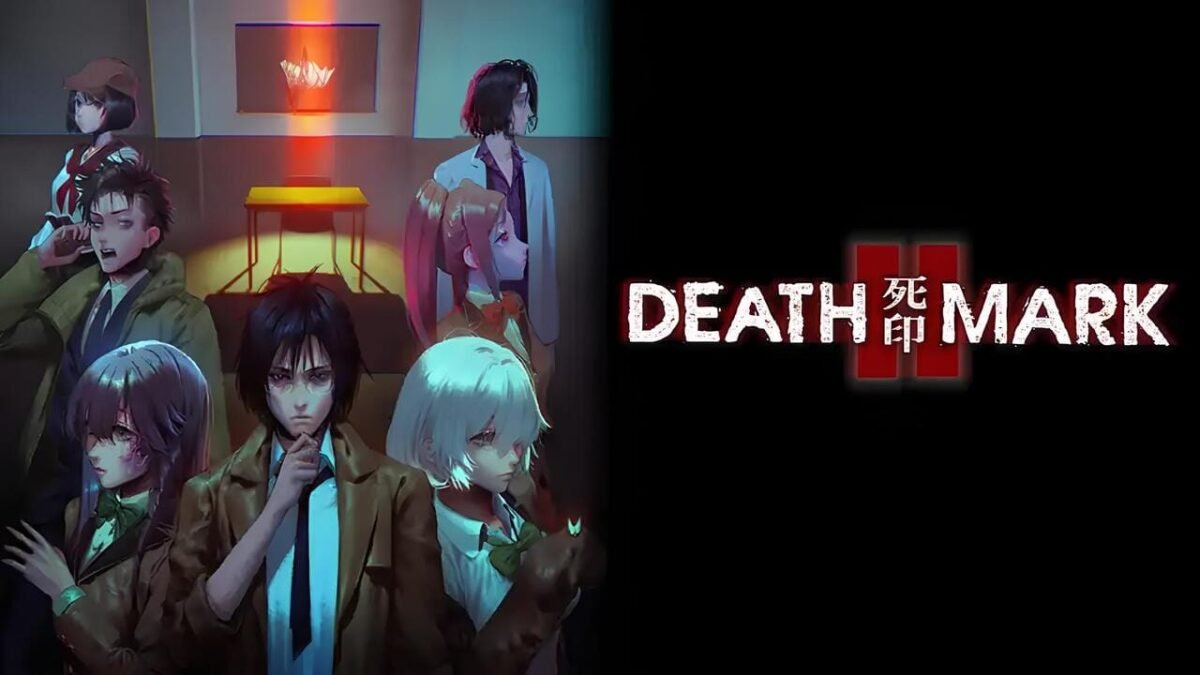
Spirit Hunter: Death Mark II embraces change without abandoning the psychological horror that made the series memorable. The result is a polished and satisfying conclusion to Experience Inc.’s trilogy despite a less immersive perspective.
Spirit Hunter Death Mark II At a Glance
Release Date
Dec 1, 2022 (JP)
Feb 15, 2024 (WW)
Price
$49.99 MSRP Digital (eShop | Steam | PlayStation)
$49.99 MSRP Physical (Switch | PS5)
Proton
9.0-4
Completed on
PC
HLTB
19 Hours (Completionist)
/ My Time: 28hrs 37mins
Returning to the Mark
Following Death Mark and Spirit Hunter: NG, Experience Inc. faced a different challenge with Death Mark II: evolve the series without losing the oppressive atmosphere that had become its defining identity. Rather than simply producing another first-person investigation, the studio introduced side-scrolling exploration, expanded RPG mechanics, and a greater emphasis on cinematic presentation while preserving the investigative horror and supernatural mysteries that defined its predecessors.
The project reunited many of the creative staff responsible for the earlier games, including director Motoya Ataka, writer Fumiya Sumio, composer Naoaki Jinbo, and artist kera. Backed by a successful crowdfunding campaign that exceeded 200 percent of its original funding goal, the team used those additional resources to deliver the series’ most ambitious production values, including expanded voice acting, highly detailed artwork, fluid character animation, and a darker overall presentation that earned a CERO Z rating in Japan.
The game launched in Japan for PS4 and Switch on December 1, 2022. Aksys Games handled the global release on February 15, 2024, bringing the horror to Switch, PC, and PS5. Key series veterans returned for the project, including Motoya Ataka, Fumiya Sumio, Naoaki Jinbo, and kera. In a major shift for the studio, this title earned a CERO ‘Z’ rating in Japan, whereas the earlier games were rated ‘D’ (the equivalent of an ESRB ‘M’ rating).
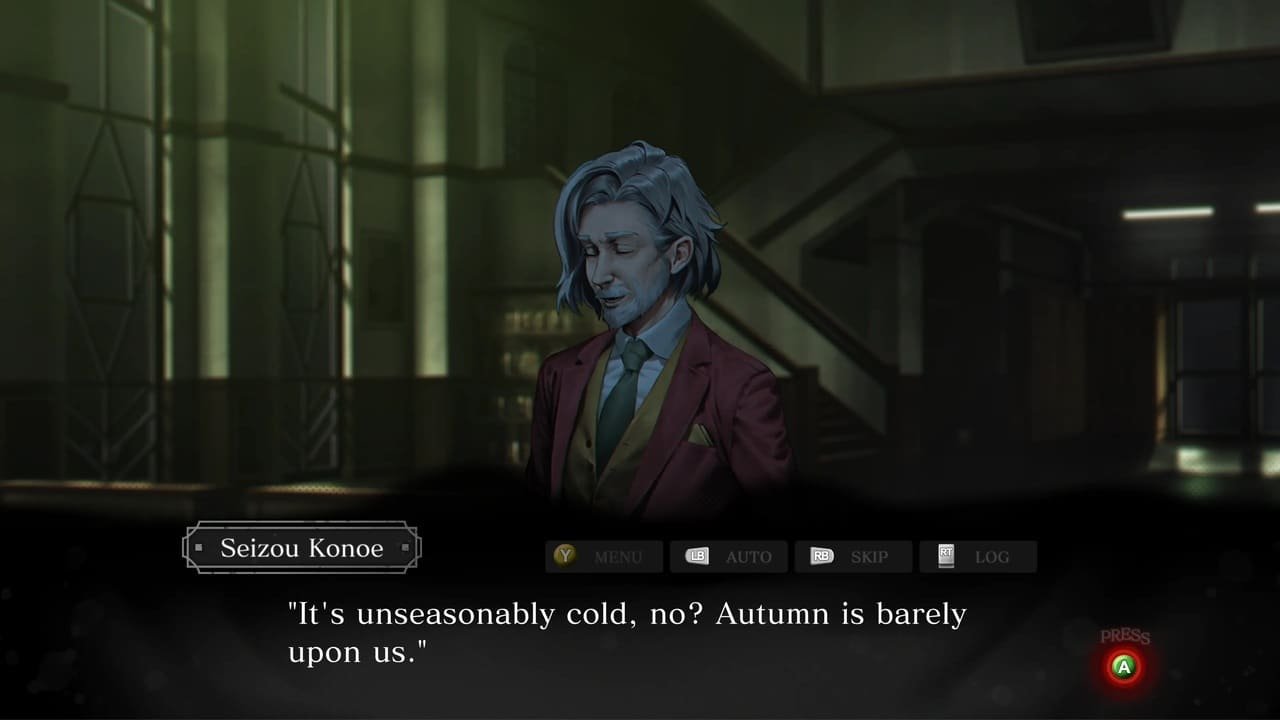
Konoe definitely brings some wizarding world energy to this creepy school investigation.
Reviewer’s Perspective
Before beginning Death Mark II, I had already completed both Death Mark and Spirit Hunter: NG, making me very familiar with Experience Inc.’s approach to supernatural horror. I had also followed the game’s development from its original crowdfunding campaign through release, making this one of my most anticipated adventure games in recent years.
Because of the transition to side-scrolling exploration, I even revisited the first two Danganronpa games beforehand to reacclimate myself to navigating 2D environments after spending so much time with the series’ original first-person presentation.
Walking the Haunted Halls
The biggest surprise is how naturally the new side-scrolling exploration works. While I initially missed the first-person perspective that defined the previous games, moving through environments quickly became second nature. Being able to run through the academy keeps investigations moving at a much faster pace, making backtracking far less cumbersome than before.
The returning RPG mechanics also add welcome depth. Every action consumes HP, forcing players to carefully manage their resources during investigations rather than simply interacting with everything they encounter. Collecting Eerie Teeth provides meaningful progression by rewarding exploration with permanent upgrades, giving every room another reason to be examined carefully.
Although the new perspective sacrifices some of the claustrophobic tension that came from seeing the world through Yashiki’s eyes, the smoother navigation and improved pacing ultimately make exploration feel more enjoyable throughout the adventure.
Every Ghost Leaves a Scar
Presentation is where Death Mark II truly excels. Naoaki Jinbo’s soundtrack continues to deliver the oppressive atmosphere the series has become known for, while expanded voice acting and beautifully detailed character artwork make this the strongest-looking entry in the trilogy.
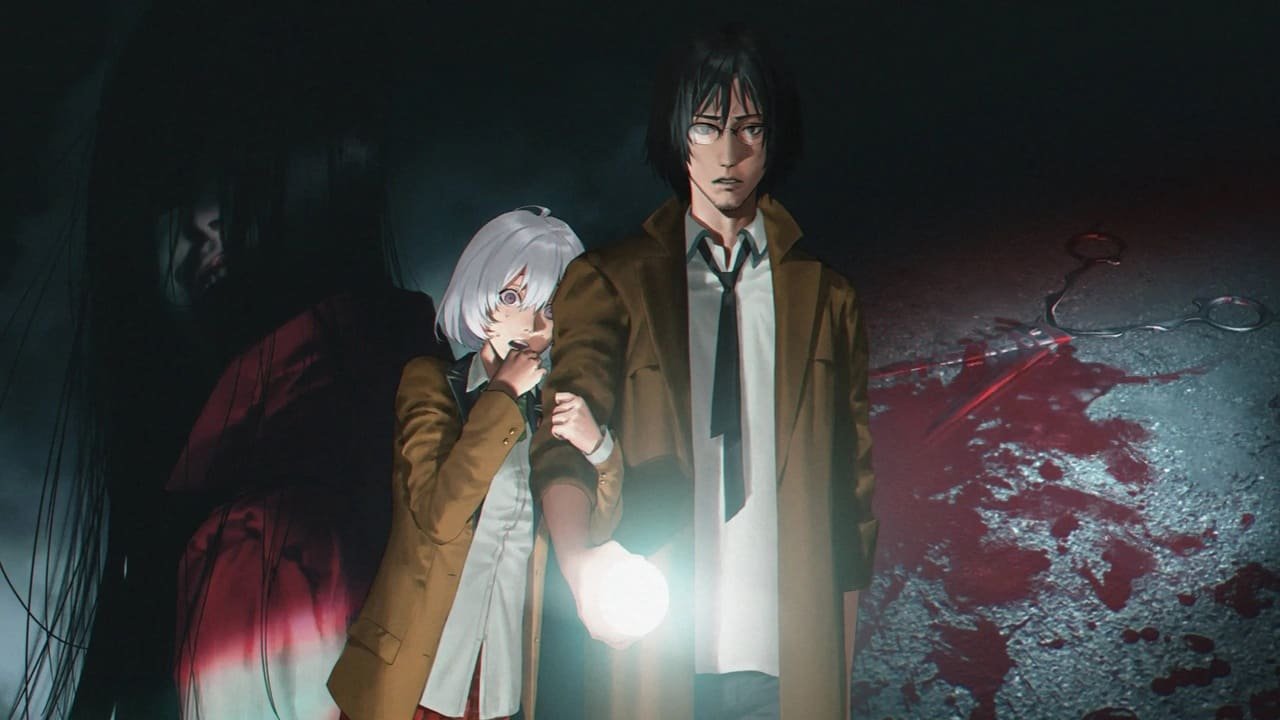
Kashima quickly establishes herself as one of the trilogy’s most memorable supernatural threats
The spirits themselves remain one of the series’ greatest strengths. Encounters with figures such as Kashima and Kokkuri continually reinforce the mystery while maintaining the unsettling blend of urban legends and psychological horror that defines Spirit Hunter. Combined with the game’s excellent CG artwork and some of the series’ strongest locations, the supernatural investigations remain engaging from beginning to end.
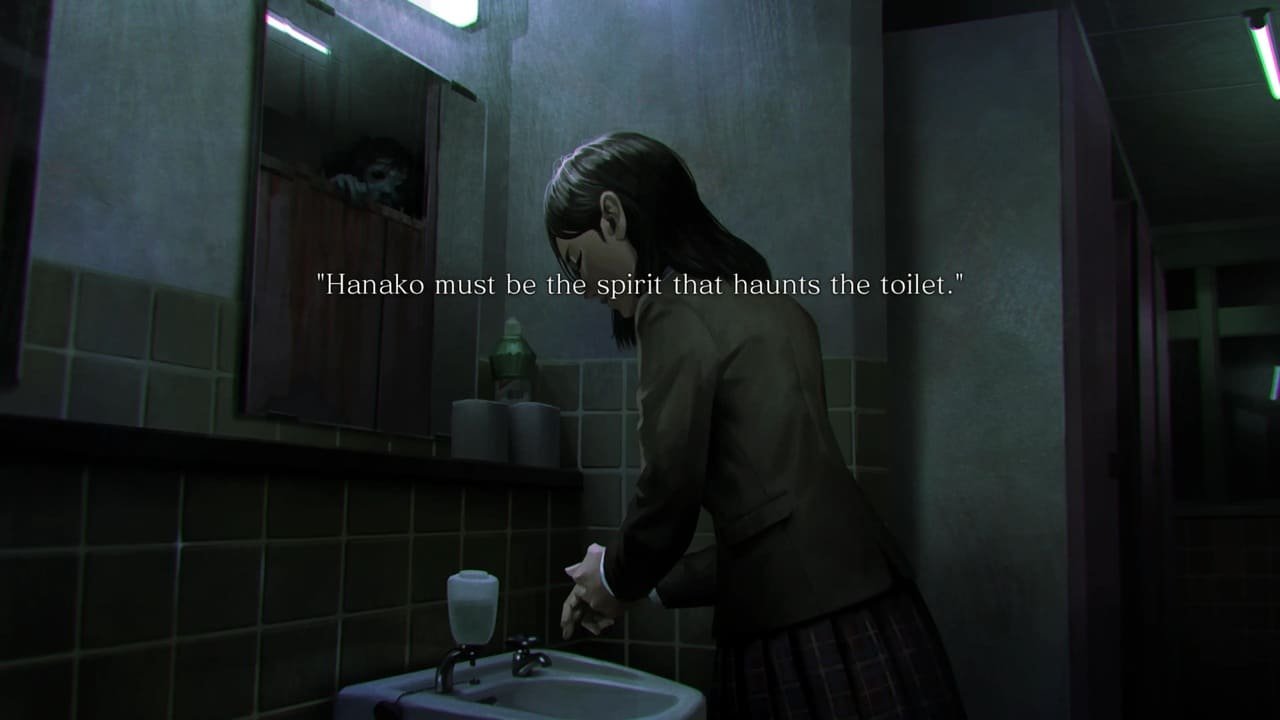
Even a routine trip to the restroom becomes unsettling when Hanako is nearby.
The final chapters are especially memorable, delivering environments that rival the forest from the original Death Mark and the closing sequences of NG as some of the creepiest locations Experience Inc. has created.
Final Verdict
Spirit Hunter: Death Mark II succeeds because it embraces change without abandoning the identity that made the series memorable. Although the transition to side-scrolling exploration sacrifices some of the claustrophobic immersion created by the original first-person perspective, the tradeoff results in smoother navigation, stronger pacing, and a more approachable investigative experience.
Combined with the trilogy’s finest artwork, outstanding music, memorable spirits, and rewarding RPG progression, Death Mark II confidently concludes the series while demonstrating Experience Inc.’s willingness to evolve rather than simply repeat itself. Multiple endings, collectible upgrades, and a satisfying mystery provide plenty of reasons for horror fans to see the investigation through to its true conclusion.
Review Summary
Spirit Hunter: Death Mark II (PC)
Spirit Hunter: Death Mark II modernizes the series with polished presentation, memorable supernatural mysteries, and refined investigative gameplay.
While side-scrolling exploration sacrifices some immersion, its confident evolution makes for a satisfying conclusion to the Spirit Hunter trilogy.
Tested On
CPU: Ryzen 7 5900X | GPU: RTX 3080 Ti | RAM: 32GB DDR4 | Storage: Crucial P5 Plus NVMe SSD
OS: Windows 11 x64 | Resolution: 1080p