
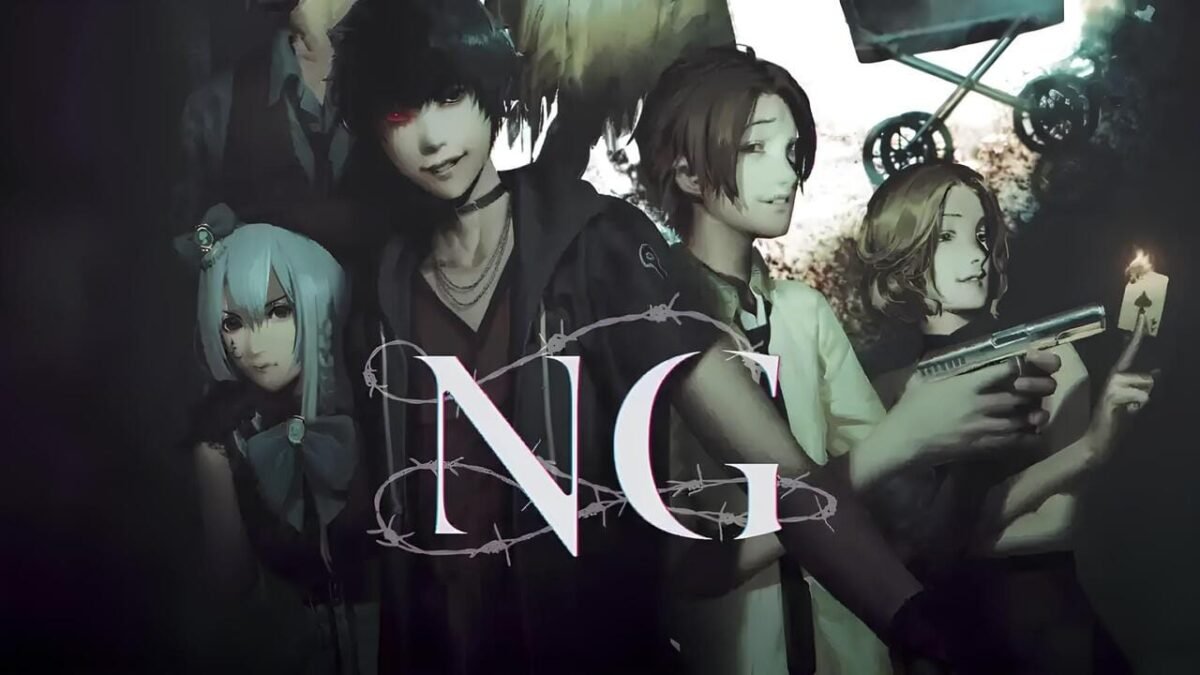
Spirit Hunter: NG trades psychological dread for relentless suspense without losing the identity that made its predecessor memorable. The result is another outstanding horror adventure, even if some of Death Mark‘s investigative depth is lost along the way.
Spirit Hunter N;G At a Glance
Release Date
Sept 13, 2018 (JP)
Oct 10, 2019 (WW)
Price
$39.99 MSRP Digital (Steam | eShop | Playstation)
Proton
Proton 8.0-4
Completed on
Switch (Handheld)
HLTB
17 Hours (Main + Sides)
/ My Clear Time: 15hrs
A New Kind of Fear
Following the success of Spirit Hunter: Death Mark, Experience Inc. deliberately chose not to simply repeat the same formula. CEO Hajime Chikami explained that while the original game focused on immediate life-or-death horror, Spirit Hunter: NG was designed as a slower-burning supernatural thriller where the danger gradually escalates until everything reaches its breaking point.
That change in philosophy influenced nearly every aspect of the sequel. The reserved, middle-aged protagonist from Death Mark gave way to a hot-blooded high school student whose impulsive personality fundamentally changes how the story unfolds. Experience Inc. also placed enormous emphasis on visual direction, reviewing thousands of pieces of concept art and repeatedly rebuilding chapters until they matched the team’s intended atmosphere.
We looked at tens of thousands of pieces of concept art… If the chapter seems different from what we had in mind, we remake it from scratch.
– Hajime Chikami
Rather than recreating Death Mark, the team set out to evolve the series into a more cinematic supernatural thriller while preserving the investigative horror that defined its predecessor.
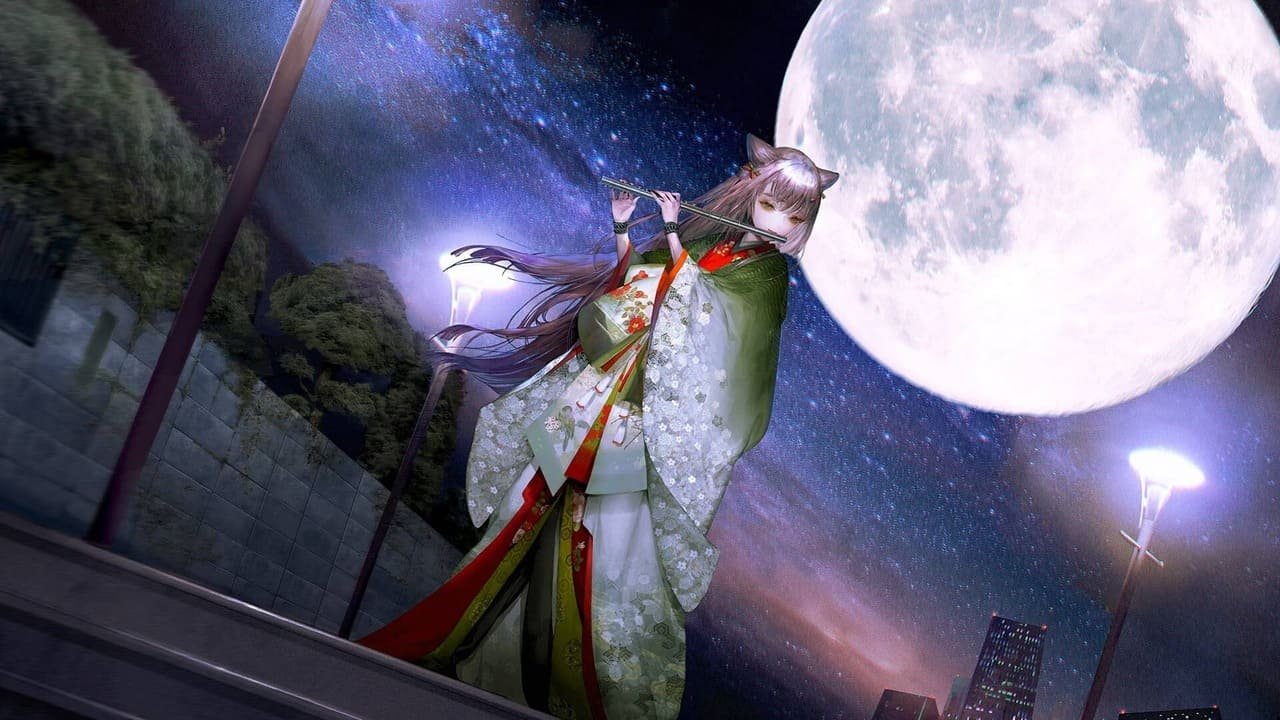
Kakuya performs beneath the moonlight during an early encounter in Spirit Hunter: NG.
Reviewer’s Perspective
I began Spirit Hunter: NG only nine days after completing Death Mark, making it easy to compare the two games while their mechanics, stories, and atmosphere were still fresh in my mind. That first game immediately sold me on Experience Inc.’s work, leading me to follow contributors such as kera, Fumiya Sumio, and Kazuhiro Oya.
At the time I had also completed visual novels including The Silver Case and Danganronpa, while Aksys Games had already earned my trust through localizations such as BlazBlue and Zero Escape. This review is based on a completed playthrough of the Nintendo Switch version.
A Faster Descent
NG immediately delivers on Experience Inc.’s promise of creating a different kind of horror. While Death Mark often lingered in its dread, Spirit Hunter: NG keeps the tension moving through smaller environments, a streamlined interface, and a faster investigative pace.
The revised mechanics reinforce that philosophy. Crisis Choice and Survival Escape replace the original game’s Live-or-Die encounters without feeling like simple substitutes, creating tense decision-making that complements the sequel’s stronger momentum. Exploration also benefits from the more focused structure, allowing each location to remain memorable without overstaying its welcome.
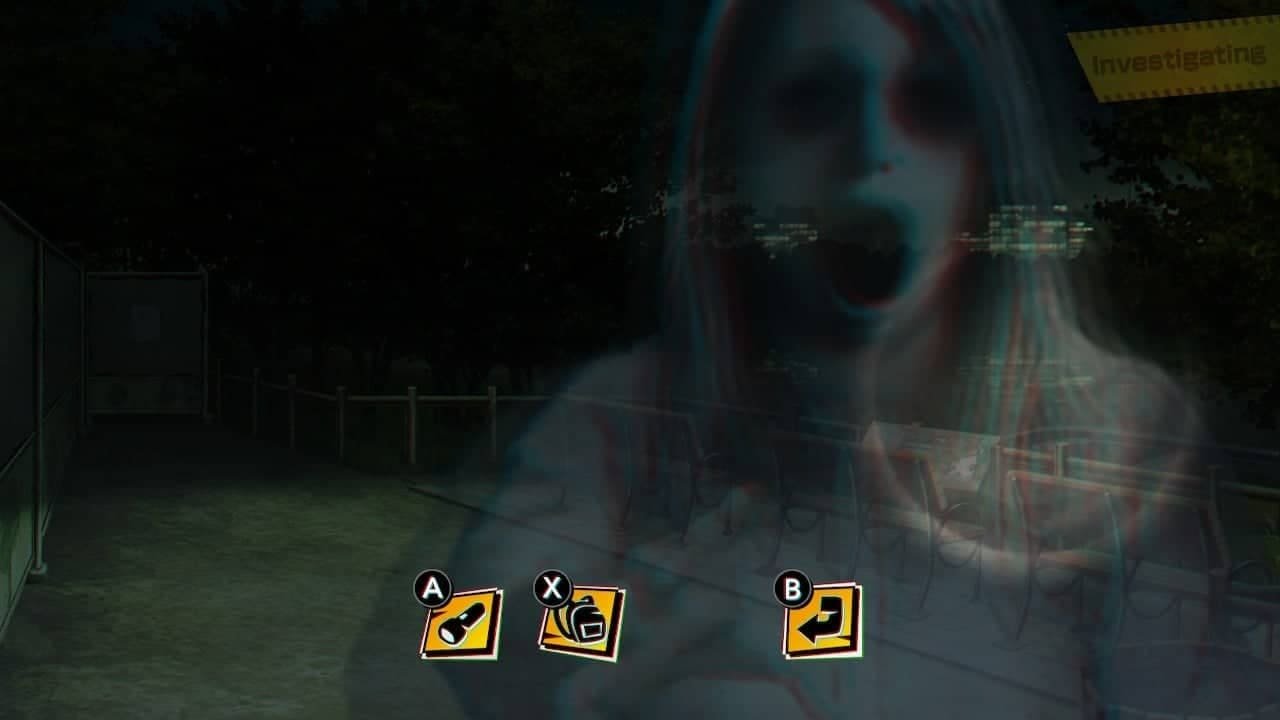
The Urashima Woman’s sudden appearance turns a quiet investigation into one of NG’s most memorable jump scares.
The tighter pacing comes at a cost, however. The reduced exploration areas and smaller number of clues mean some of the deeper investigative elements that made Death Mark so rewarding are less prominent here. Even so, the overall gameplay loop remains engaging from beginning to end.
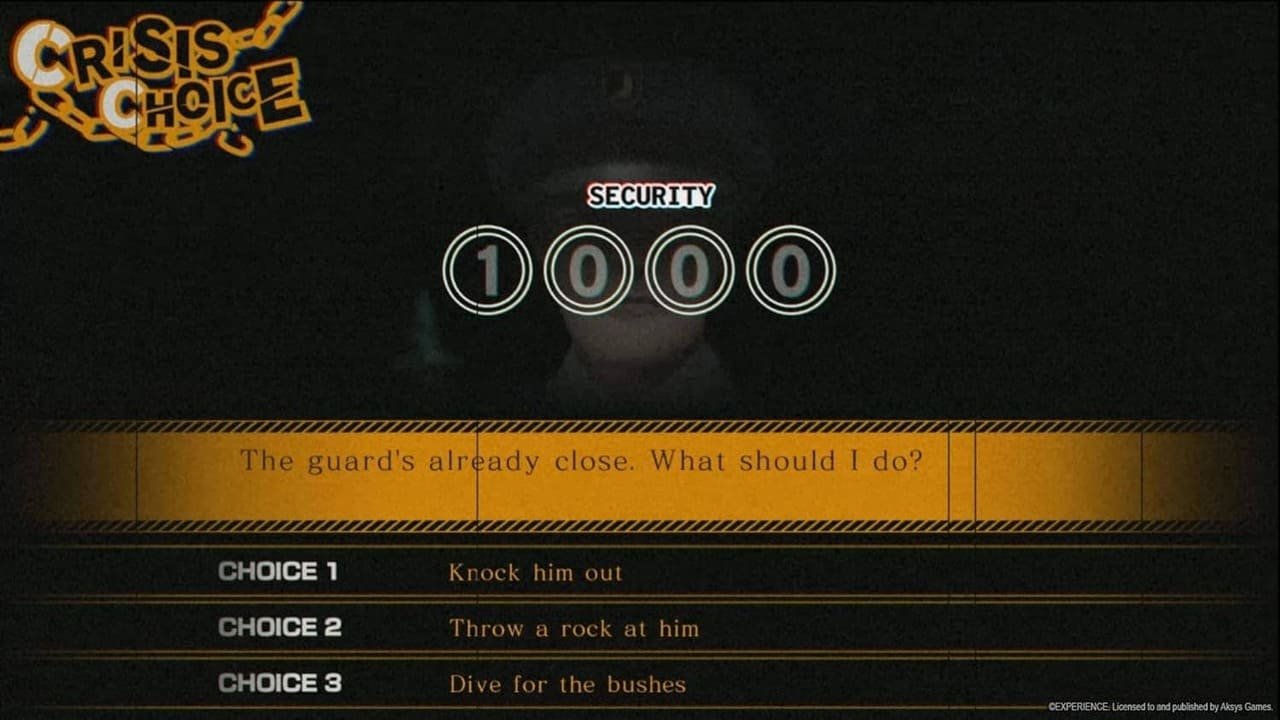
Crisis Choice replaces Death Mark’s Live-or-Die system with a more dynamic approach to high-pressure decisions.
Fear in Broad Daylight
While the gameplay becomes more streamlined, the supernatural storytelling remains every bit as compelling. Experience Inc. once again draws heavily from Japanese urban legends and folklore, creating spirits that are unsettling not simply because of their appearance, but because of the tragic stories surrounding them.
The presentation continues to be one of the series’ greatest strengths. Outstanding creature artwork, haunting music, and memorable visual design give every investigation its own identity, while the more graphic CG artwork pushes the sequel further into supernatural thriller territory than its predecessor.
The optional Scare Mode also reflects that change in direction. Players looking for sudden jump scares will likely appreciate the added intensity, while those who preferred the slower psychological horror of Death Mark can disable it and enjoy a more restrained experience.
Final Verdict
Spirit Hunter: NG succeeds because it understands that a sequel doesn’t have to repeat its predecessor to honor it. Rather than attempting to recreate the slow-burning dread of Death Mark, Experience Inc. embraces a faster supernatural thriller built around refined investigation mechanics, stronger pacing, and memorable spirit encounters.
Some of the deeper investigative elements from the original are inevitably lost in the process, and the heavier emphasis on gore and jump scares won’t resonate with every horror fan. Even so, NG stands confidently beside its predecessor as another excellent adventure that proves the Spirit Hunter series was never intended to tell the same kind of ghost story twice.
Review Summary
Spirit Hunter: NG (Switch)
Spirit Hunter: NG confidently evolves the series into a faster-paced supernatural thriller with memorable urban legends, refined investigations, and outstanding presentation.
While it doesn’t match the investigative depth of Death Mark, its new direction makes it another standout entry in Experience Inc.’s horror series.