

Disclosure: KonNetwork is reader-supported. We use affiliate links to keep ads and tracking scripts off the site. As an Amazon Associate, we earn from qualifying purchases.
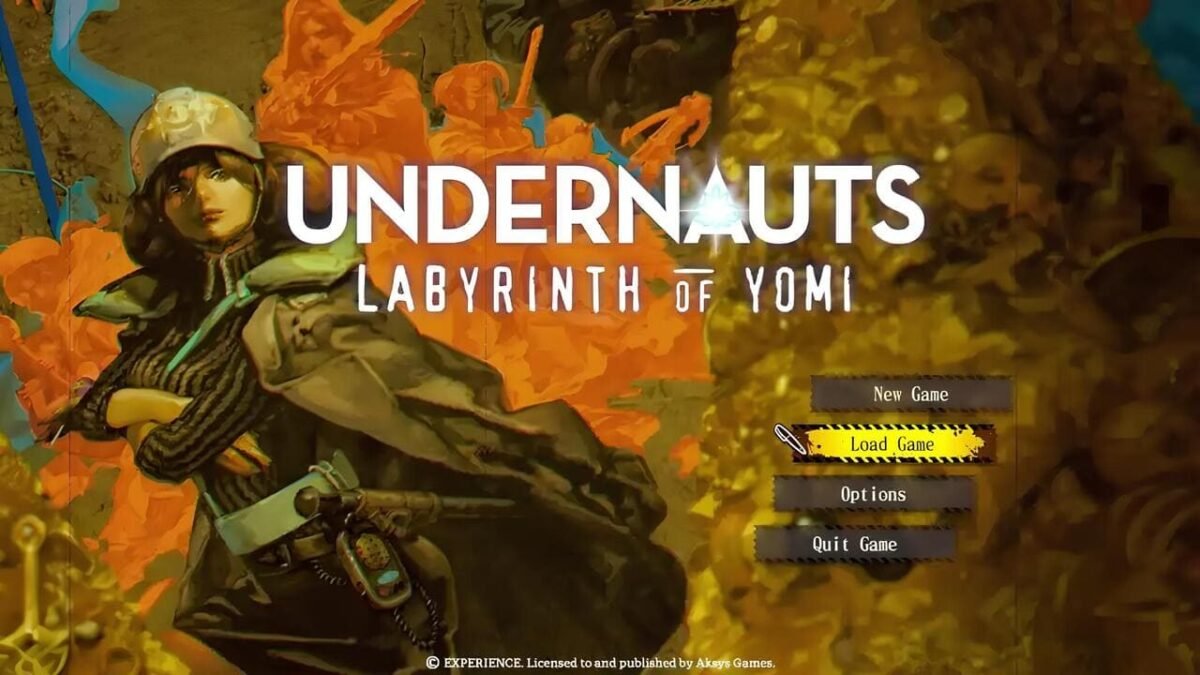
Undernauts: Labyrinth of Yomi proves Experience Inc.’s horror sensibilities are just as effective beneath a dungeon crawler. By blending deep RPG systems with an oppressive atmosphere, it becomes one of the genre’s strongest modern entry points despite occasional pacing issues.
Undernauts: Labyrinth of Yomi At a Glance
Proton
GE-Proton10-3
Completed on
PC
HLTB
50 Hours (Main + Sides)
/ My Time: 51hrs 43min
Into the Labyrinth
Before Undernauts: Labyrinth of Yomi, Experience Inc. had already established itself as one of Japan’s premier dungeon RPG developers through titles such as Stranger of Sword City, while simultaneously expanding into horror adventures with the Spirit Hunter series. Rather than treating those as separate identities, Undernauts deliberately combines the studio’s expertise in first-person dungeon crawling with the oppressive atmosphere, visual direction, and environmental storytelling that defined its horror work.
The project reunited key members of the Spirit Hunter team, including director Motoya Ataka, artists Kazuhiro Oya and Takeshi Nishimura, and composer Naoaki Jinbo. That shared creative DNA is immediately apparent throughout Yomi, where unsettling environments, painterly artwork, and haunting music create a world that feels every bit as oppressive as the studio’s supernatural adventures while remaining unmistakably a dungeon RPG.
Reviewer’s Perspective
Although I had followed Stranger of Sword City for years, Undernauts became my first Experience Inc. dungeon RPG. Having already completed the Spirit Hunter trilogy, I was curious to see how the studio’s horror sensibilities translated into a traditional DRPG. Ironically, it was the soundtrack that finally convinced me to play the game after listening to it on YouTube.
Outside of older Shin Megami Tensei titles such as Soul Hackers and Strange Journey, my experience with dungeon crawlers was relatively limited, making Undernauts an ideal opportunity to explore one of the genre’s most respected developers.
Digging Deeper
Character customization is one of Undernauts‘ greatest strengths. Every party member can be created from scratch, allowing players to choose their names, classes, portraits, and backgrounds before gradually developing them throughout the adventure. Fans of Experience Inc.’s previous work can even recruit portraits from the Spirit Hunter series, making party creation feel surprisingly personal.
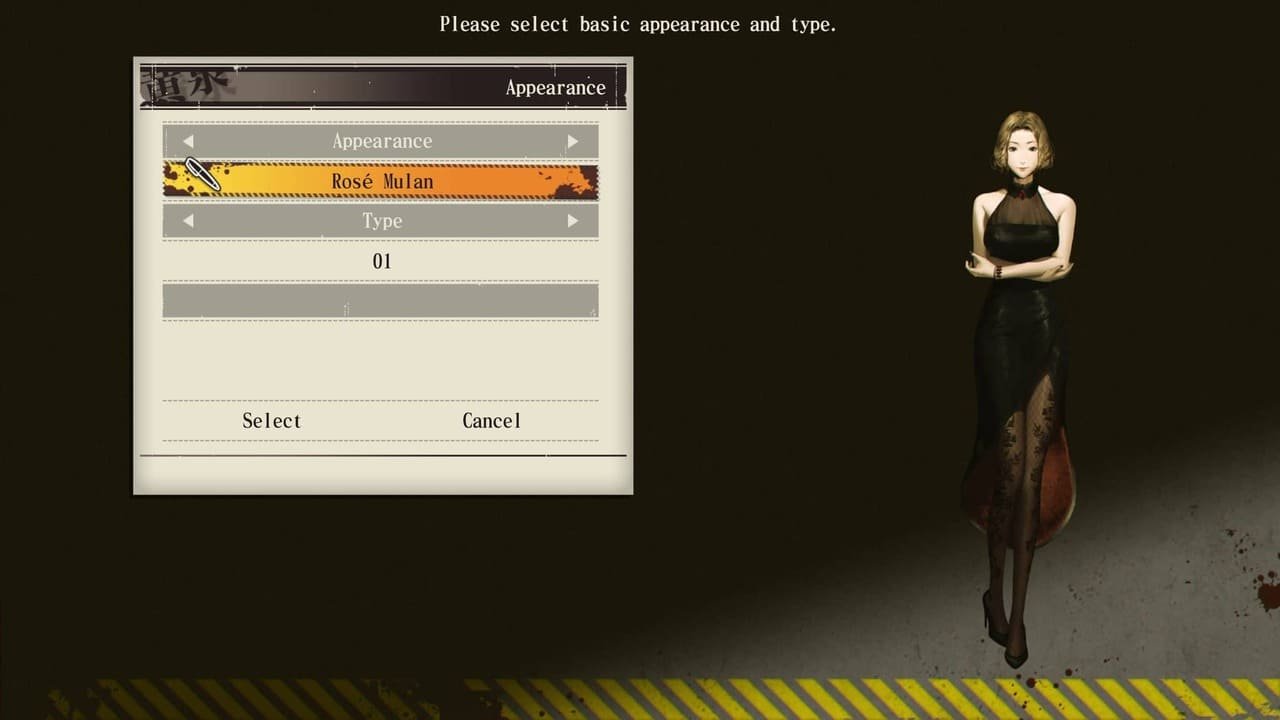
Bringing in your favorite investigators from the Spirit Hunter series makes the party building even better.
The flexibility continues well beyond character creation. Classes can be changed freely, promotions unlock additional abilities, and characters can even be reset without severe penalties, encouraging experimentation rather than punishing it. Combined with the game’s approachable progression systems, Undernauts does an excellent job introducing newcomers to dungeon RPG mechanics without sacrificing strategic depth.
Combat follows the traditional first-person dungeon crawler formula but distinguishes itself through the Switch-Boost system. Choosing between Overcharge, Duracharge, and Neurocharge creates meaningful tactical decisions during every encounter, rewarding players who understand when to push the offensive and when to play more cautiously. Rather than overwhelming players with complexity, the mechanic adds depth while remaining easy to understand.
Beneath the Surface
Beyond its mechanics, Undernauts succeeds because of its atmosphere. The muted color palette, painterly artwork, and oppressive underground environments create a world that immediately reminded me of Shin Megami Tensei IV’s Neo Tokyo while still maintaining an identity entirely its own.
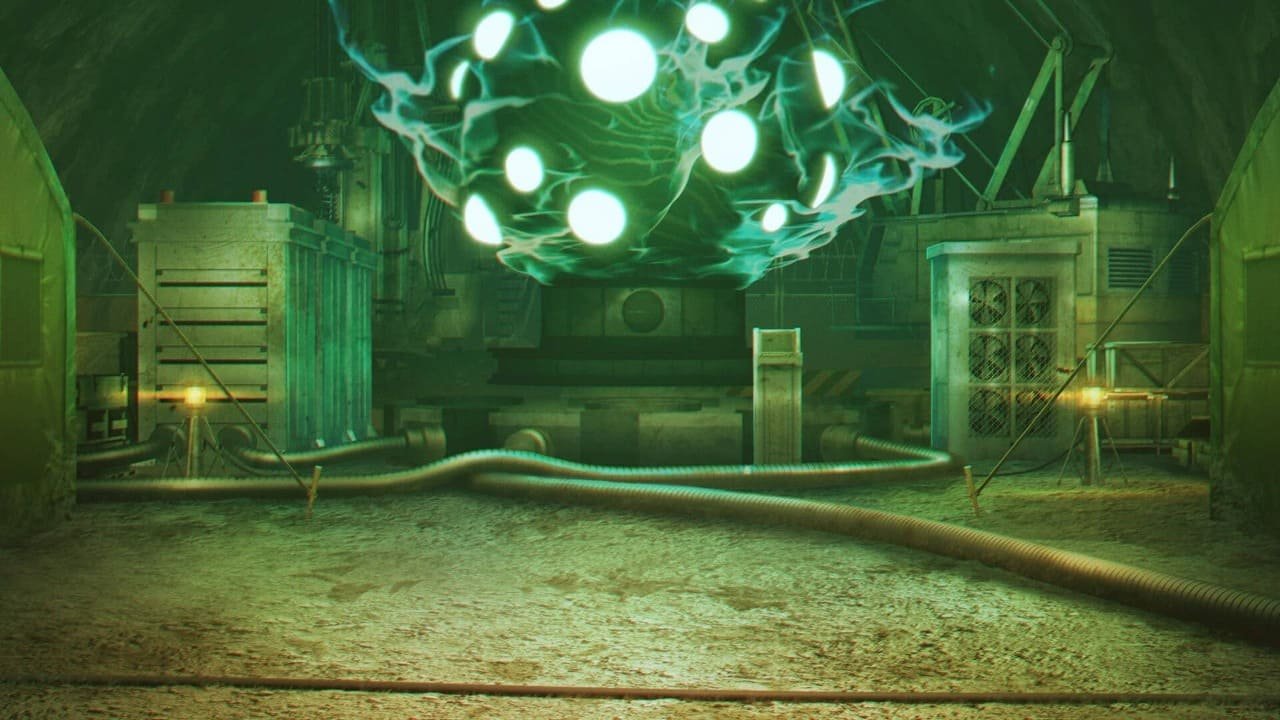
This glow is your only lifeline in the dark.
Enemy designs are equally memorable, striking a balance between grotesque horror and traditional fantasy. Combined with Naoaki Jinbo’s soundtrack, every expedition into Yomi feels tense, rewarding, and appropriately dangerous, reinforcing the sense that survival depends as much on preparation as it does on combat ability.
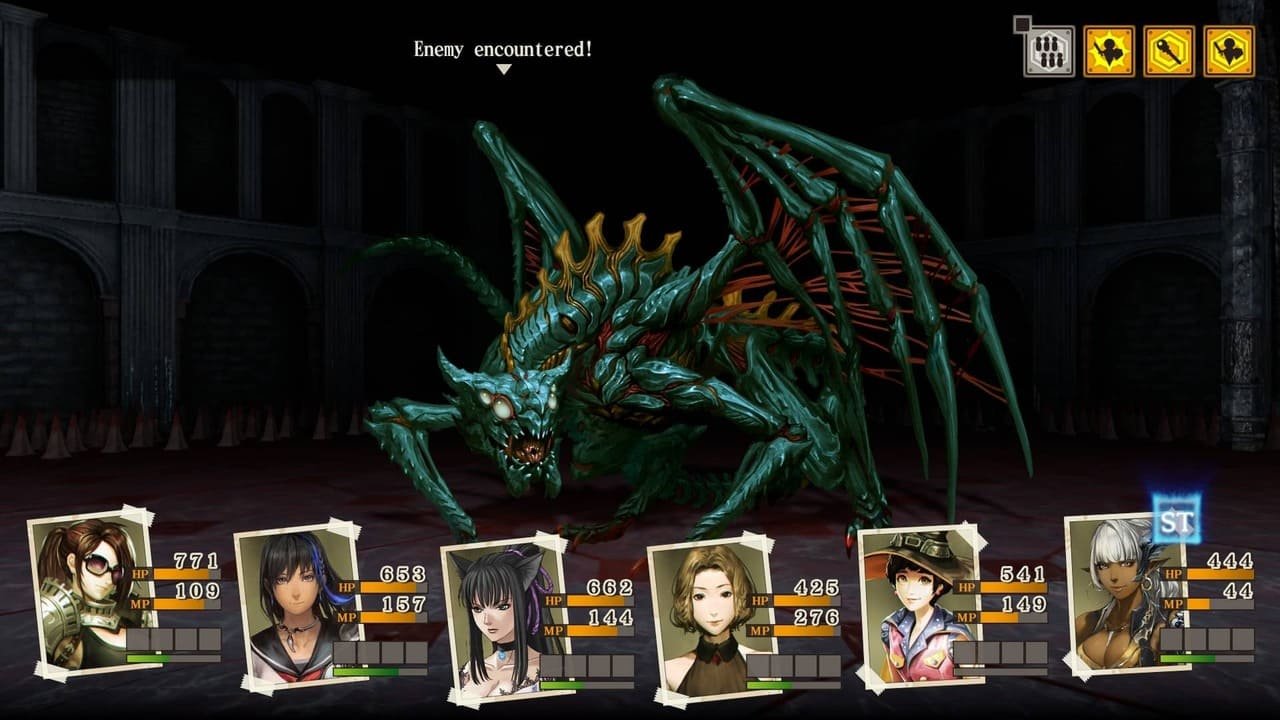
The enemies in Yomi are much more terrifying than what you’ll find on the streets of Kamurocho.
Final Verdict
Undernauts: Labyrinth of Yomi succeeds because it combines Experience Inc.’s greatest strengths into a single package. The studio’s expertise in dungeon crawling provides deep customization and rewarding tactical combat, while the atmosphere, artwork, and music borrow just enough from Spirit Hunter to give Yomi a memorable identity of its own.
Familiar genre conventions and uneven pacing occasionally prevent the adventure from reaching the heights of the very best dungeon RPGs, but those shortcomings are outweighed by exceptional party customization, meaningful progression, and a world that remains consistently rewarding to explore. Whether you’re a longtime DRPG fan or simply looking for an approachable entry point into the genre, Undernauts earns its place among Experience Inc.’s strongest role-playing games.
Review Summary
Undernauts:Labyrinth of Yomi (PC)
Undernauts: Labyrinth of Yomi blends deep dungeon-crawling with Experience Inc.’s signature horror atmosphere, creating an approachable yet rewarding DRPG.
Familiar genre conventions and occasional pacing issues hold it back, but outstanding customization, tactical combat, and atmosphere make it one of the studio’s strongest RPGs.
Tested On
CPU: Ryzen 7 5900X | GPU: Nvidia 3080ti 12GB | RAM: 64GB DDR4 | Storage: Crucial P5 Plus NVMe SSD
OS: Windows 11 x64 | Resolution: 1080p