
Disclosure: KonNetwork is reader-supported. We use affiliate links to keep ads and tracking scripts off the site. As an Amazon Associate, we earn from qualifying purchases.
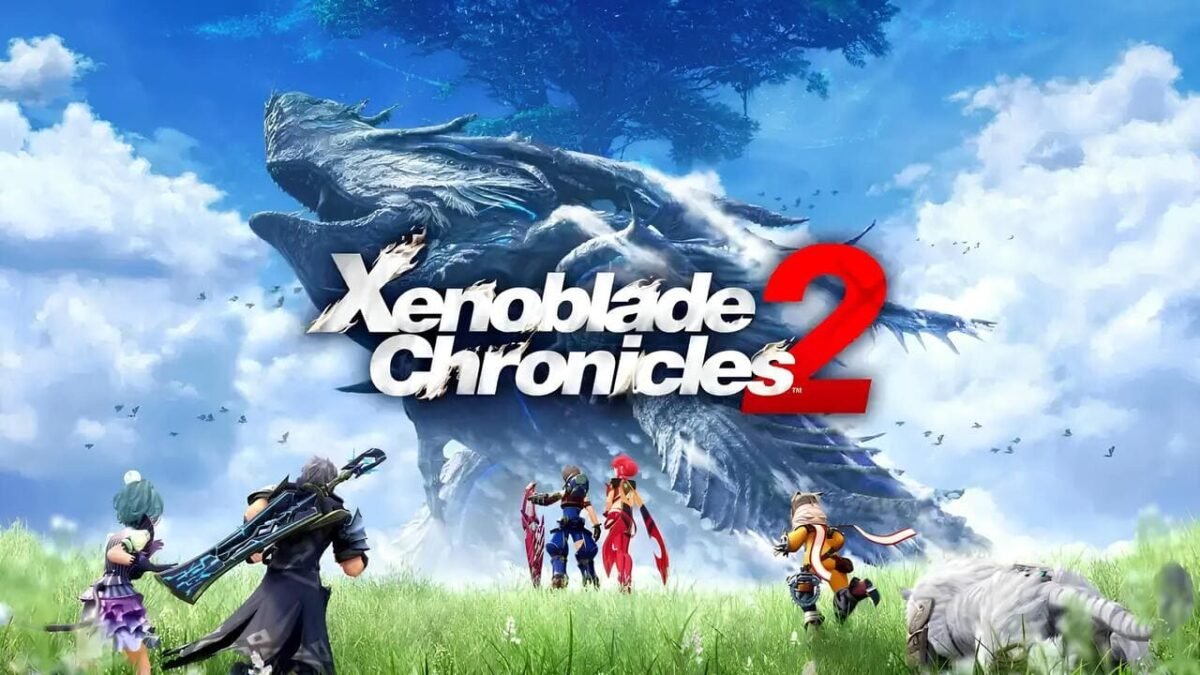
Xenoblade Chronicles 2 asks a lot from its players, but it gives even more in return. Deep combat, memorable characters, and rewarding exploration make it one of the Nintendo Switch’s strongest JRPGs despite a daunting learning curve.
Xenoblade Chronicles 2 At a Glance
Release Date
Dec 1, 2017 (SW)
Jul 30, 2026 (SW2 Digital)
Oct 1, 2026 (SW Physical)
Price
$59.99 MRSP Digital (Switch | Switch 2)
$9.99 MSRP (Upgrade Pack)
$69.99 MSRP (SW2 Physical)
HLTB
62 Hours (Main Story)
/ My Time: 34hrs 32mins
Completed on
Yuzu
/ 2x Movement Speed Mod
Across the Sea of Clouds
Rather than simply following the original Xenoblade Chronicles, Monolith Soft used the Nintendo Switch to significantly expand the series’ scope while redesigning nearly every major gameplay system. Directed once again by Tetsuya Takahashi, the sequel introduced the Blade system, a new cast of characters, and a more anime-inspired visual style that deliberately distinguished it from its predecessor.
That ambition extended beyond gameplay. Character designs by Masatsugu Saito, guest Blade illustrations from artists including Tetsuya Nomura, and a collaborative soundtrack featuring Yasunori Mitsuda, ACE, and Kenji Hiramatsu helped establish Xenoblade Chronicles 2 as one of the Nintendo Switch’s flagship RPGs. Rather than simply repeating what worked before, Monolith Soft set out to create a sequel with its own identity while preserving the philosophical storytelling and world-building that defined the series.
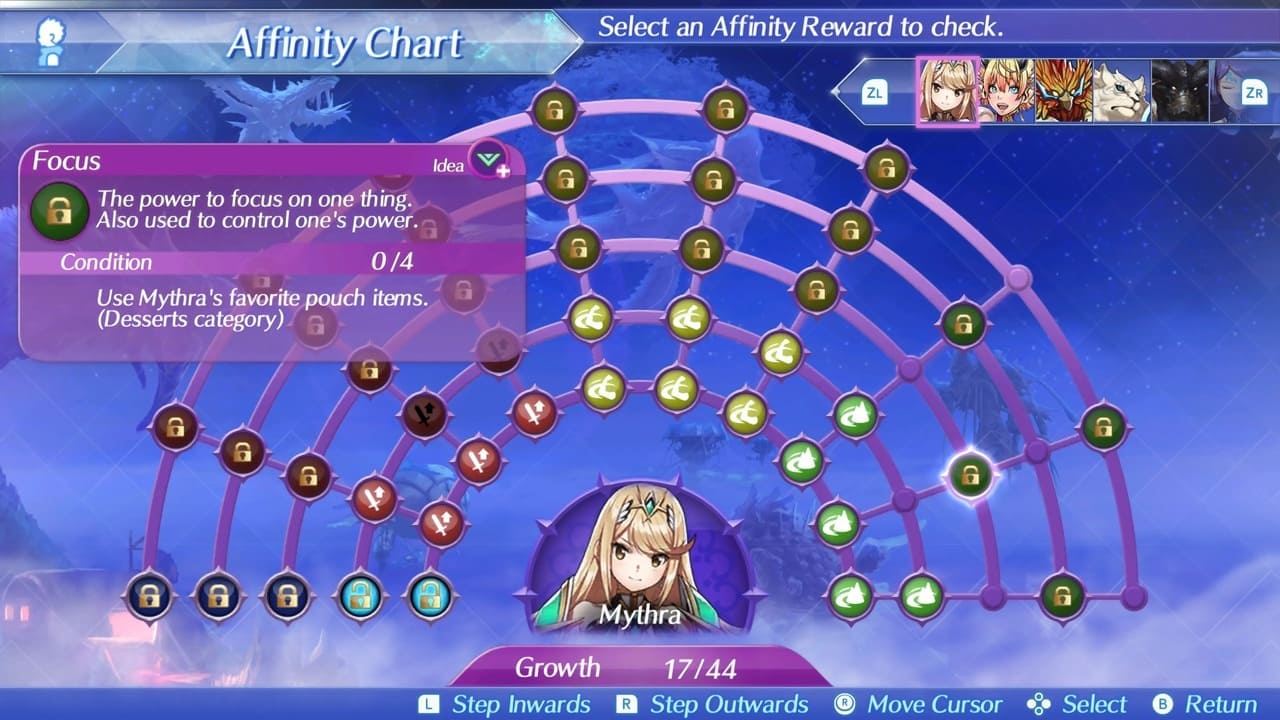
Mythra’s Affinity Ring rewards players who invest time developing their Blades.
Reviewer’s Perspective
My first attempt at Xenoblade Chronicles 2 back in 2020 ended in frustration. Shortly after Mythra joined the party, I found myself overwhelmed by the game’s layered combat systems, while the quest tracker repeatedly sent me in circles because it struggled to account for the world’s vertical design. Eventually, I put the game down.
Everything changed after I decided to experience the series in order. Following completed playthroughs of Xenoblade Chronicles: Definitive Edition and Future Connected, I returned to the sequel with a much stronger understanding of Monolith Soft’s design philosophy. That second attempt transformed what had once been a frustrating experience into one of the most rewarding RPGs I played that year.
Mastering the Blades
The biggest strength of Xenoblade Chronicles 2 is how much freedom it gives players once its systems finally begin to click. The Blade system fundamentally changes combat, allowing party members to swap Blades on the fly, chain elemental attacks together, and create increasingly devastating combos that reward careful planning rather than button mashing.
Exploration benefits from the world’s vertical design as well. Every Titan feels distinct, with hidden paths, layered environments, and optional discoveries encouraging players to venture away from the main objective. Compared to the original game, Alrest feels significantly larger and more interconnected.
The game’s customization systems are equally impressive. Developing Affinity Rings, strengthening Blades, and experimenting with different party compositions provide a satisfying sense of progression throughout the adventure.
Unfortunately, not every mechanic works as well. Blade Mastery requirements frequently interrupt exploration by forcing players to stop and grind specific abilities before progressing. Likewise, the quest tracker often struggles with the world’s elevation changes, making navigation more frustrating than it should be.
The character designs are standout, especially with Tetsuya Nomura contributing some of the art. It has that same memorable look that people loved in Final Fantasy X. The new art style is easy on the eyes and gives the characters way more expression than the previous game.
The Heart of Alrest
Beyond its mechanics, Xenoblade Chronicles 2 succeeds because of its characters and presentation. The emotional journey shared by Rex, Pyra, Mythra, and the rest of the cast gradually becomes the heart of the adventure, rewarding players who remain patient through the deliberately slow opening hours.
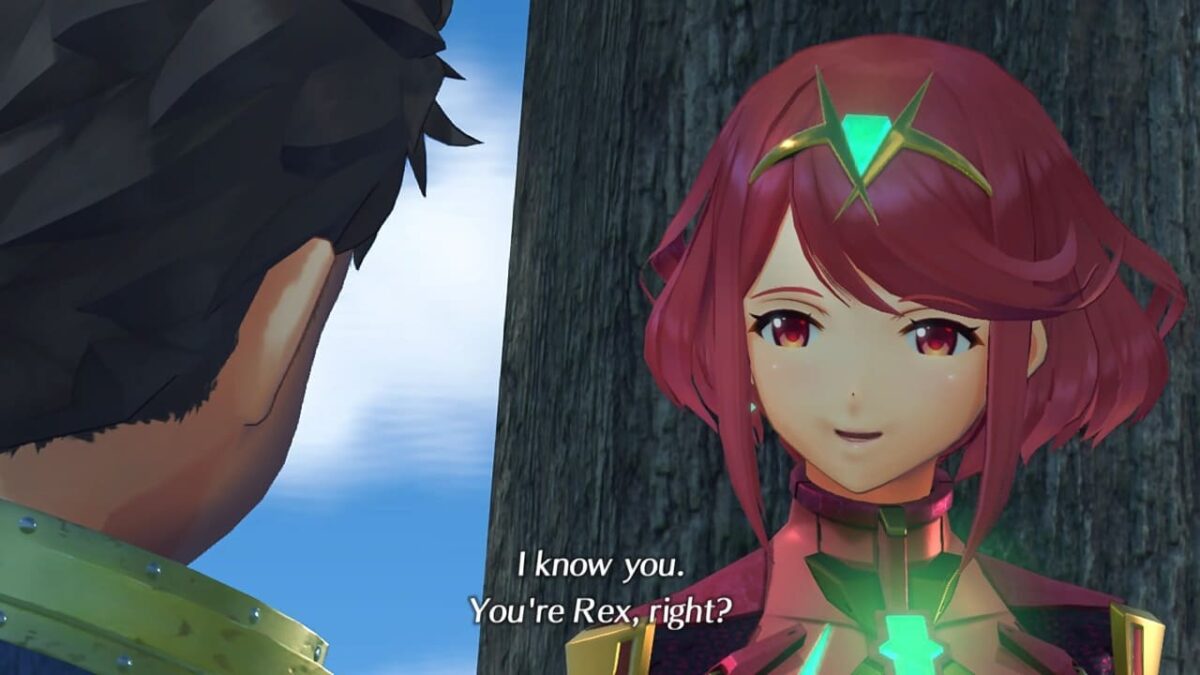
Pyra’s introduction marks the beginning of one of the game’s defining relationships.
The soundtrack deserves particular praise. Contributions from Yasunori Mitsuda, ACE, and Kenji Hiramatsu consistently elevate both intimate character moments and large-scale battles, delivering one of the strongest musical scores in the series.
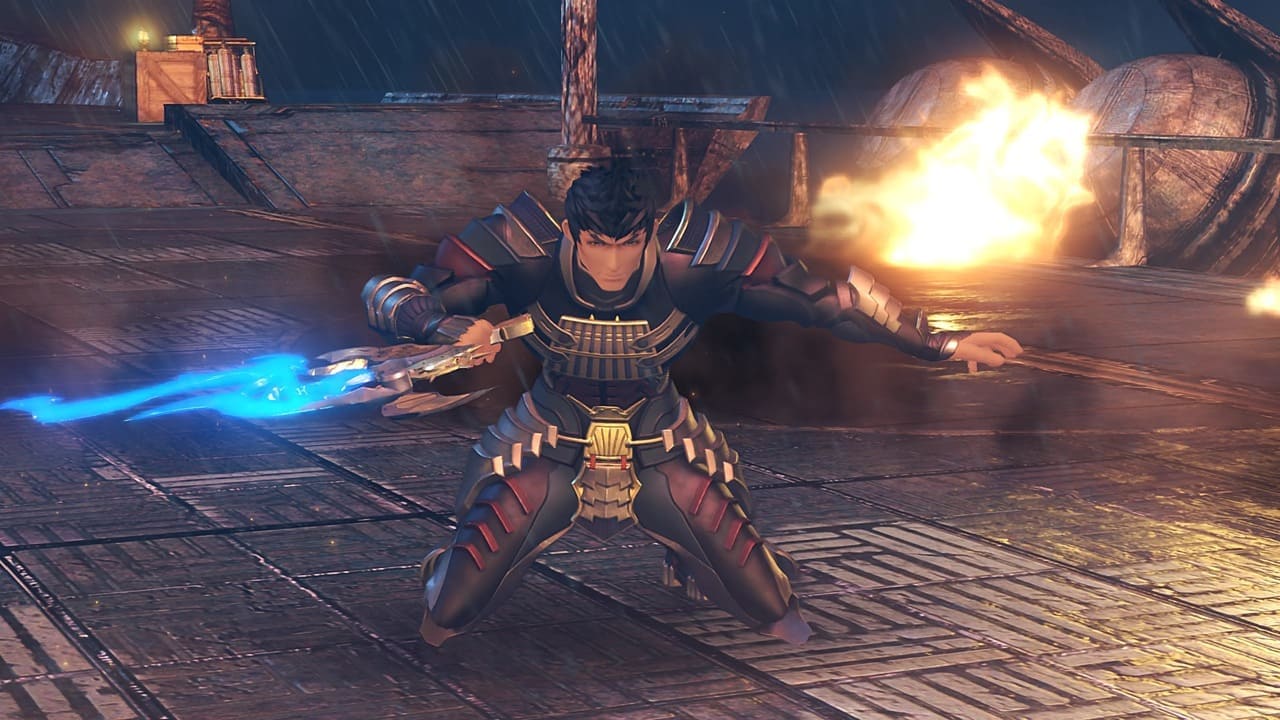
If you want to beat numbah one, you’ll have to survive the dark power of Malos.
While the English voice acting has often been criticized, I actually found its campier delivery surprisingly charming. Combined with expressive character designs, including Blade artwork contributed by Tetsuya Nomura, the presentation gives Alrest an identity that feels distinct from the original Xenoblade Chronicles.
Final Verdict
Xenoblade Chronicles 2 succeeds because it refuses to be a simple follow-up to the original. Monolith Soft replaces familiar mechanics with far more ambitious systems, creating a sequel that rewards patience through deep combat, expansive exploration, and an emotionally satisfying adventure.
That ambition occasionally works against the experience. Confusing tutorials, an unreliable quest tracker, and progression systems tied to Blade Mastery create unnecessary obstacles that can discourage players long before the game’s strengths fully emerge. Once those systems finally click, however, Alrest reveals itself as one of the Nintendo Switch’s richest RPG worlds, supported by exceptional music, memorable characters, and an adventure that comfortably stands beside its predecessor.
Review Summary
Xenoblade Chronicles 2 (Switch)
Xenoblade Chronicles 2 asks players to push through a rough first impression before revealing one of the Nintendo Switch’s richest JRPGs.
Confusing tutorials and uneven progression occasionally frustrate, but they do little to diminish an unforgettable adventure through Alrest.
Tested On
CPU: Ryzen 7 5900X | GPU: RTX 3080 Ti | RAM: 32GB DDR4 | Storage: Crucial P5 Plus NVMe SSD
OS: Windows 11 x64 | Resolution: 1080p