
Many gamers avoid certain genres because they look passive.
My visual novel journey started exactly like that. I had plenty of doubt, but a few specific titles changed how I see the medium forever.
Introduction: From Doubt to Curiosity
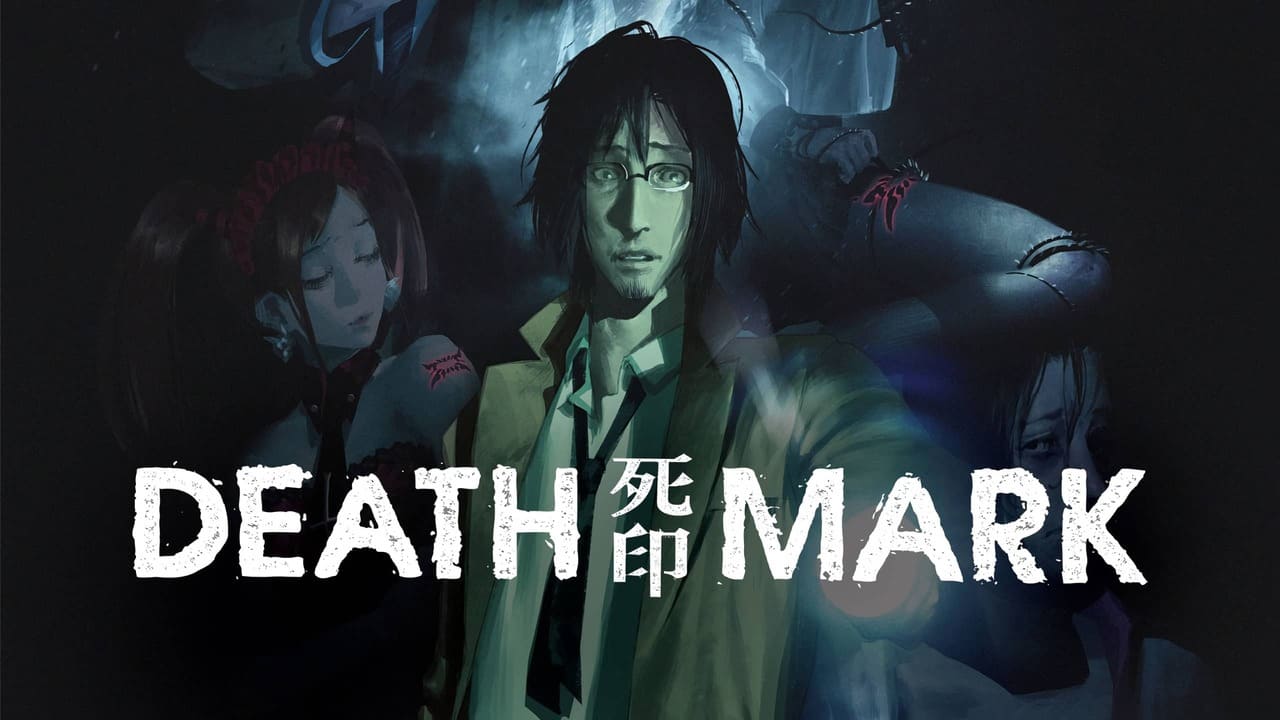
My visual novel journey started with a healthy dose of doubt. I used to be skeptical of visual novels. The idea of reading as the main gameplay did not appeal to me, and I doubted it could hold my attention. That changed after playing the first two entries in the Spirit Hunter series.
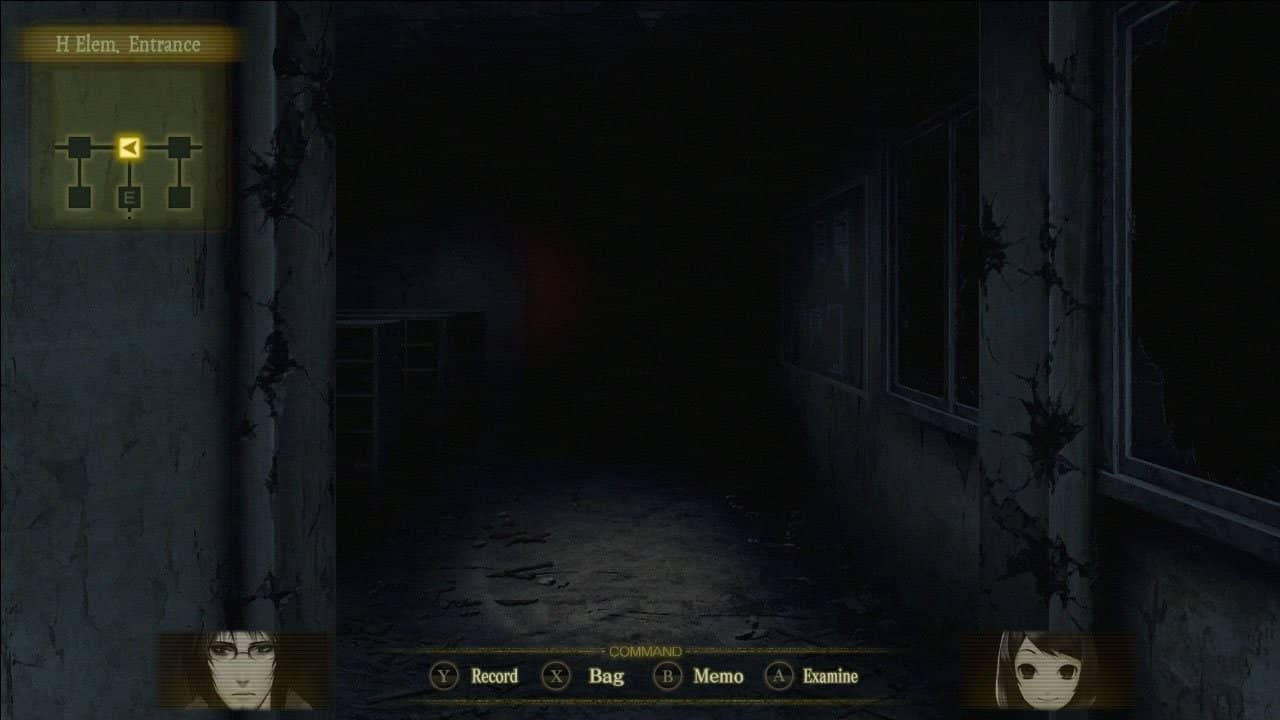
While these titles are basically adventure games, they showed how powerful atmosphere, storytelling, and music can be when the narrative takes center stage. Spirit Hunter: Death Mark helped me see reading as active and atmospheric. It didn’t feel passive at all.
Breaking a decade of habits takes more than one good story. It takes a series of games that force you to rethink what interactivity looks like.
First Impressions: Spirit Hunter & Early ADVs
Spirit Hunter: Death Mark was my gateway into adventure (ADV) games. Its blend of eerie mystery and meaningful choice made the experience feel immersive. Before that, I had tried The Silver Case and its follow-up, The 25th Ward, from Suda 51. Those titles intrigued me with their experimental style, but it was Spirit Hunter that made everything click.
I started to appreciate the quiet power of games that prioritize writing, sound, and tone over traditional mechanics. When the overall presentation is the gameplay, every individual element has to stand out.
Danganronpa & the Kodaka Effect
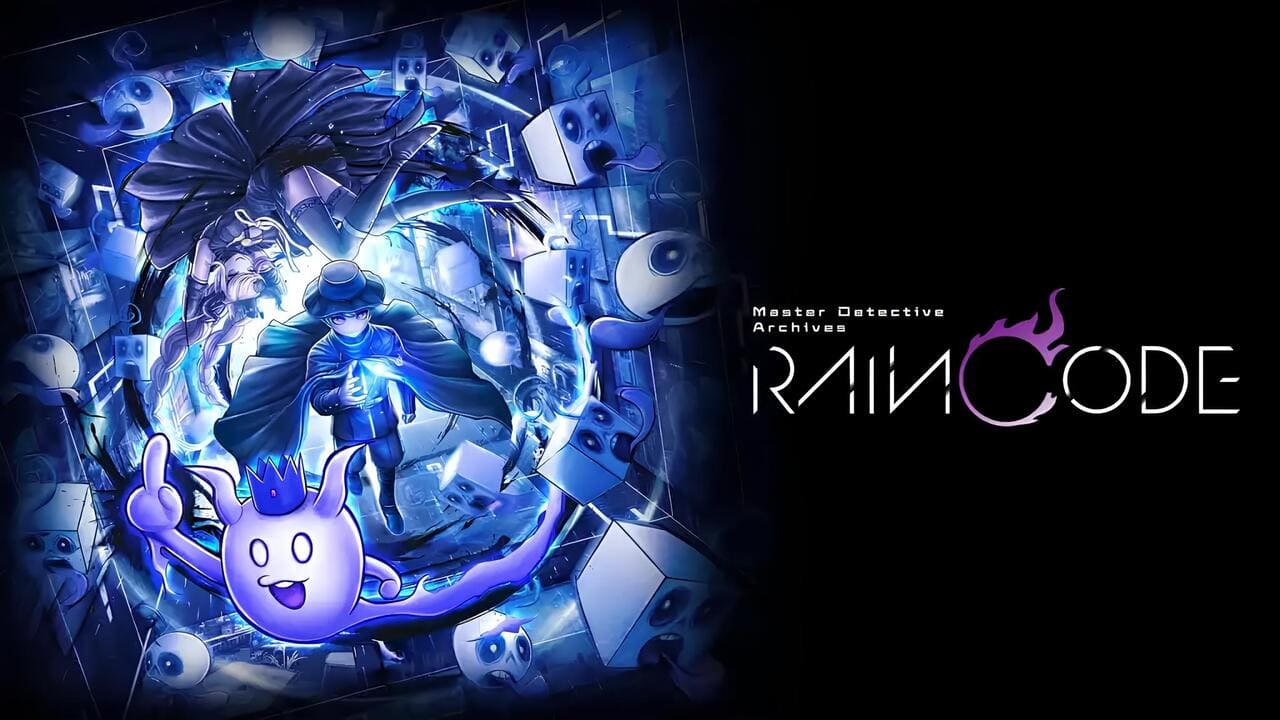
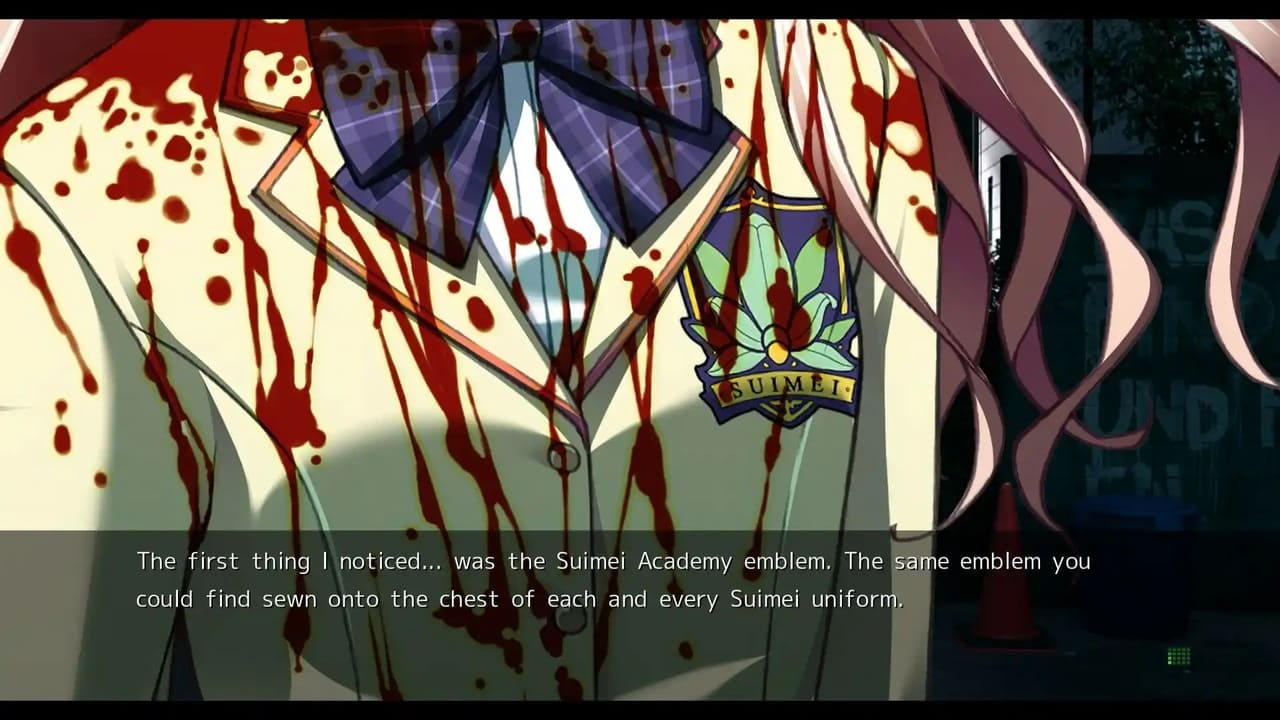
My interest grew with the Danganronpa series. Exploring Kazutaka Kodaka’s work revealed a level of character-driven storytelling I hadn’t seen before. With the announcement of Master Detective Archives: Rain Code, I wanted to track his growth as a writer.
Playing Danganronpa 1 and 2 back-to-back, then jumping into Rain Code, gave me respect for how suspense and dark humor can thrive in this format. Kodaka’s work showed how wild and strange narrative gaming can get.
Chaos;Head Noah: The Knockout Punch
The real turning point came with Chaos;Head Noah. This game changed my expectations for the medium. It blurred the lines between reality, delusion, and horror.
The psychological themes and Takeshi Abo’s haunting score made me feel the protagonist’s paranoia. It was bold and unsettling. It proved that visual novels can use text and sound to create emotional depth that stays with you. If Spirit Hunter was the gateway, Chaos;Head Noah was the knockout punch.
Famicom Detective Club & Science Adventure
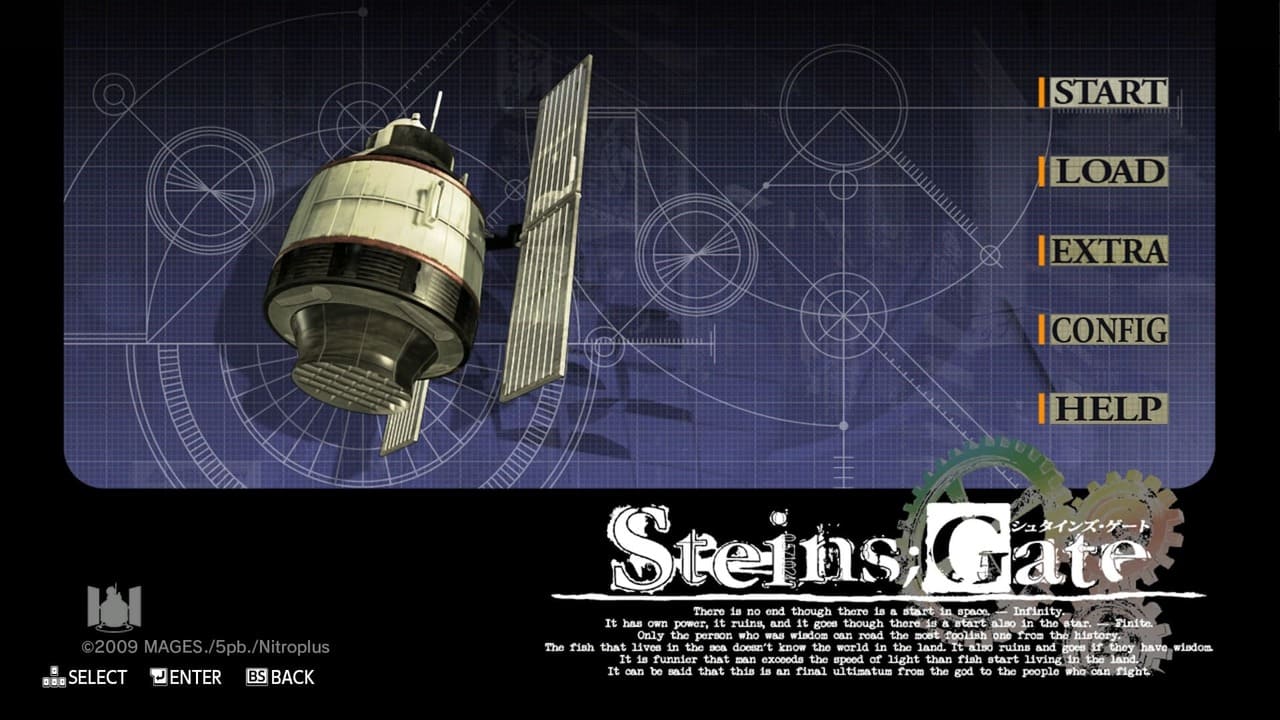
The road didn’t stop there. The Famicom Detective Club remakes drew me into classic ADVs with their tight narratives. After that, I explored the Science Adventure series, including entries like Steins;Gate.
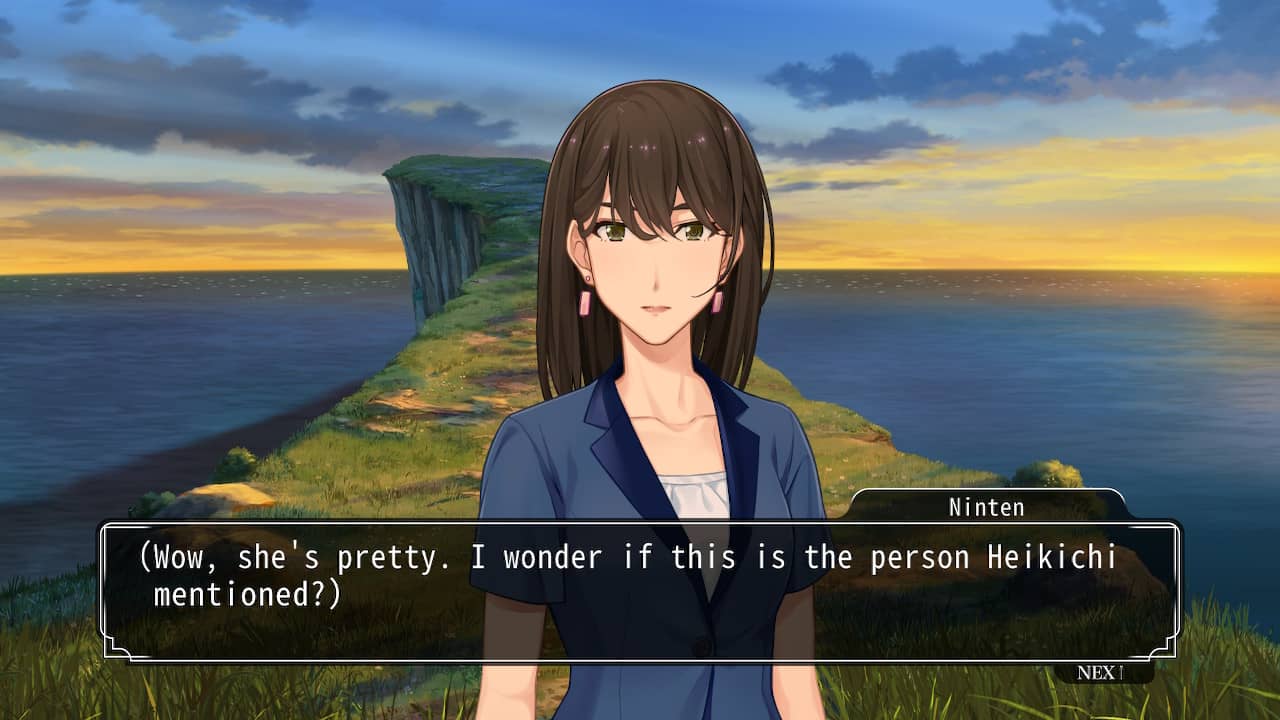
These games blend speculative science and personal drama. They find a balance that is rarely found outside this specific niche.
Conclusion: Why Narrative Games Deserve Respect
This experience taught me something important. Games do not need fast reflexes to be immersive. When done right, visual novels and adventure games create rich experiences.
They give players room to reflect. That is something the industry often overlooks. For gamers who once doubted them, these genres offer an eye-opening shift. They deserve recognition for their artistry and emotional impact.