

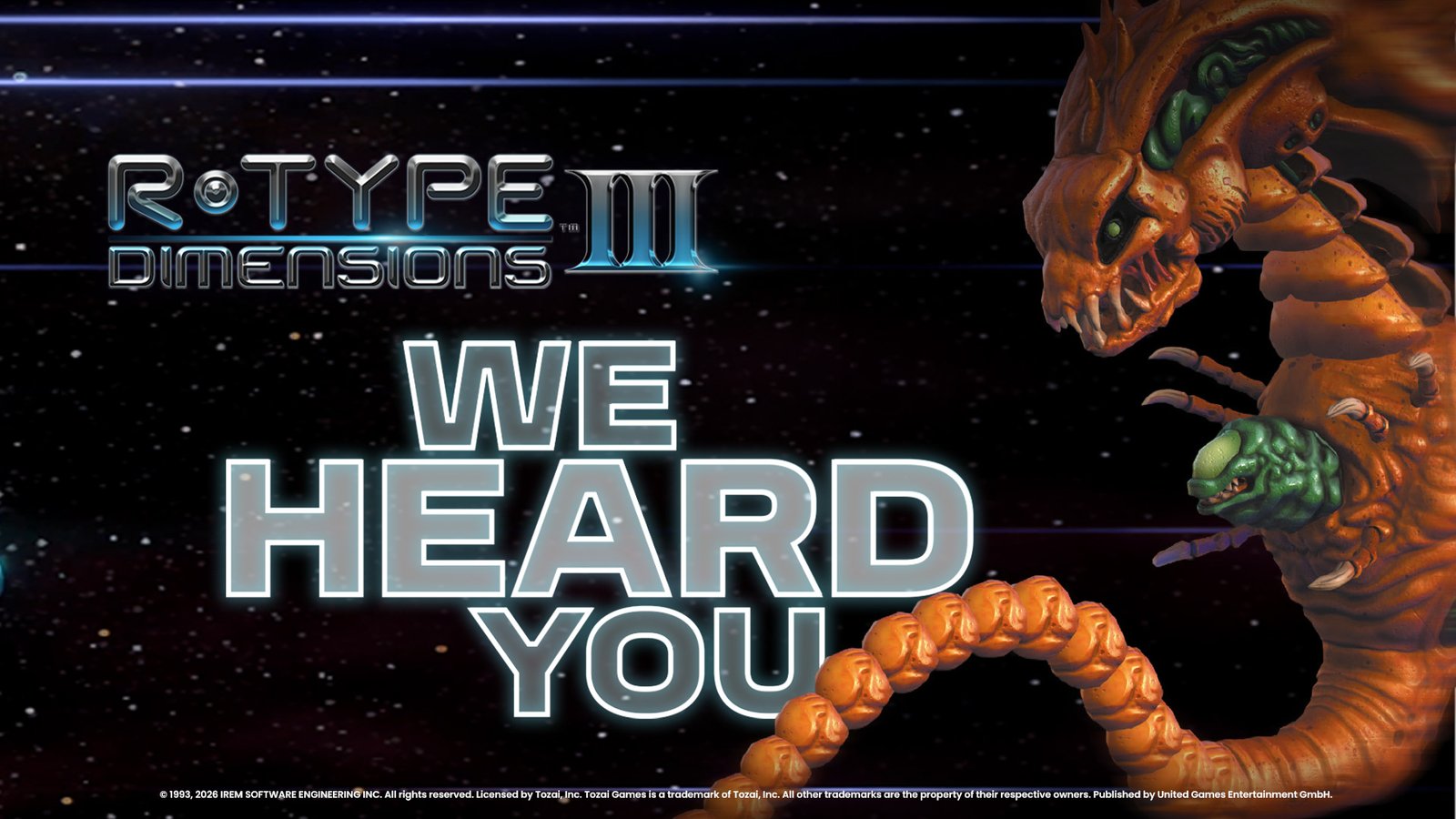
R-Type Dimensions III physical delay plans are officially locked in at ININ Games after the classic shoot-em-up collection ran into immediate turbulence from the hardcore crowd following its May 19 digital debut.
The publisher has halted all disc and cartridge manufacturing, confirming that physical versions will stay on ice until the underlying code actually matches player expectations.
Background & Context
When the digital package dropped late last month, it didn’t take long for the shmup community to spot major problems. If you play high-precision arcade titles, you already know that even a few frames of input latency completely ruins a run. Hardcore players immediately flagged sluggish controls, unstable frame pacing, and a general lack of arcade accuracy.
Because a broken port defeats the entire purpose of celebrating a legacy series, the launch left a sour taste in the mouths of the series’ most dedicated fans. Rather than pushing ahead with retail shipments, ININ is taking ownership of the rough start and putting the brakes on production.
Key Details & The Patch Roadmap
Instead of dropping a hasty hotfix that might break something else, the publisher is spacing out a multi-phase patch schedule across the summer:
- Mid-June: The first update targets early stability and obvious performance bugs.
- Early July: A secondary patch will focus on tighter emulation accuracy.
- Mid-July: A final verification check before the team locks down the gold master build.
The development pipeline is getting an interesting shakeup to make sure these fixes stick. The PC version on Steam is acting as the primary testing ground. Developers will push updates there first, allowing them to iterate quickly based on real-time player data without waiting around for console certification cycles.
ININ is also expanding its internal QA teams and pulling in veteran players, content creators, and regional specialists from Japan to stress-test the builds. The message is clear: if the community doesn’t verify that the gameplay feels right, the patch isn’t done. Consequently, factory lines for the physical release, including the upcoming Nintendo Switch 2 cartridge, are completely frozen until the software meets these standards.
Analysis & Implications
This situation highlights a massive flaw in how modern retro revivals are handled. Publishers routinely rush digital code out the door to meet corporate release schedules, relying on the safety net of day-one patches to clean up the mess later. That approach falls apart when it comes to physical preservation. If a publisher prints a cartridge before fixing the code, that broken launch state is locked into plastic forever, making the physical copy useless to serious collectors.
By forcing a retail delay, ININ is eating the logistical and financial headache of shifting factory schedules to protect the long-term value of the physical release. Using Steam as a rapid-fire QA laboratory is a smart way to bypass console red tape, but the real test is whether the studio can actually translate community feedback into the frame-perfect accuracy this genre demands.