
Our Fatal Frame II: Crimson Butterfly Remake review highlights an entertaining, well-crafted reimagining that handles its source material with care, though it struggles with minor layout friction like indoor camera clipping and vertical audio quirks.
Fatal Frame II Remake At a Glance
Release Date
Mar 11, 2026
Fatal Frame II: Crimson Butterfly Remake Background
Fatal Frame II: Crimson Butterfly Remake launched on March 11, 2026, across PlayStation 5, Xbox Series X/S, Switch 2, and PC. Directors Hidehiko Nakajima and Makoto Shibata helmed the production. This is a total reboot. Shibata confirmed the team engineered the project entirely from scratch using the latest iteration of Koei Tecmo’s proprietary Katana engine software. The goal was simple: modernize a 2003 survival horror benchmark without losing its claustrophobic dread.
Reversing 23 years of design convention, the team stripped out fixed camera angles for a standard over-the-shoulder third-person viewport. This completely changes how you judge distances and spaces in the environment. Terror now stems from your immediate, active navigation choices.
Team Ninja lent technical support to refine Mio’s basic movement logic. She moves fluidly, but she never feels like an agile action hero. The weight is deliberate, maintaining a critical vulnerability when cornered. To ensure the decaying village layout remains hostile, the team intentionally retained heavy film grain filters and damp visual textures.
Acoustic design drives the environmental immersion. Shibata incorporated elements from personal supernatural accounts to map out the spectral vocal recordings. Every phantom entity utilizes a distinct audio layout that warps dynamically based on spatial proximity.
This release actively expands upon the legacy source content. Freshly constructed exploration environments, such as the burial mound, provide historical context regarding the ritual sacrifices. The developers also introduced an active handholding interaction mechanic to visually mirror the psychological codependency between the twin sisters.
The development team for Fatal Frame II: Crimson Butterfly Remake includes:
- Masaki Yokota (Game Design Lead)
- Nioh, Wo Long: Fallen Dynasty
- Makoto Shibata (Director)
- Fatal Frame – Fatal Frame: Mask of the Lunar Eclipse, Deception – Deception III
- Hidehiko Nakajima (Director)
- Fatal Frame: Maiden of Black Water, Wo Long: Fallen Dynasty, Nioh – Nioh 2
- Kaito Sato (Art Director)
- Fatal Frame: Mask of the Lunar Eclipse, Nioh 2, Wo Long: Fallen Dynasty
- Masaru Ueda (Technical Art Lead)
- Fatal Frame III: The Tormented – Fatal Frame: Mask of the Lunar Eclipse, Stranger of Paradise: Final Fantasy Origin, Fire Emblem Warriors: Three Hopes
- Ayako Toyoda (Sound Designer, Music, Sound Director)
- Fatal Frame – Fatal Frame Mask of the Lunar Eclipse
- Fumihiko Yasuda (Producer)
- Nioh – Nioh 3, Ninja Gaiden 3 – Ninja Gaiden 4, Fatal Frame: Maiden of Black Water
- Keisuke Kikuchi (Series Producer)
- Fatal Frame – Fatal Frame: Mask of the Lunar Eclipse, Blue Reflection
Fatal Frame II: Crimson Butterfly Remake Experience
I started the series by playing the original Fatal Frame back in 2021. When Mask of the Lunar Eclipse arrived on Xbox Series X, I picked it up immediately. The 30fps limit on consoles was distracting and made the movement feel sluggish. For this remake, I moved over to my Nobara Linux desktop.
The difference is night and day. Running at a smooth 60fps changes how you react to ghost encounters. I spent 20 hours on my clear run, exploring several of the new side paths and thoroughly testing the new ending requirements.
Fatal Frame II: Crimson Butterfly Remake Impressions
Introduction
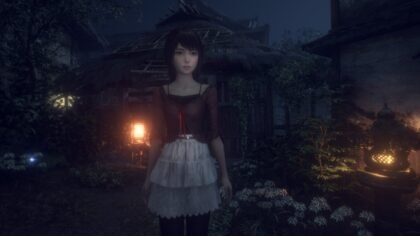
Returning to Minakami Village on modern hardware makes the environment feel instantly threatening. The opening moments dump you straight into the fog, swapping the hardware limitations of the PlayStation 2 era for high-fidelity lighting and dense, suffocating volumetric layers. You step into the shoes of Mio Amakura, chasing her twin sister Mayu deep into the lost settlement.
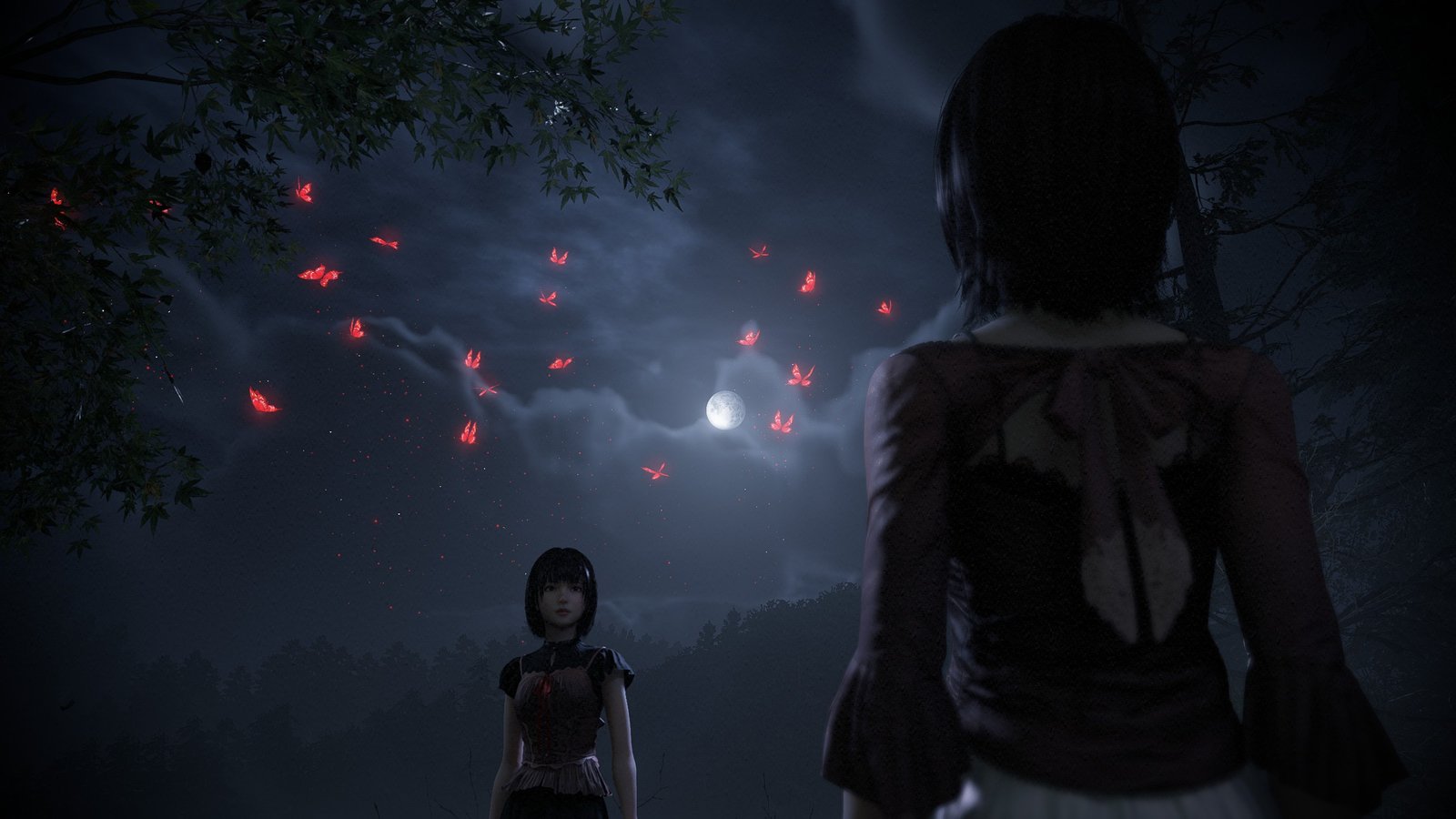
The visual identity fully clicks the moment you pick up the Camera Obscura. The game hands you the tools for survival early. It strips away any illusion of safety, setting expectations for a stressful, highly methodical horror experience.
Gameplay & Mechanics
- Camera Obscura & Enhancements
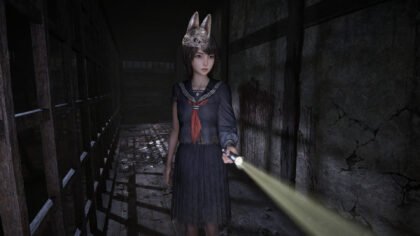
The camera is your primary weapon and investigation tool used to exorcise hostile spirits. The moment you look through the lens, the game forces a restrictive first-person viewport, requiring you to actively pull phantoms into frame before taking their photograph. The remake adds specialized lenses, including new Filters, Focus upgrades, and Zoom capabilities, to vary your combat positioning. - Resources (Film & Willpower)
Survival requires managing offensive and defensive pools. Camera ammunition ranges from plentiful Type-07 to rare, high-damage Zero film; wasting high-grade stock on basic ghosts ruins late-game utility. Defensively, the new Willpower bar acts as a mental health resource that drains from jumpscares or extended viewfinder use. When depleted, Mio limps and loses agility, making combat significantly slower and deadlier. - Fatal Frames
This high-risk timing mechanic acts as your primary damage multiplier. You snap a photo right before a ghost attacks, which deals massive damage and allows for rapid combo shots to clear out multiple enemies.
Environmental Puzzles
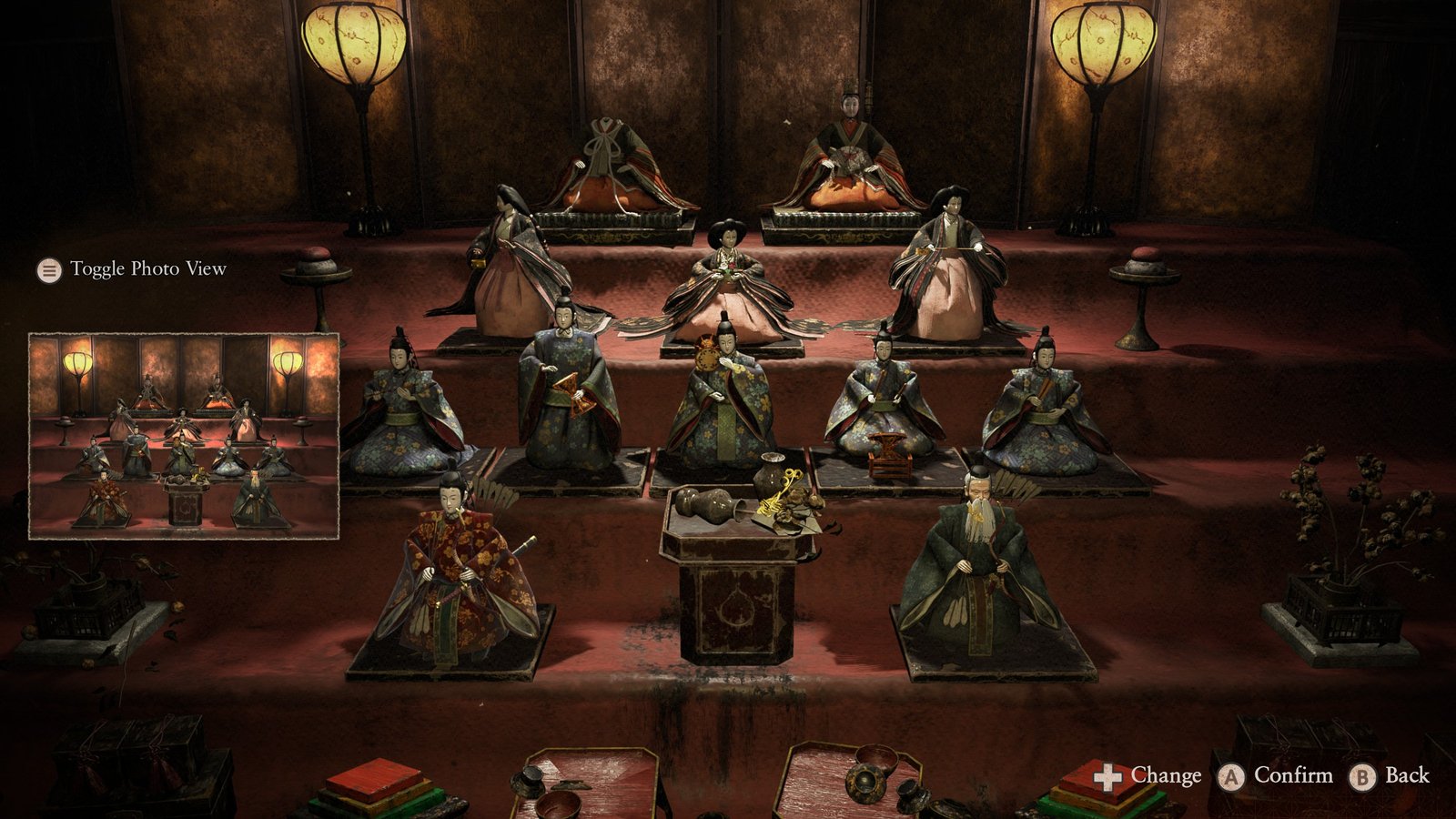
Progression blocks retain classic survival horror logic. Advancing requires you to find specific keys, solve dial combinations, and photograph sealed doors to reveal clues hidden directly in the environment.
Spirit Orbs & Radio
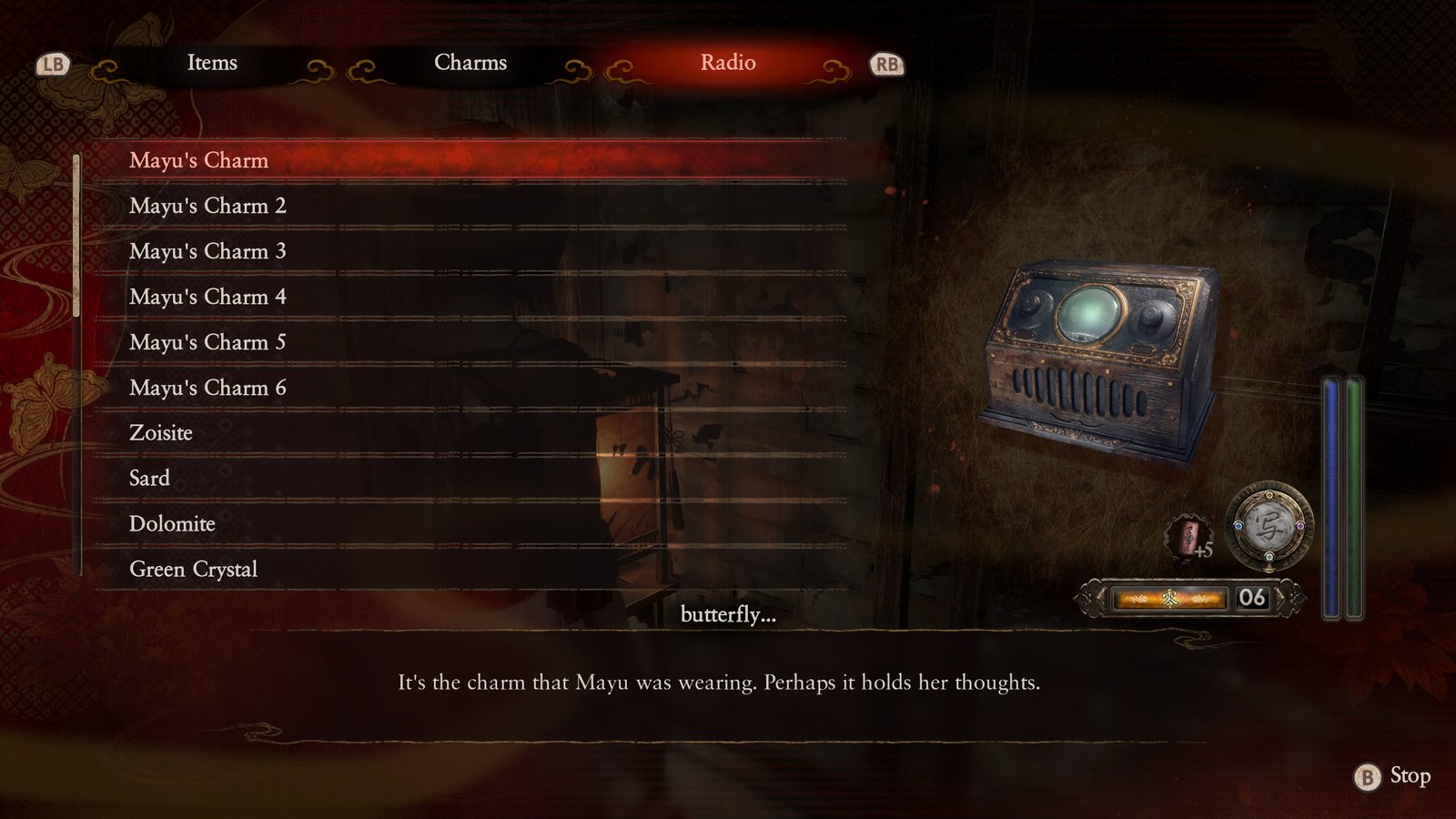
Upgrades and narrative context rely on distinct mechanics. Spirit Orbs act as currency to boost the camera’s range and speed, while the Spirit Radio plays back the final thoughts of past victims to provide hints for upcoming environmental hazards.
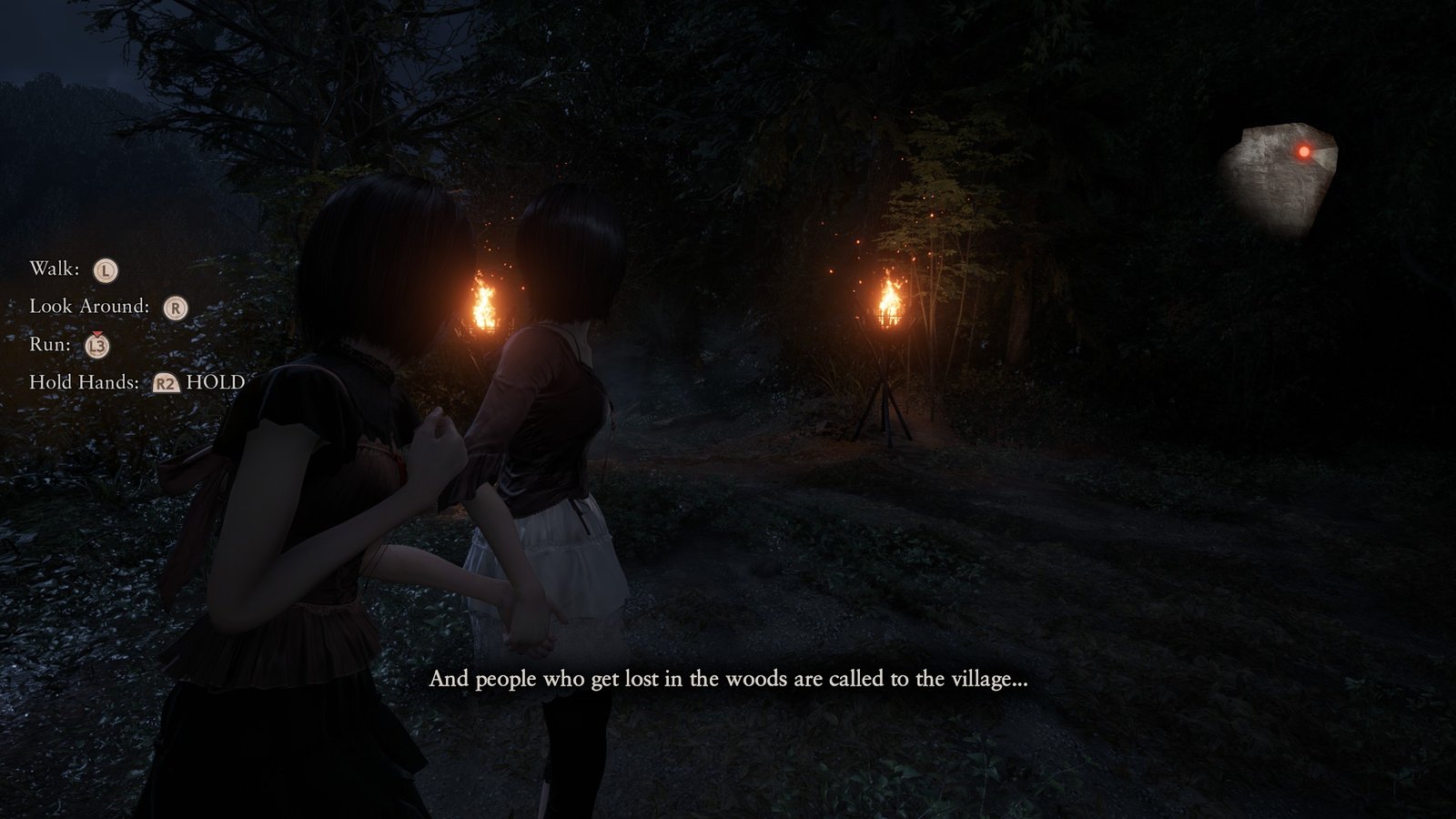
Handholding
A new mechanical state allows you to pair directly with Mayu. It triggers unique dialogue scenes during exploration while offering an alternative resource loop to slowly restore health and spirit power.
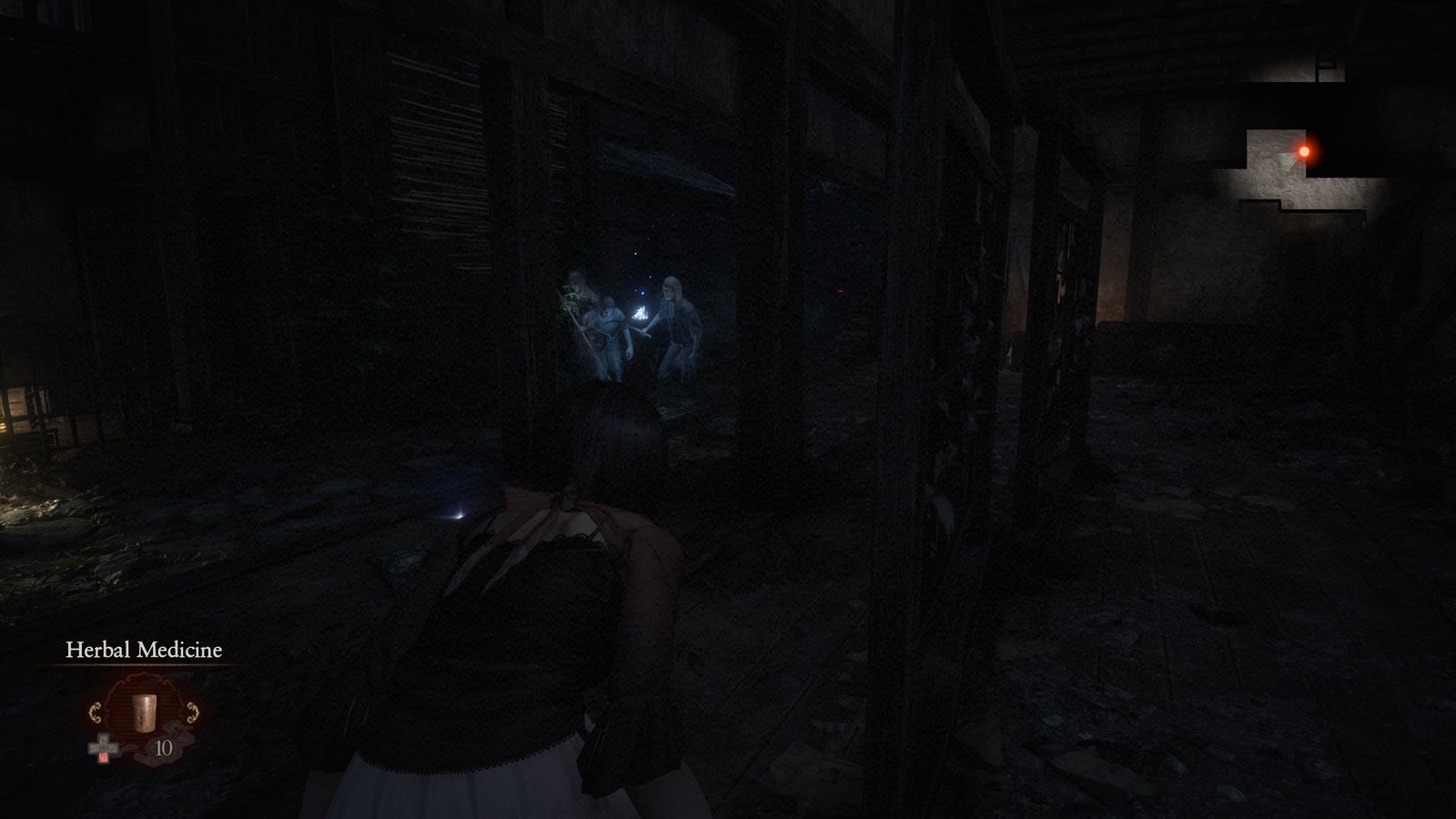
Stealth
A newly implemented evasion system used to quietly bypass specific wandering spirits. Crouching behind broken architecture and timing your movement path saves high-grade film for mandatory boss encounters.
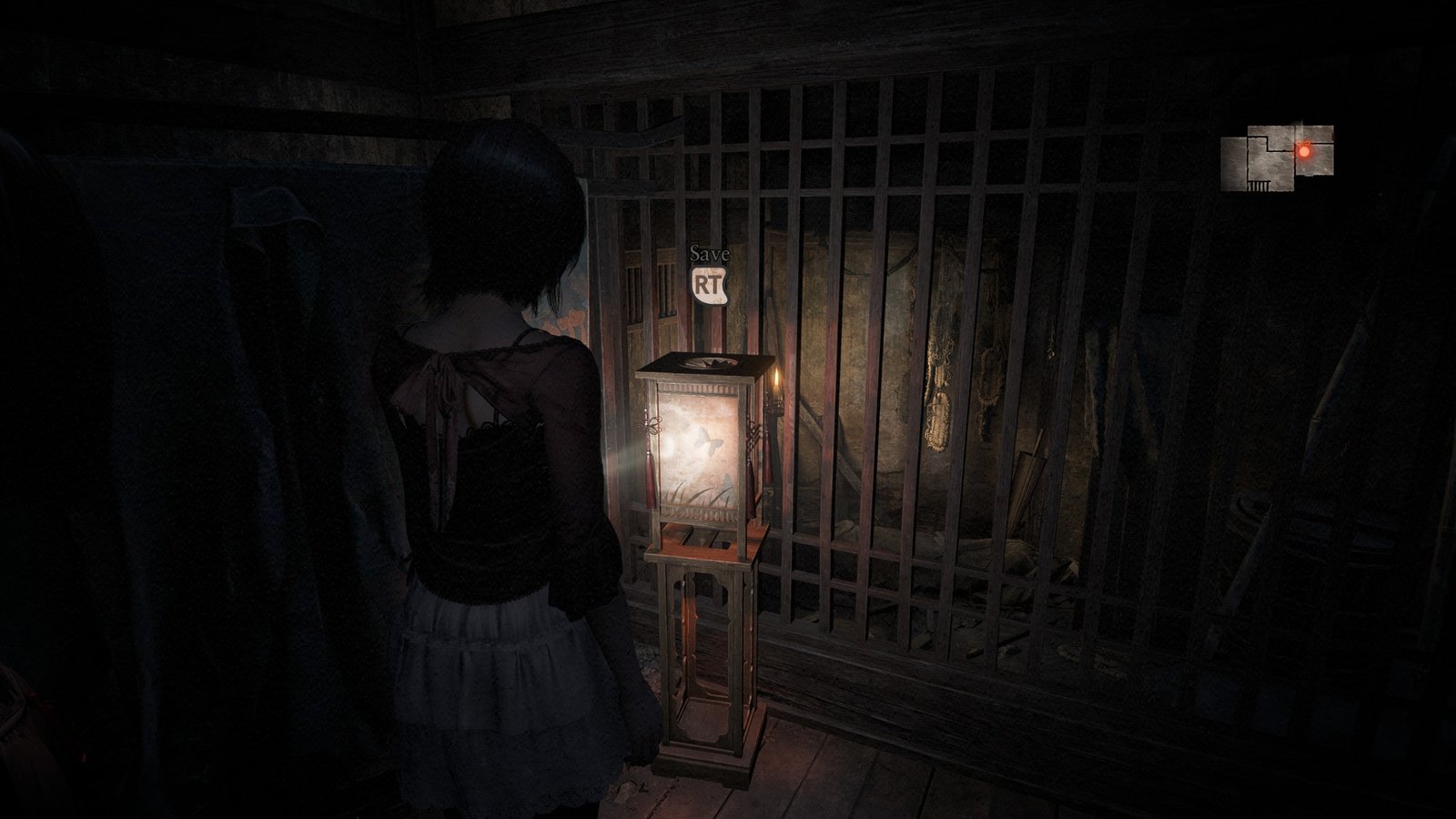
Save Lanterns
Glowing red lanterns scattered across the map act as manual save points. These are your only hard safe zones, temporarily breaking phantom tracking loops so you can regroup and log progress.
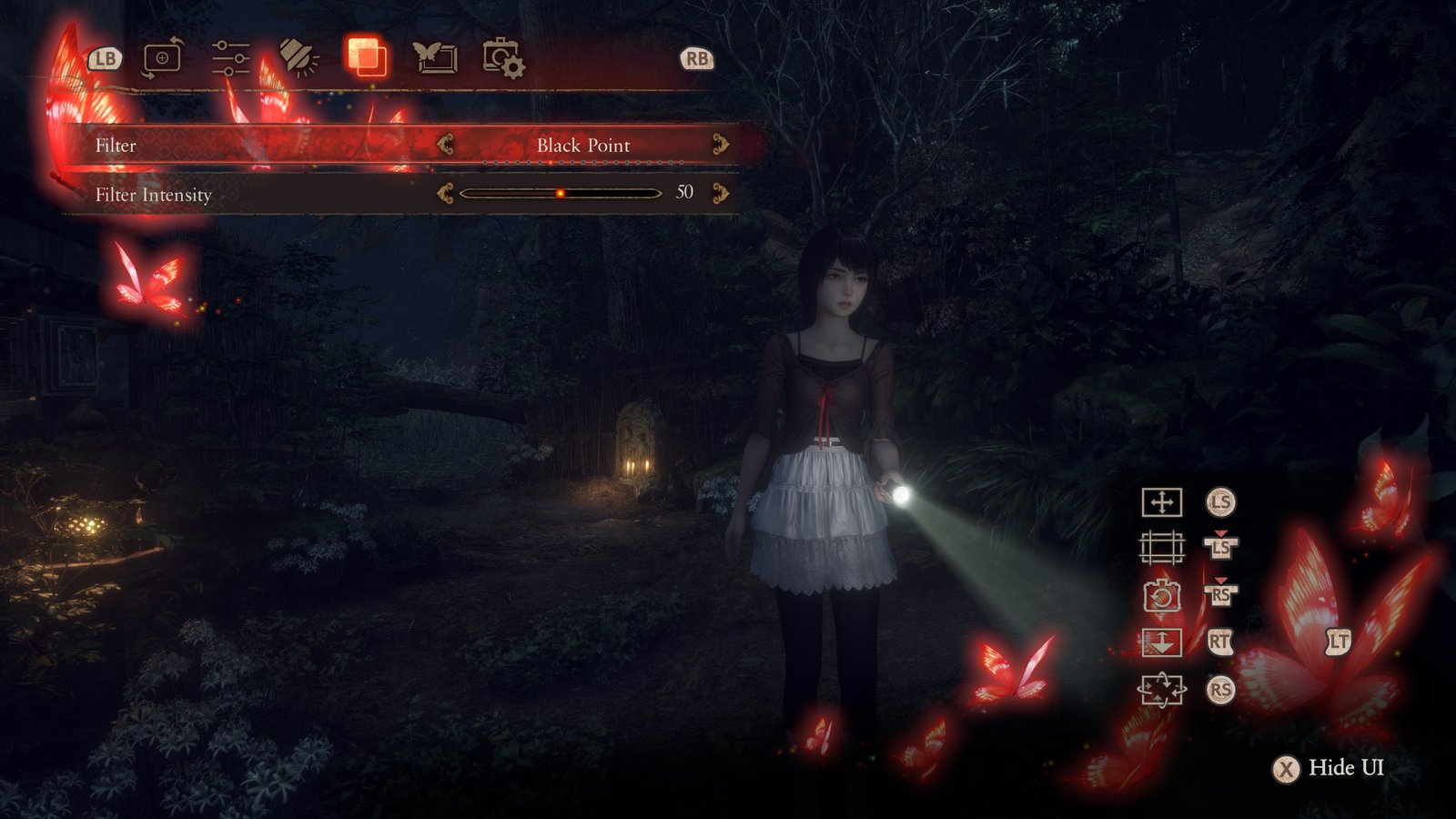
Photo Mode
When you need a break from the tension, the built-in snapshot tool lets you freeze the action to apply filters or adjust frames.
Expanded Exploration
The village layout features freshly constructed environments. You can now explore previously inaccessible zones like the burial mound mentioned in the legacy lore, introducing new side stories that expand the history of the cursed village.
New “Utsushie” Ending
A completely fresh conclusion added alongside the original PlayStation 2 finales and the Xbox “Director’s Cut” endings.
Art & Audio
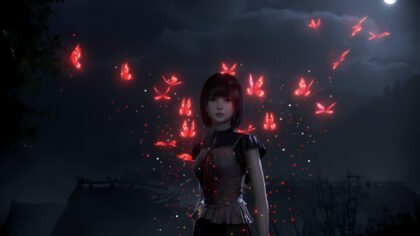
Visual modernization fundamentally reshapes Minakami Village. The Katana engine treats the endless night as an active gameplay hazard, using dense volumetric fog layers to choke narrow pathways. Kimono fabric physics respond accurately to movement, twisting and dragging through waterlogged grass as Mio walks. Distorted room layouts scale cleanly at high resolutions, casting sharp shadows from household lanterns that constantly catch your eye.
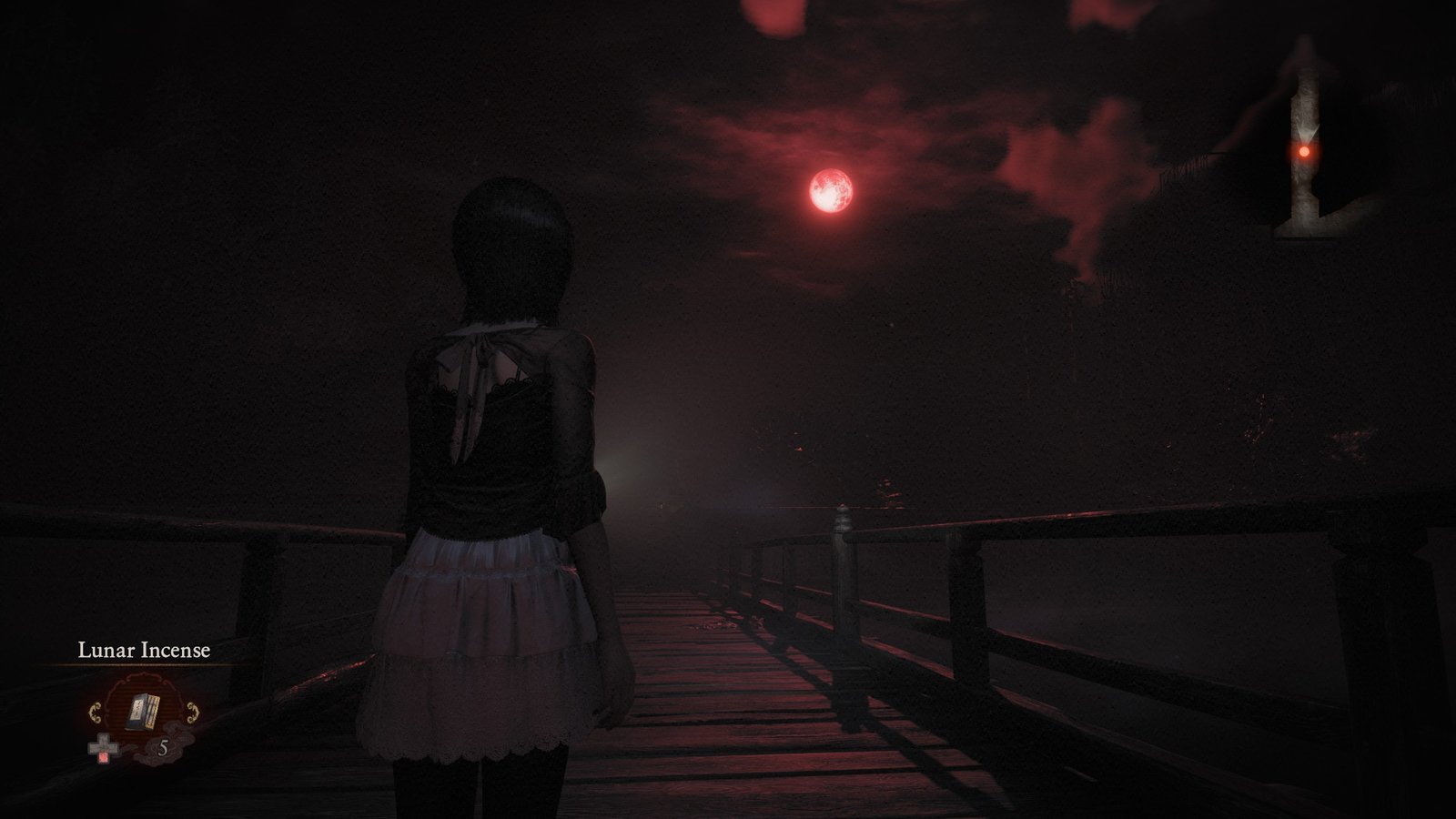
The sound design drives the tension. Accurate directional audio lets you pinpoint approaching ghosts before they physically manifest through solid walls. You can track their distorted moans across directional floorboards, forcing a heavy reliance on audio cues when navigating pitch-black residential layouts.
Standout tracks:
Tachibana House Tatami Lounge
A localized environmental theme using minimal, unsettling string plucks. Subdued interior creaks simulate a rotting layout to heighten exploration tension.
Minakami Village Crimson Moon
A haunting outdoor track blending low acoustic drones with sudden industrial distortions. The arrangement underscores the supernatural weight of the desolate settlement.
“Kurenai” (Remake Ver.)
This updated vocal theme incorporates rich acoustic layering and modernized percussion. The composition elevates the emotional weight of the tragic climax without disrupting the core melody.
Seiyuu Performances
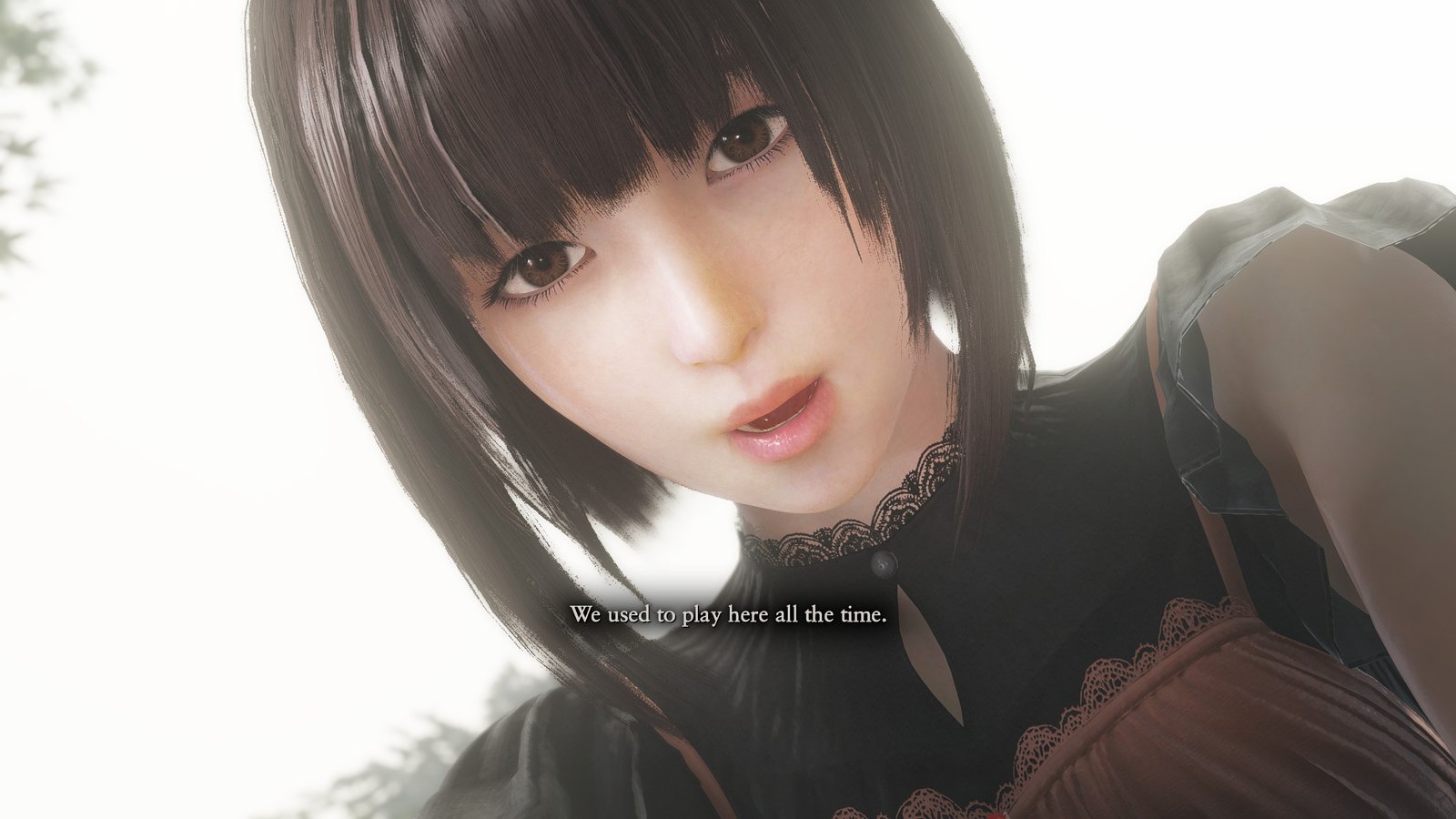
The voice work is excellent. Yui Kondo captures Mio’s desperation perfectly, conveying a raw, mounting panic during tense combat encounters. Having Ayako Kawasumi return as Sae Kurosawa provides a fantastic historical link directly to the roots of the franchise.
- Yui Kondo (Mio Amakura): Biwa Hayahide (Umamusume: Pretty Derby)
- Haruka Shiraishi (Mayu Amakura): Kyoshika Magadori, (The Hundred Line: Last Defense Academy), Grace Howard (Zenless Zone Zero), Last Rite (Arknights: Endfield)
- Takeo Otsuka (Itsuki Tachibana): Aqua Hoshino, (Oshi No Ko), Kyo (Granblue Fantasy), Garyu Shisendo (Inazuma Eleven)
- Ayako Kawasumi (Sae Kurosawa): Saber (Fate), Atoli (.hack//), Angie Thompson (Trauma Center)
Fatal Frame II: Crimson Butterfly Remake Linux Performance
Testing on Nobara Linux via Proton GE-10.2 at native 1440p presents a highly responsive combat experience, though the underlying telemetry logs tell a complex optimization story. While raw metrics capture deep 0.1% minimum drops during intense ghost encounters, direct observation tells a different story.
When chaotic engagements trigger multi-target Triple Shots or rapid Fatal Frame combo flashes, the rendering engine handles the heavy alpha-transparent shader arrays cleanly. The title maintains its target pacing without turning encounters into a sluggish battle against input delay. The dramatic dips logged by external performance profiling software appear to be a presentation hooking mismatch between Koei Tecmo’s internal frame-limiting logic and VKD3D-Proton rather than an actual physical bottleneck.
Memory allocation remains completely stable. The Katana engine relies on an aggressive, static caching profile that immediately locks down roughly 11.1 GB of system RAM and 8.7 GB of VRAM. This uniform allocation avoids progressive leaking entirely, ensuring extended exploration stretches through Minakami Village remain uniform. If you are running a high-refresh display container, the execution layer handles presentation beautifully, letting you focus entirely on the precision needed to land critical shutter timings.
Fatal Frame II: Crimson Butterfly Remake Review Verdict
The Fatal Frame II remake is a great example of how to handle a classic redo with genuine care. Team Ninja and Koei Tecmo successfully pull off the over-the-shoulder perspective shift, tracking the camera smoothly without breaking the slow, deliberate pace that makes the original work. The new Willpower meter and crouching stealth mechanics are solid additions, adding real tactical tension and forcing you to actually care about your positioning and resources. Plus, the new areas like the burial mound and shrine locations enrich the lore nicely, fleshing out the village with the kind of structural care you want to see in a modern reimagining.
The only real friction comes from the layout of the houses rather than the engine itself. While combat stays fluid and responsive, the cramped hallway geometry can still trigger occasional camera clipping when you are backed into a tight corner, briefly hiding incoming ghosts behind walls. But the sheer effort here deserves praise. By treating the original game with massive respect while building smart modern systems, and pricing it reasonably at $49.99 instead of the usual $70 premium, the team has delivered an entertaining, well-crafted survival horror experience that is well worth your time.
Fatal Frame II: Crimson Butterfly Remake TLDR
Fatal Frame II: Crimson Butterfly Remake (Linux)
Fatal Frame II: Crimson Butterfly Remake delivers a well-crafted and highly entertaining reimagining of the classic survival horror formula.
While the new over-the-shoulder perspective shift and smart survival systems make for a fun, tense experience, minor layout friction like indoor camera clipping and vertical audio quirks keep it from truly standing out as a genre leader.
Tested On
CPU: Ryzen 7 5900X | GPU: AMD RX 9070XT 16GB | RAM: 64GB DDR4 | Storage: Crucial P5 Plus NVMe SSD
OS: Nobara Linux | Resolution: 1440p | Settings: High/Custom | Framerate: 60 (in-game)
Fatal Frame II: Crimson Butterfly Remake Review References
Interviews
- Xbox, Reframed: How the Fatal Frame II Remake Scared Its Way Through Development | 12 March 2026
[Live | Archive]
Music