
Disclosure: KonNetwork is reader-supported. We use affiliate links to keep ads and tracking scripts off the site. As an Amazon Associate, we earn from qualifying purchases.
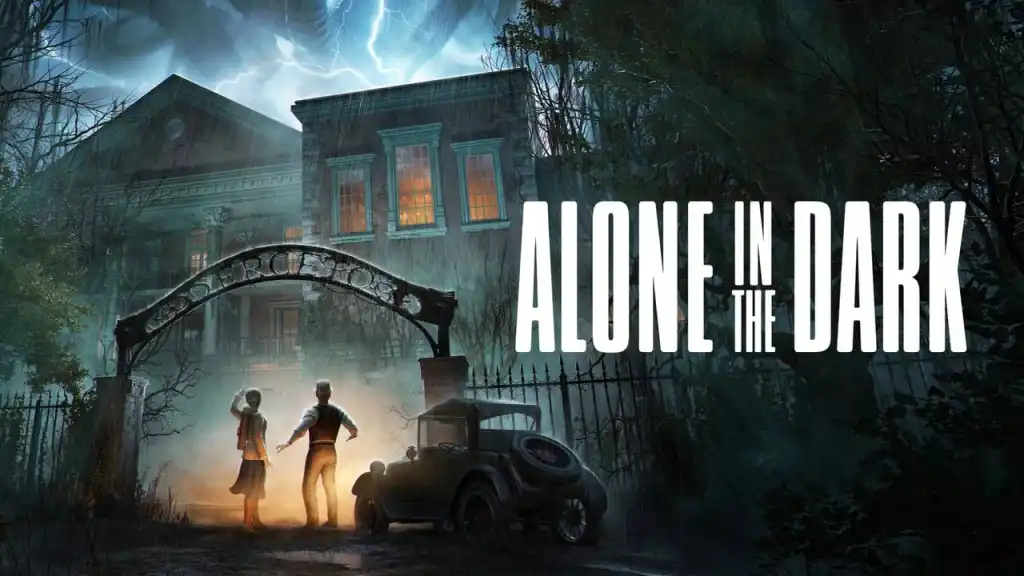
Alone in the Dark (2024) understands that survival horror is built on atmosphere, not action. By embracing its Lovecraftian roots and old-school design philosophy, it delivers a faithful revival despite occasional technical issues.
Alone in the Dark (2024) At a Glance
Release Date
Mar 20, 2024
Price
$39.99 MSRP Digital (Steam | Xbox | Playstation)
$39.99 MSRP Physical (Playstation | Xbox)
Proton
10.0-3
Completed on
PC
/ Normal
HLTB
10½ Hours (Main + Sides)
/ My Clear Time: 13hrs 20min
Welcome to Derceto Manor
Alone in the Dark (2024) reimagines Infogrames’ 1992 survival horror classic, a game widely regarded as one of the foundations of the genre alongside titles that would later inspire series such as Resident Evil and Silent Hill. Rather than attempting to modernize every aspect of its design, developer Pieces Interactive set out to preserve the slower pace, investigative gameplay, and Lovecraftian atmosphere that defined the original while presenting them through a contemporary lens.
That philosophy wasn’t simply a marketing promise. Frédérick Raynal, creator of the original Alone in the Dark, praised the team’s approach, stating:
‘I think that Mikael and the team at Pieces did a great job preserving the core feeling of the game. They even went further than everything I could expect 30 years ago‘.
Playstation
With that goal in mind, the question becomes whether Pieces Interactive successfully balanced modernization with preservation, or if revisiting one of survival horror’s foundations left too much of the past intact.
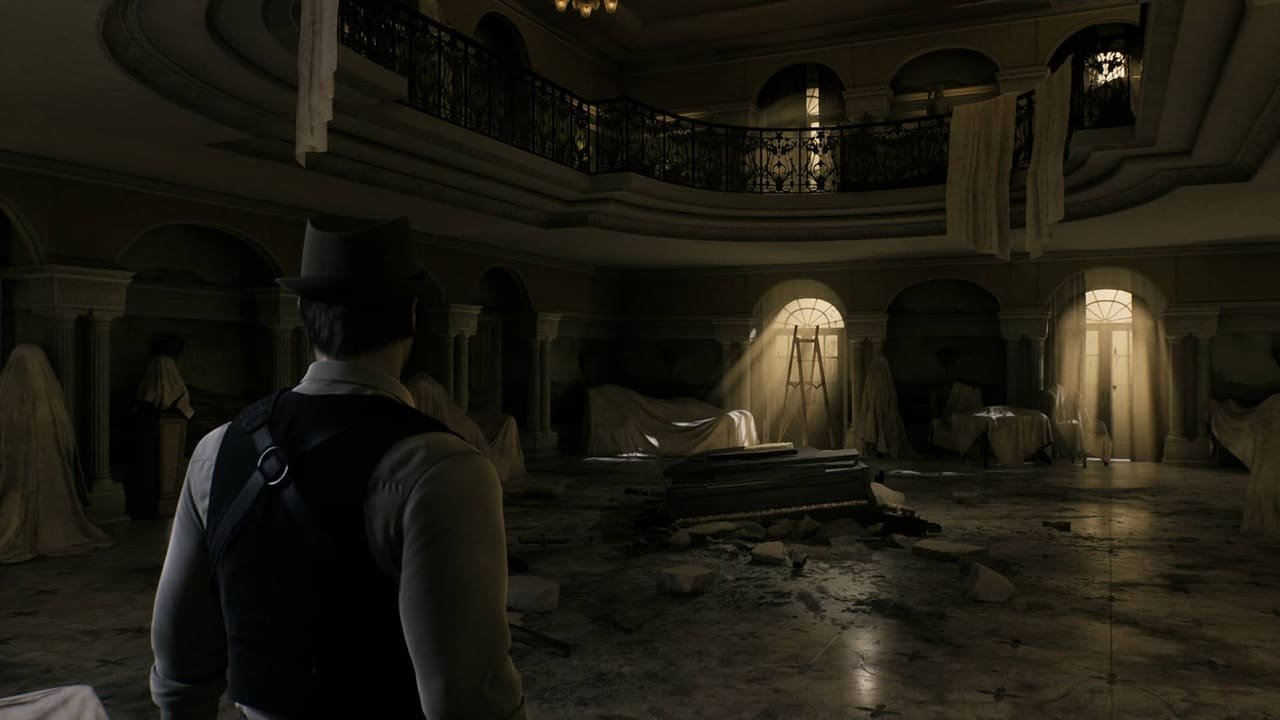
Carnby explores the eerie halls of Derceto Manor in Alone in the Dark (2024).
Reviewer’s Perspective
My last brush with this series was the 2008 reboot, which didn’t really keep my interest for long. After finishing this 2024 version, I actually went out and grabbed the GOG versions of the original trilogy and The New Nightmare, along with Inferno on PS3. I have cleared almost every major survival horror title, from the entire Dead Space series to nearly every Resident Evil and Silent Hill game, so I went into this with a lot of expectations.
Beyond the Shadows
Alone in the Dark isn’t trying to become an action-heavy horror game, and that’s one of its greatest strengths. Pieces Interactive instead embraces the slower, more methodical design philosophy that helped define the survival horror genre, encouraging players to explore every corner of Derceto Manor, conserve resources, and solve environmental puzzles rather than simply fighting their way forward.
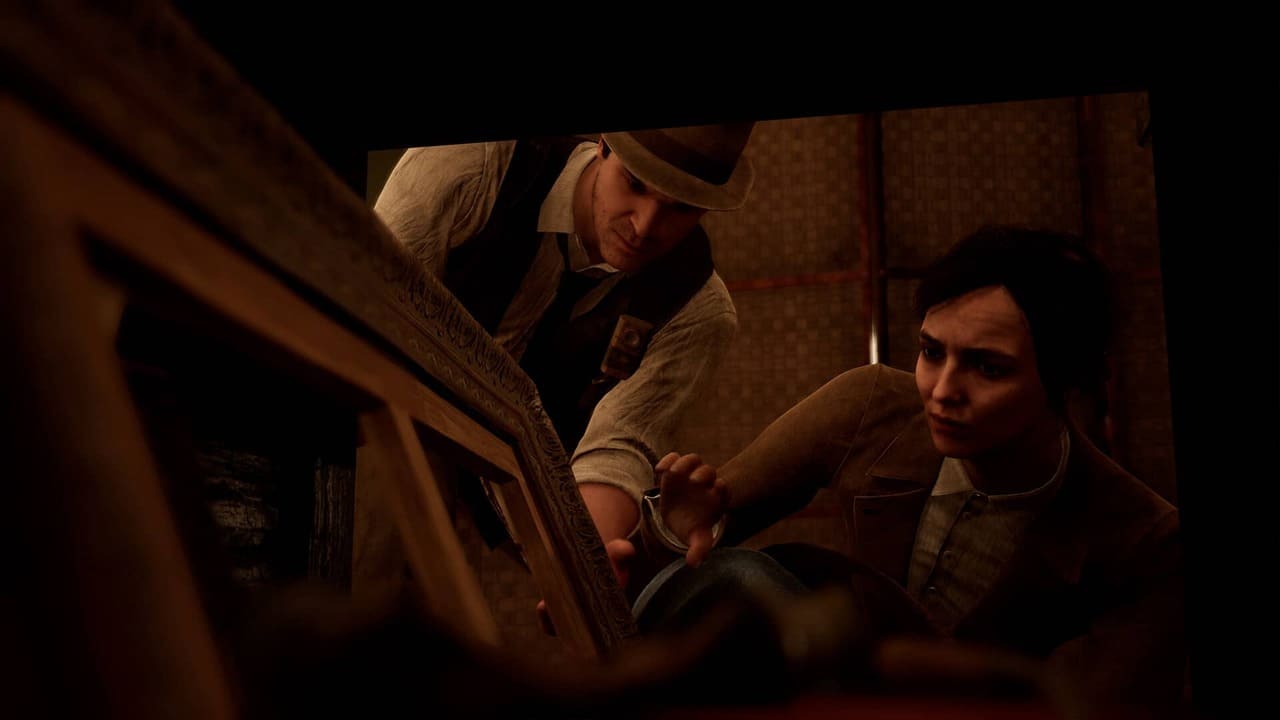
Carnby and Emily find a hidden painting in one of the manor’s many rooms.
Combat is intentionally deliberate and occasionally unforgiving, placing greater emphasis on preparation than reflexes. While that approach won’t appeal to everyone, it feels appropriate for a game built around tension rather than empowerment. Exploration is equally rewarding, with environmental storytelling and optional discoveries giving players plenty of reasons to stray from the critical path.
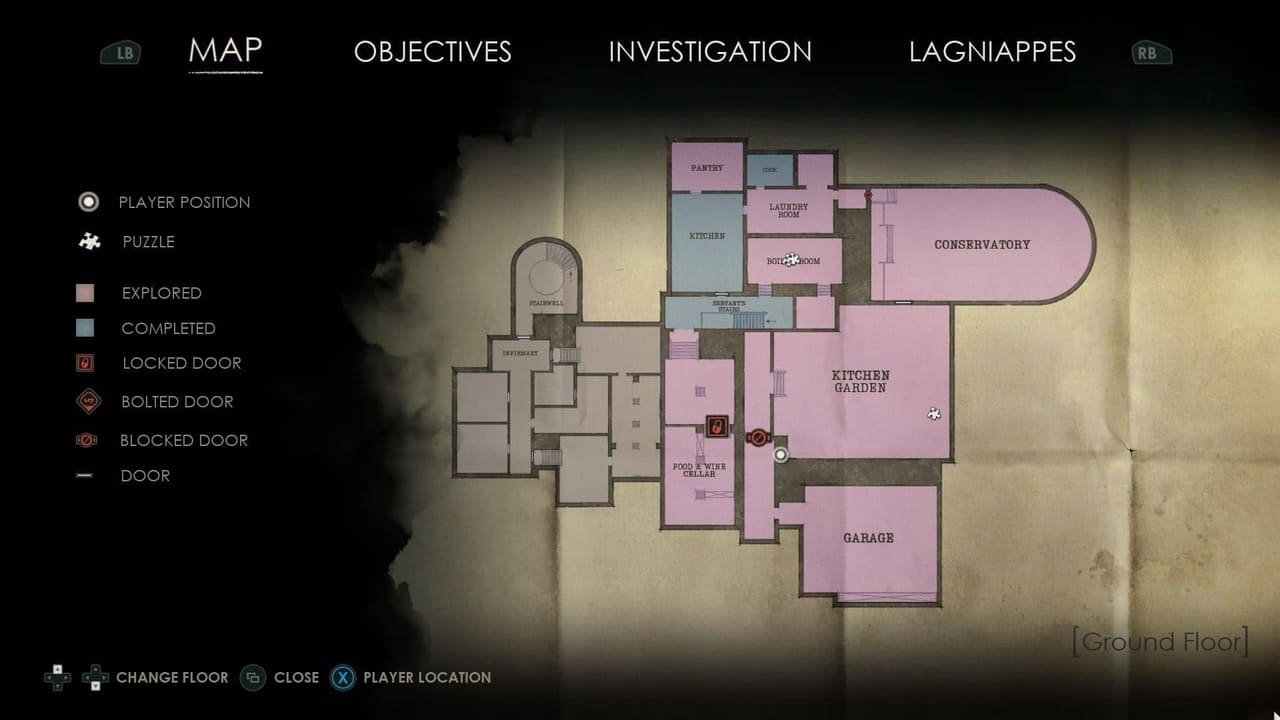
The map is for navigating the twists and turns of Derceto.
Puzzle design also stands out. Rather than relying on excessive hand-holding, Alone in the Dark trusts players to observe their surroundings and piece together solutions through notes, environmental clues, and careful investigation. The result is a gameplay loop that feels faithful to the genre’s roots while remaining approachable for modern audiences.
Fear of the Unknown
Beyond its gameplay, Alone in the Dark succeeds because it fully commits to its identity. The writing is exactly what I hoped it would be: unapologetically campy in the best possible way, with performances and dialogue that often feel like something Sam Raimi could have directed. That B-movie energy never undercuts the horror. Instead, it gives Derceto Manor a personality that distinguishes it from many modern horror games.
The narrative also embraces the Lovecraftian influences that have always been central to the series. Rather than relying solely on jump scares or gore, the game builds unease through mystery, atmosphere, and the constant feeling that something unknowable lurks just beyond the player’s understanding. Fans of cosmic horror will find plenty to appreciate here.
Presentation ties everything together. From the haunting soundtrack to the environmental detail throughout Derceto Manor, the game’s atmosphere consistently reinforces its unsettling tone. Even when technical shortcomings occasionally interrupt the experience, the world remains compelling enough to pull you back into its mysteries.
Final Verdict
Alone in the Dark (2024) succeeds because it understands what made the original memorable. Rather than transforming itself into an action-heavy blockbuster, it embraces deliberate exploration, atmospheric puzzle-solving, and cosmic horror while modernizing just enough of the formula to remain approachable.
Technical issues prevent it from reaching its full potential, but the combination of memorable performances, faithful survival horror design, and an unmistakable appreciation for the series’ legacy make Derceto Manor well worth revisiting. Fans of classic survival horror and Lovecraftian fiction should feel right at home.
Review Summary
Alone in the Dark (2024) (PC)
Alone in the Dark (2024) successfully revives the series with old-school survival horror, Lovecraftian storytelling, memorable puzzles, and an atmosphere that respects its roots without feeling trapped by them.
Technical issues occasionally interrupt the experience, but Derceto Manor remains a rewarding destination for horror fans looking for a faithful modern revival.
Tested On
CPU: Ryzen 7 5900X | GPU: Nvidia 3080ti 12GB | RAM: 64GB DDR4 | Storage: Crucial P5 Plus NVMe SSD
OS: Windows 11 x64 | Resolution: 1440p | Settings: High/Custom | Framerate: Uncapped
References
- YouTube (2019, October 15). [Video] Alone in the Dark – Official Trailer.