
Disclosure: KonNetwork is reader-supported. We use affiliate links to keep ads and tracking scripts off the site. As an Amazon Associate, we earn from qualifying purchases.
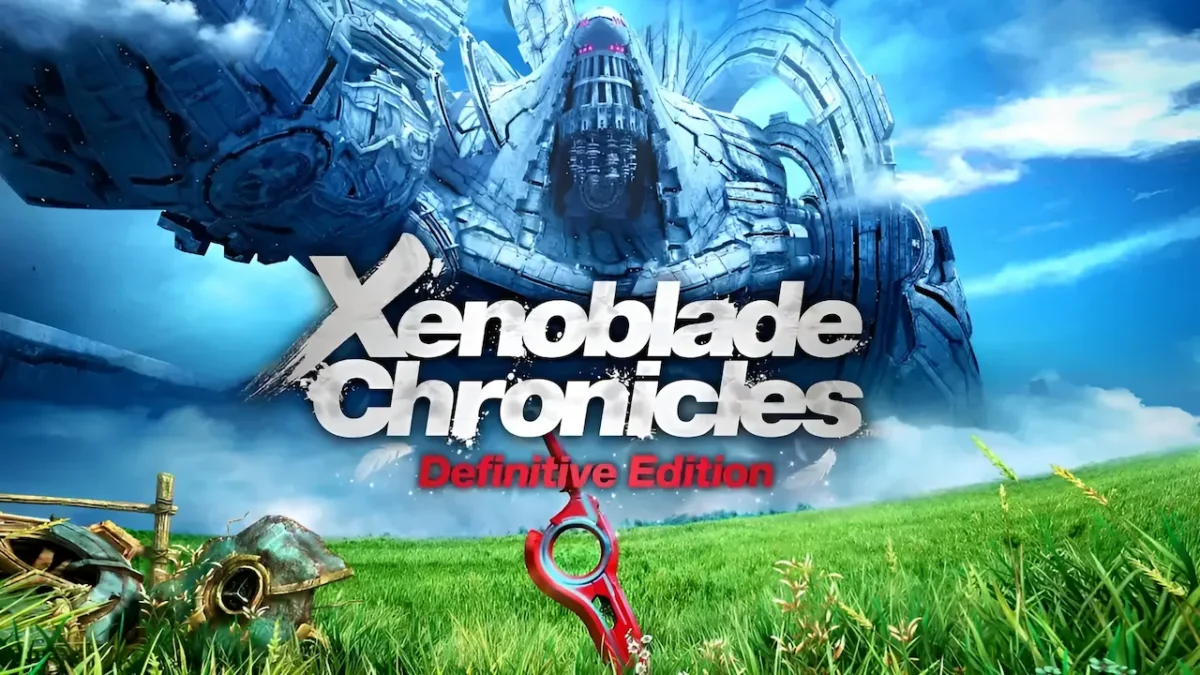
Xenoblade Chronicles: Definitive Edition preserves everything that made the original a classic while modernizing it with refined gameplay, updated visuals, and thoughtful quality-of-life improvements. With the addition of Future Connected, it stands as the definitive way to experience Shulk’s journey.
Xenoblade Chronicles: Definitive Edition At a Glance
Release Date
May 29, 2020 (SW)
Jun 9, 2026 (SW2 Digital)
Jul 30, 2026 (SW2 Physical)
Price
$59.99 MRSP Digital (Switch | Switch 2)
$9.99 MSRP (Upgrade Pack)
$69.99 MSRP (SW2 Physical)
HLTB
56½ Hours (Main Story)
/ My Time: 21hrs 40mins
Completed on
Yuzu
/ 2x Movement Speed Mod
Reforging the Monado
Rather than producing a simple remaster, Monolith Soft rebuilt Xenoblade Chronicles to better reflect the identity the series developed over the following decade. Updated character models, redesigned environments, refined menus, and numerous quality-of-life improvements bring the original Wii classic closer to its sequels while preserving the emotional story and world that established the franchise.
The remaster also introduces Future Connected, an original epilogue centered on Melia that expands the story beyond the original ending. Together with a rearranged soundtrack and extensive gameplay refinements, Definitive Edition delivers what Monolith Soft envisioned as the definitive version of one of Nintendo’s most celebrated RPGs.
The Team Behind the Monado
Xenoblade Chronicles: Definitive Edition reunites many of the creators responsible for the original game’s success. Series creator Tetsuya Takahashi returned as scenario writer and producer alongside directors Michihiko Inaba and Yuki Sakamoto. Art director Eiji Takahashi helped modernize the original visual style, while composers Yoko Shimomura, Manami Kiyota, and Yasunori Mitsuda returned to rearrange and expand one of the series’ most celebrated soundtracks.
Reviewer’s Perspective
Although Xenoblade Chronicles 2 was my introduction to the series, it never fully clicked during my first attempt. Rather than giving up, I decided to return to the beginning with Xenoblade Chronicles: Definitive Edition to better understand why the franchise had earned such a passionate following.
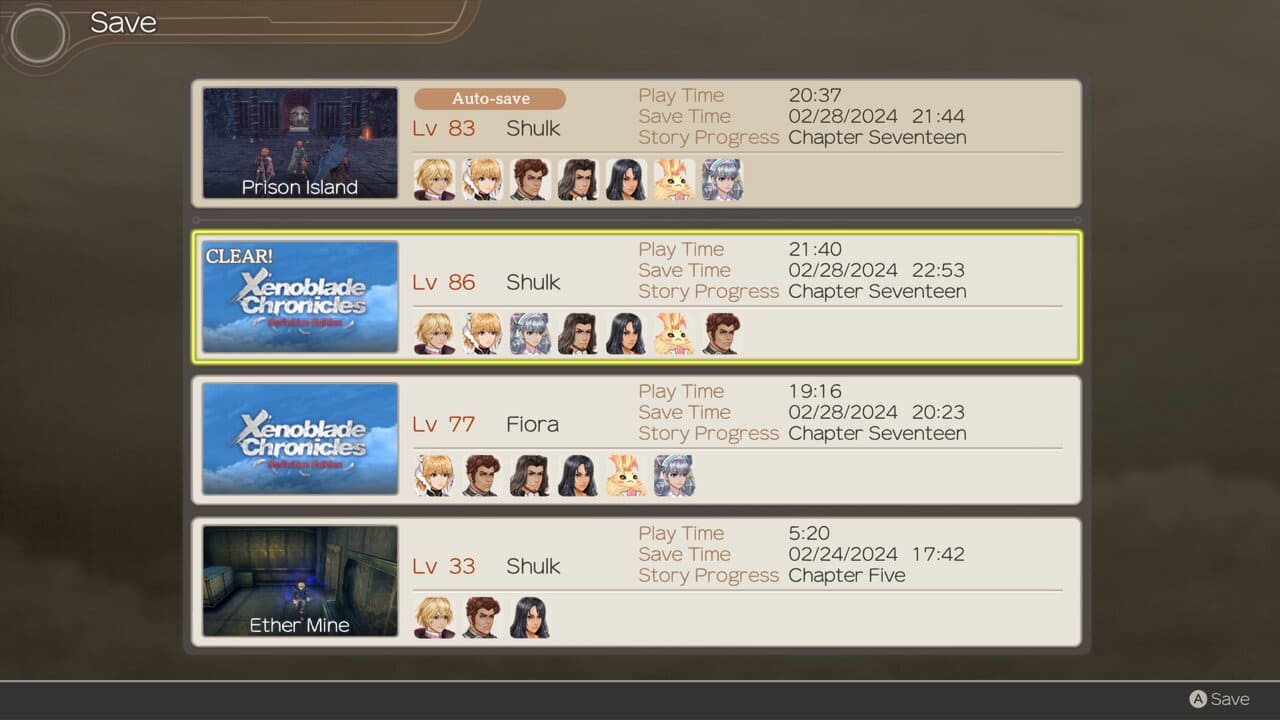
The completed save file marks the end of one journey before Future Connected begins.
That decision completely changed my perspective. By the time I finished Shulk’s journey, I understood why Xenoblade Chronicles is so highly regarded and was eager to continue exploring the rest of the series.
Wielding the Monado
From the opening hours, Xenoblade Chronicles: Definitive Edition demonstrates why its combat system remains one of the genre’s most influential. Battles blend real-time movement with strategic Arts, positioning, party synergy, and Talent Arts, rewarding players who understand each character’s strengths rather than simply relying on higher levels.
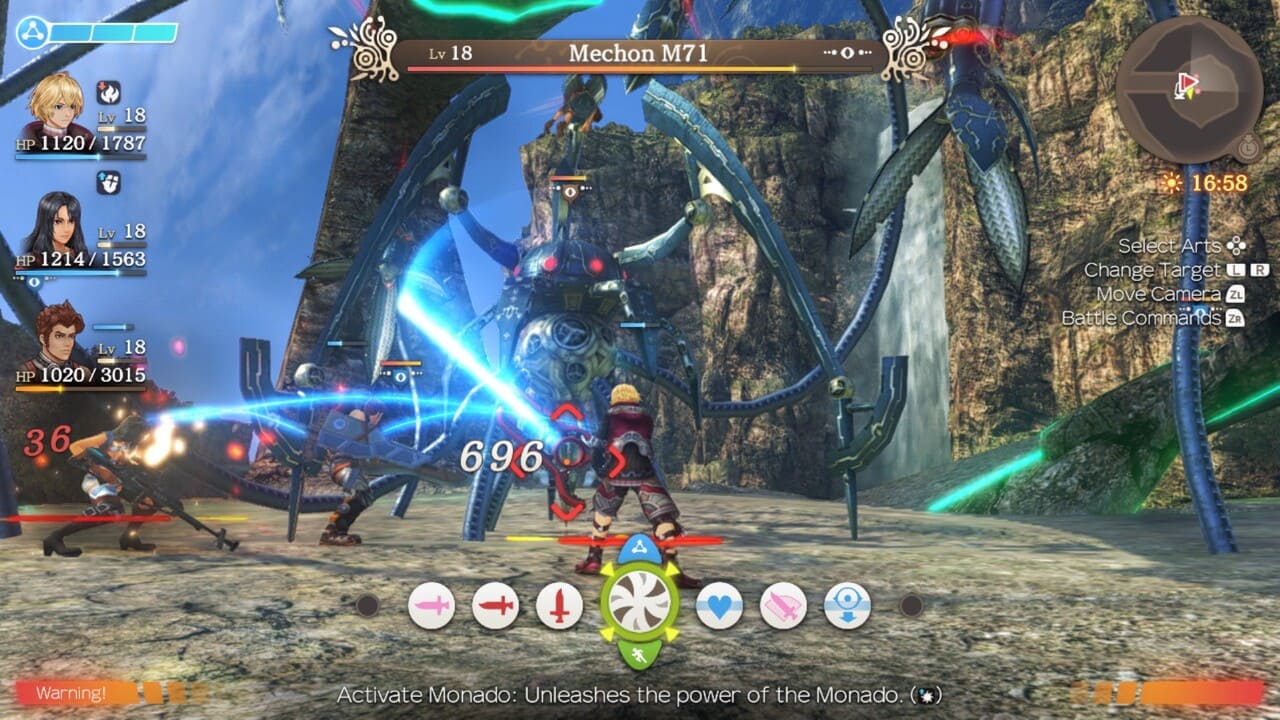
Level 18 M71 Mechon battles test your skills and strategy.
Quality-of-life improvements dramatically enhance exploration compared to the original Wii release. Fast travel, improved quest tracking, and a streamlined interface remove much of the friction that once slowed progression, allowing exploration to flow naturally between major story beats.
The enormous environments of Bionis and Mechonis remain rewarding to explore, with hidden landmarks, optional quests, affinity relationships, and numerous side activities encouraging curiosity. Some meaningful character development is still tied to optional content, but the world consistently rewards players willing to venture off the critical path.
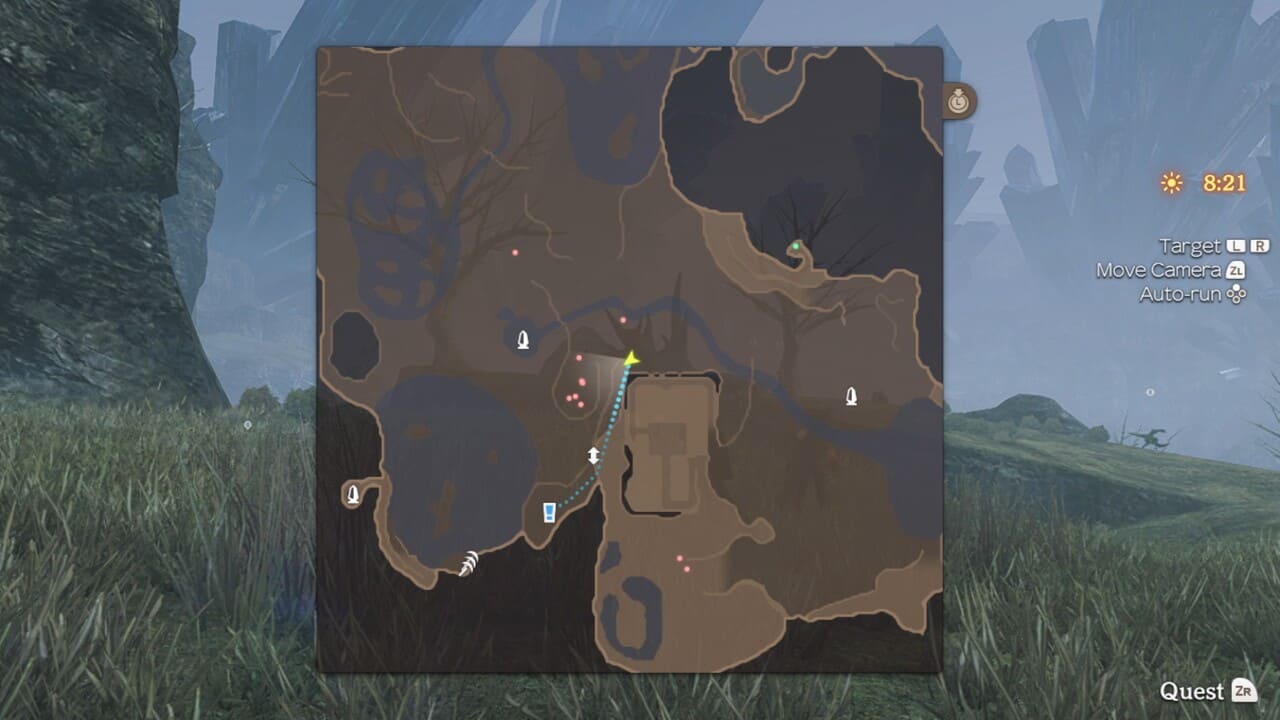
Drawing a path to the next objective on the map.
A World Upon Titans
Few RPG settings remain as memorable as Bionis and Mechonis. Every region introduces distinct environments while gradually revealing the sheer scale of a world literally built upon two fallen titans.
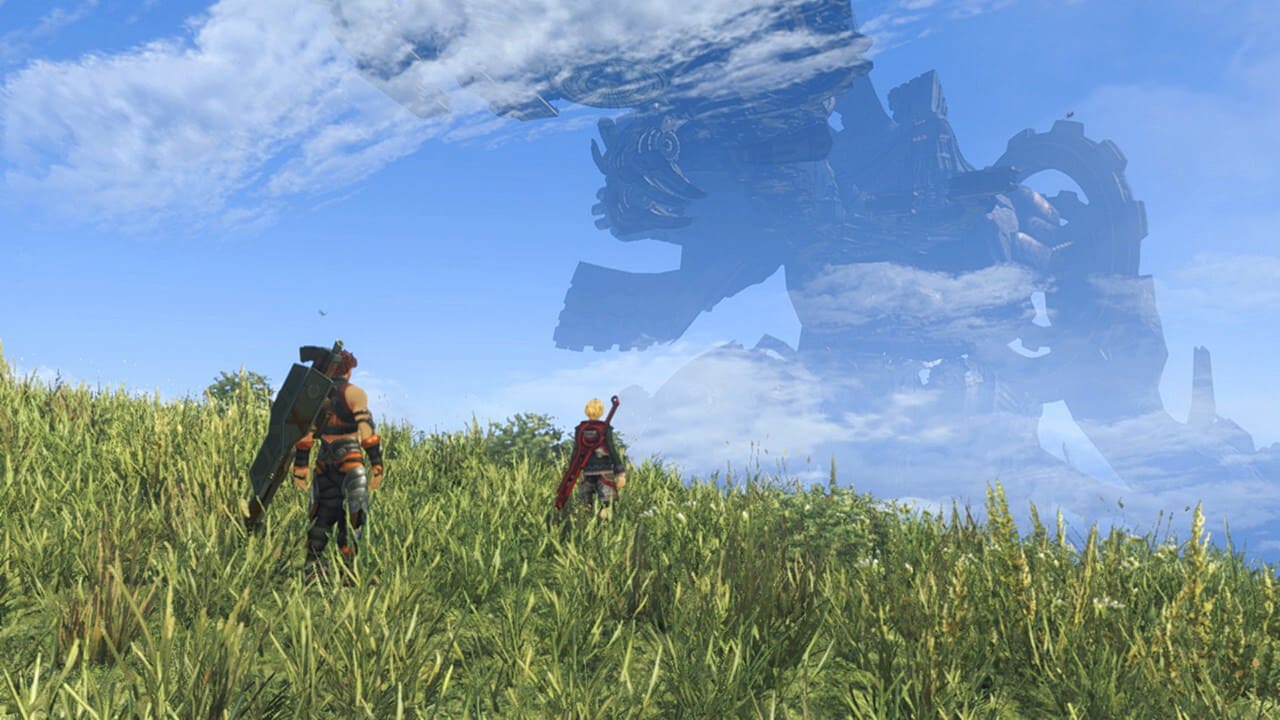
The breathtaking scale of Bionis is immediately apparent from the opening hours.
The updated character models successfully bridge the visual gap between the original release and later Xenoblade entries while preserving the identity that made the Wii version so memorable. Environmental detail has likewise received a substantial overhaul, making every region feel richer without sacrificing the original artistic direction.
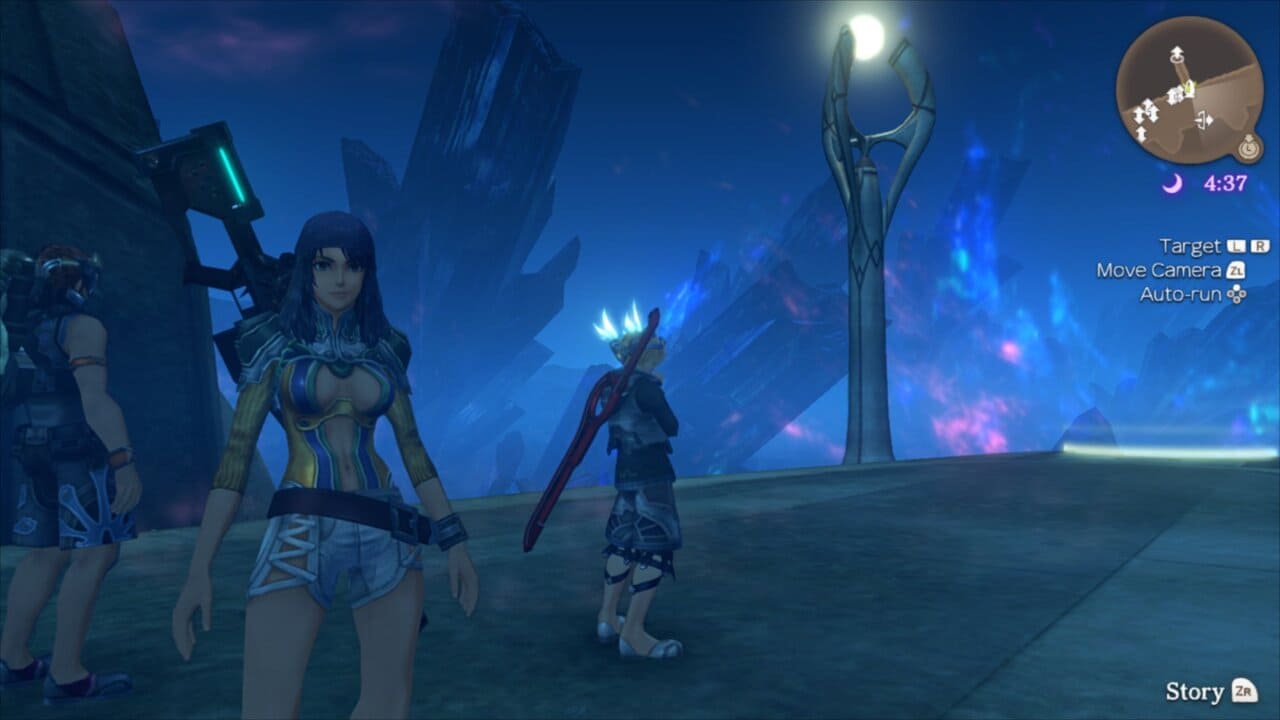
Sharla, Shulk, and Reyn gather beneath glowing fiery rocks and streetlights.
One of Definitive Edition‘s greatest strengths is how alive its world feels. NPC schedules change throughout the day, towns shift naturally from bustling marketplaces to quiet evenings, and optional conversations reward players who take time to slow down and explore. Those quieter moments make the larger story feel grounded, giving players reasons to care about the people they’re ultimately fighting to protect.
The rearranged soundtrack deserves equal praise. Composers Yoko Shimomura, Manami Kiyota, and Yasunori Mitsuda deliver one of Nintendo’s strongest RPG scores, effortlessly shifting between quiet emotional moments and large-scale battles that define Shulk’s journey.
Seiyuu Performances
The Japanese cast helps Future Connected feel like a natural continuation of the original adventure. Returning performers immediately slip back into their roles, while the quieter, more character-driven story gives Shulk, Melia, and the new cast room to deliver more personal performances than the main game’s larger conflicts often allowed.
- Shulk — Shintaro Asanuma
Notable roles: Susanoo (Akame ga Kill!), Crow Hogan (Yu-Gi-Oh!) - Melia — Shiori Katsuta
Notable roles: Aurora (Professor Layton), Beelzebub (Three Leaves, Three Colors) - Nene — Mai Aizawa
Notable roles: Marie Rose (Dead or Alive), Edea Lee (Bravely Default), Ninth (Future Diary) - Gael’Gar — Hiromu Miyazaki
Notable roles: Chen Gong (Dynasty Warriors), Tank-Top Tiger (One Punch Man), Fudo (Fist of the North Star)

Dunban’s quiet confidence helps define one of Xenoblade’s most memorable supporting characters.
Final Verdict
Xenoblade Chronicles: Definitive Edition succeeds because it modernizes a beloved RPG without compromising what made the original special. Monolith Soft carefully refines nearly every aspect of the experience through improved visuals, streamlined mechanics, and thoughtful quality-of-life additions while preserving the emotional storytelling and expansive world that established the franchise.
Although the opening hours require patience and some meaningful character development remains tucked behind optional side content, those shortcomings are outweighed by exceptional world-building, rewarding exploration, memorable characters, and one of the strongest soundtracks in the genre. Whether you’re discovering Shulk’s journey for the first time or returning after the Wii original, Definitive Edition is unquestionably the best way to experience this modern classic.
Review Summary
Xenoblade Chronicles: Definitive Edition (Switch)
Xenoblade Chronicles: Definitive Edition modernizes a landmark JRPG with refined combat, sweeping world design, meaningful quality-of-life improvements, and one of Nintendo’s finest soundtracks.
While its opening hours require patience and some character moments remain tucked behind optional content, it remains the definitive way to experience Shulk’s unforgettable adventure.
Tested On
CPU: Ryzen 7 5900X | GPU: RTX 3080 Ti | RAM: 32GB DDR4 | Storage: Crucial P5 Plus NVMe SSD
OS: Windows 11 x64 | Resolution: 1080p | Settings: High
References
- Nintendo of America. (2019, September 4). Xenoblade Chronicles: Definitive Edition – Announcement Trailer – Nintendo Switch. YouTube.
- Enel. (2020, May 30). Truly Understanding Combat in Xenoblade: Definitive Edition. YouTube.