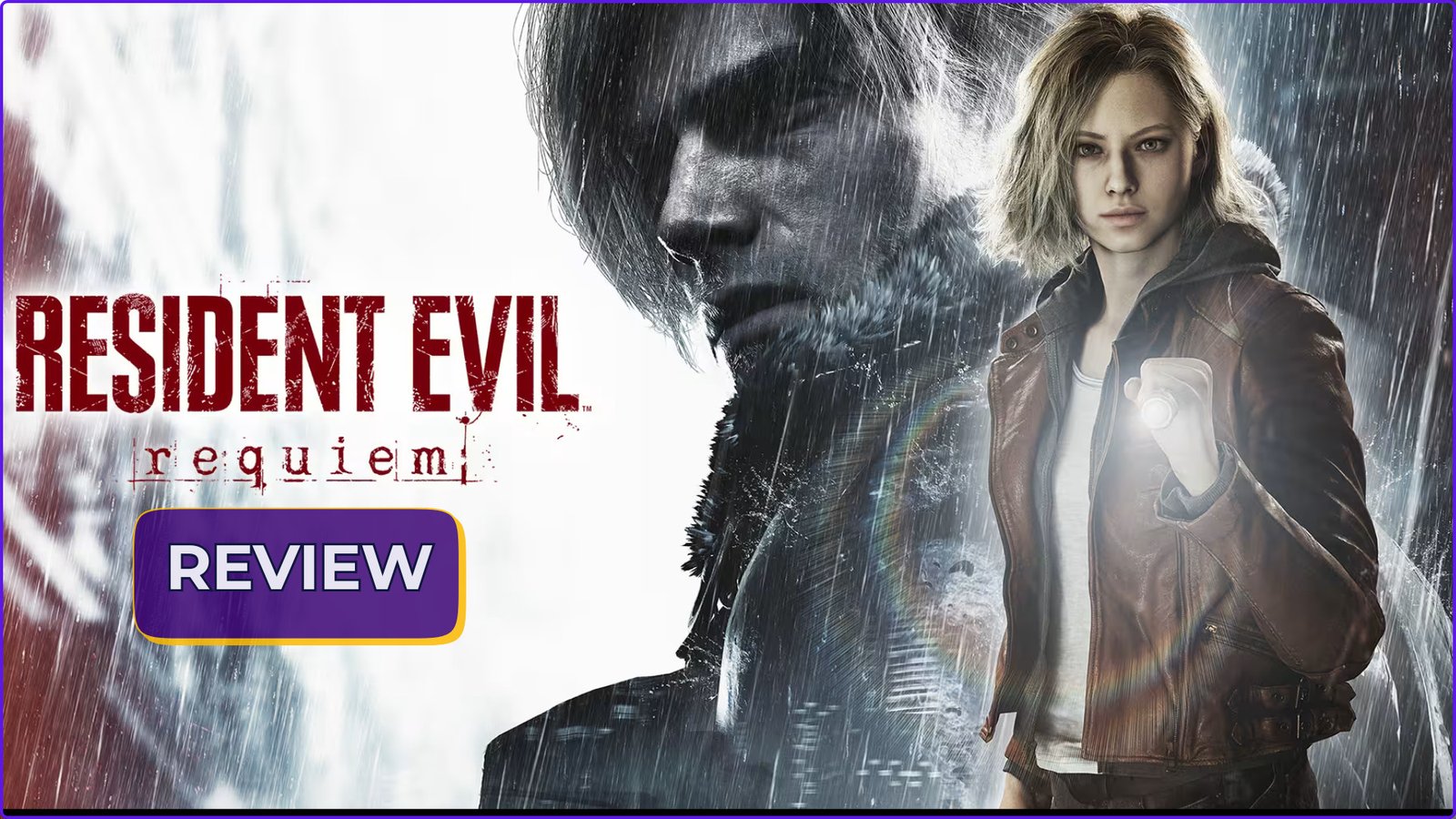
After 30 years, Capcom blends the best of classic and modern survival horror into an exhilarating package that delivers some of the highest highs the series has ever achieved with Resident Evil Requiem.
At a Glance
Release Date
Feb 27, 2026
Developer
Capcom
Platforms


Genre
Survival Horror, Shooter
Rating
Mature
Price
$69.99 (Standard)
$79.99 (Deluxe)
Proton
Proton Experimental
Completed on: Linux, Standard (Modern)
Time: HLTB 14½ Hours (Main + Sides) | My Clear Time: 15hrs 33min
Resident Evil Requiem Background
Resident Evil Requiem launched on February 27, 2026, for PlayStation 5, Xbox Series X/S, Switch 2, and PC. Development was led by director Koshi Nakanishi, who aimed to unify the atmospheric horror of Resident Evil 7 with the high-intensity action of Resident Evil 4 through a dual-protagonist narrative. Nakanishi clarified during development that while the game features expansive environments, it is not an open-world title.
The project was originally conceived with a focus on horror featuring a timid version of Leon, but the developers ultimately decided that this was not the right direction for the character. Instead, Nakanishi and the team prioritized a dynamic gameplay experience between the two protagonists. Grace’s gameplay is similar to Resident Evil 2 (2019) and Resident Evil 7, focusing on atmospheric horror and claustrophobic encounters. Leon’s sections lean into the thriller tension of the Resident Evil 4 reimagining, creating a wide emotional range and a deliberate tension and release dynamic between the two characters.
The development team for Resident Evil Requiem includes:
- Kenji Fukasawa, Keiji Teranishi (Lead Game Designers)
- Kenji Fukasawa: Lost Planet 2-3, Umbrella Corps
- Keiji Teranishi: Deadly Premonition, Sengoku Basara 4, Monster Hunter: Wilds
- Koshi Nakanishi (Director) Way of the Samurai, Resident Evil: Revelations, Resident Evil 7
- Wilson Ong (Lead Character Artist) Ghost Recon: Future Soldier, Devil May Cry V, Resident Evil Village – Resident Evil Requiem
- Nao Sato, Masahiro Oki, Shigeyuki Kameda (Lead Composer, Composers)
- Nao Sato: Monster Hunter: Rise, Resident Evil: Village, Kunitsu-Gami: Path of the Goddess
- Masahiro Oki: Teppen, Monster Hunter: Stories 2 – Wings of Ruin, Dragons’ Dogma 2
- Shigeyuki Kameda: Street Fighter 6, Marvel vs Capcom Fighting Collection
- Masato Kumazawa, Masachika Kawata (Producers)
- Masato Kumazawa: Resident Evil Village: Winter’s Expansion, Separate Ways (2023) – Resident Evil Requiem, Kunitsu-Gami: Path of the Goddess
- Masachika Kawata: Resident Evil 4 – Resident Evil 5, Resident Evil 2 (2019) – Resident Evil Requiem, Project X Zone
Resident Evil Requiem Experience
My history with this series goes back to the Dreamcast with Code: Veronica. I have played almost every mainline game since then. After feeling that recent reimaginings were hit or miss and Village played like a tech demo, I went into this title hoping for a return to genuine survival horror. I played through the campaign on Nobara Linux.
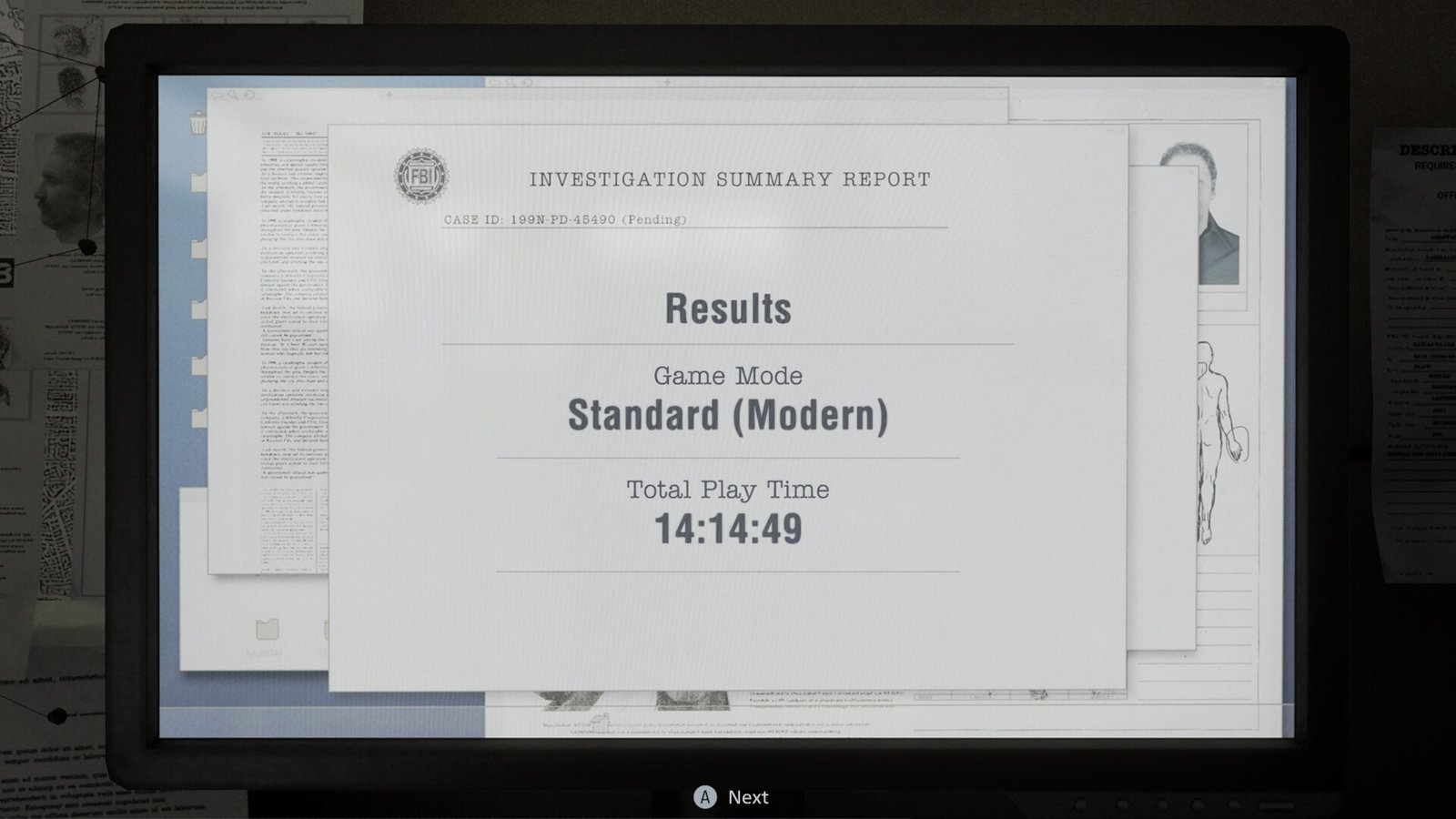
My final results screen shows a total completion time of 14 hours on the standard difficulty setting.
Resident Evil Requiem Impressions
Introduction
The story follows Leon S. Kennedy, now a seasoned DSO agent, and a new protagonist, Grace Ashcroft. Set years after the events of Resident Evil 6, the narrative weaves their paths together through a unified campaign rather than separate scenarios. The duo must navigate the ruins of a new viral outbreak where the infected retain haunting fragments of their former human memories.
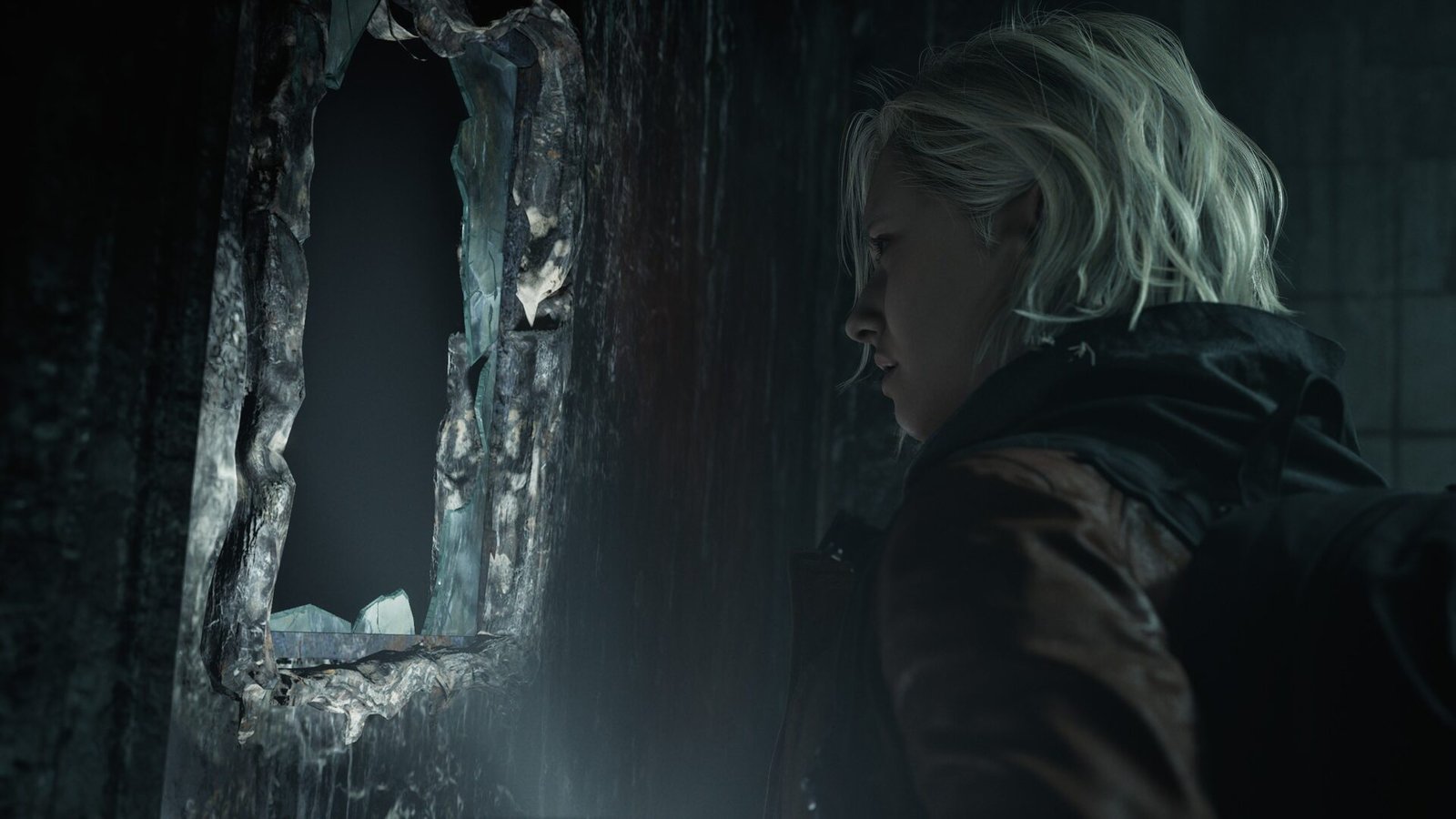
Keep your headphones on to catch the subtle shifts in Grace’s environment before they catch you.
Gameplay & Mechanics
These title cards signal a perspective swap to reset the game’s tension.
Dual-Protagonist Roles
The game alternates between Grace and Leon to balance tension and release. Grace’s segments focus on confined environments and resource scarcity, while Leon’s sections emphasize mobile combat and high enemy pressure. This expands upon the back-and-forth campaign mechanics from Resident Evil 4 where you would shift between Leon and Ashley during the story.
Charms
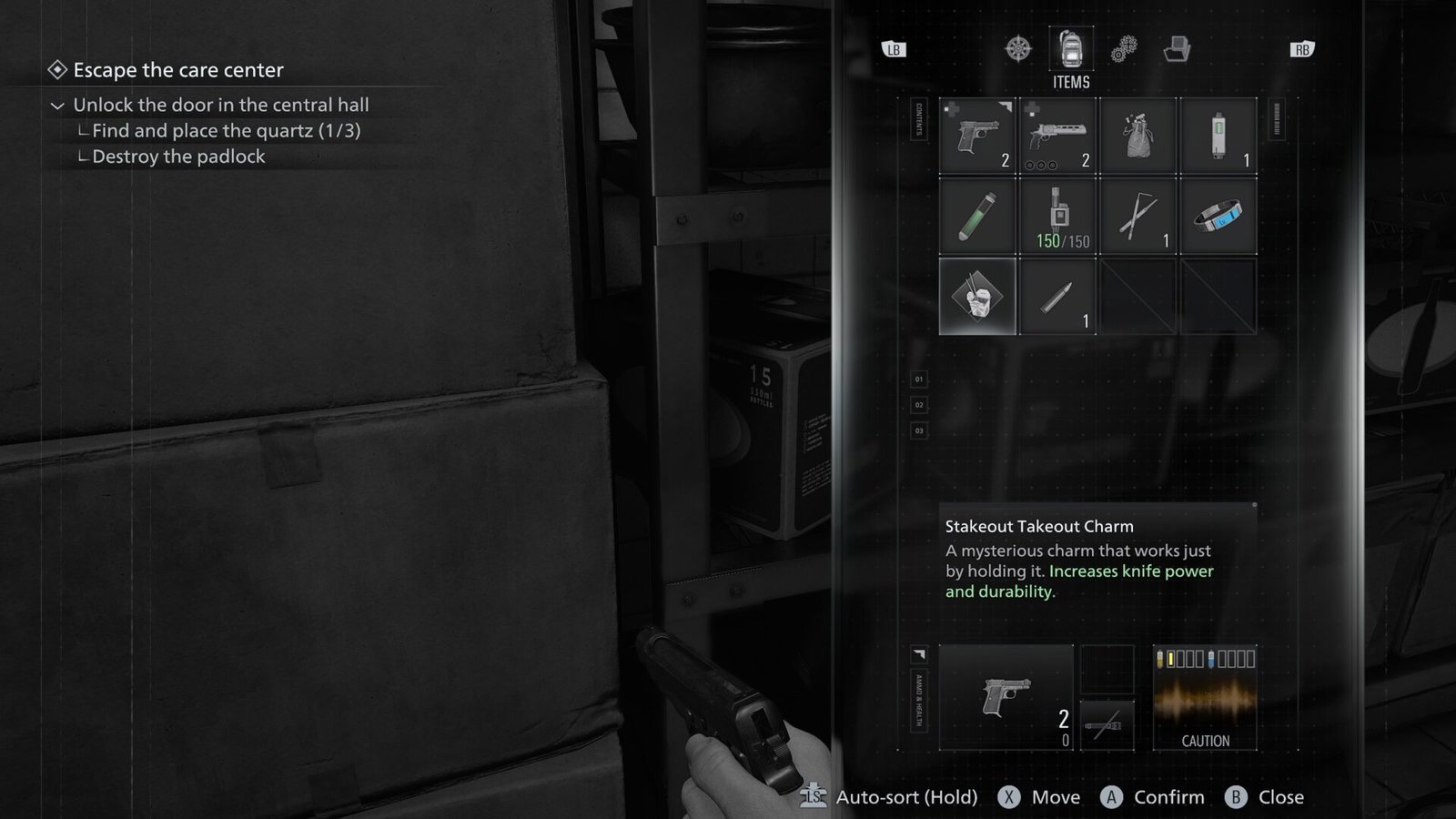
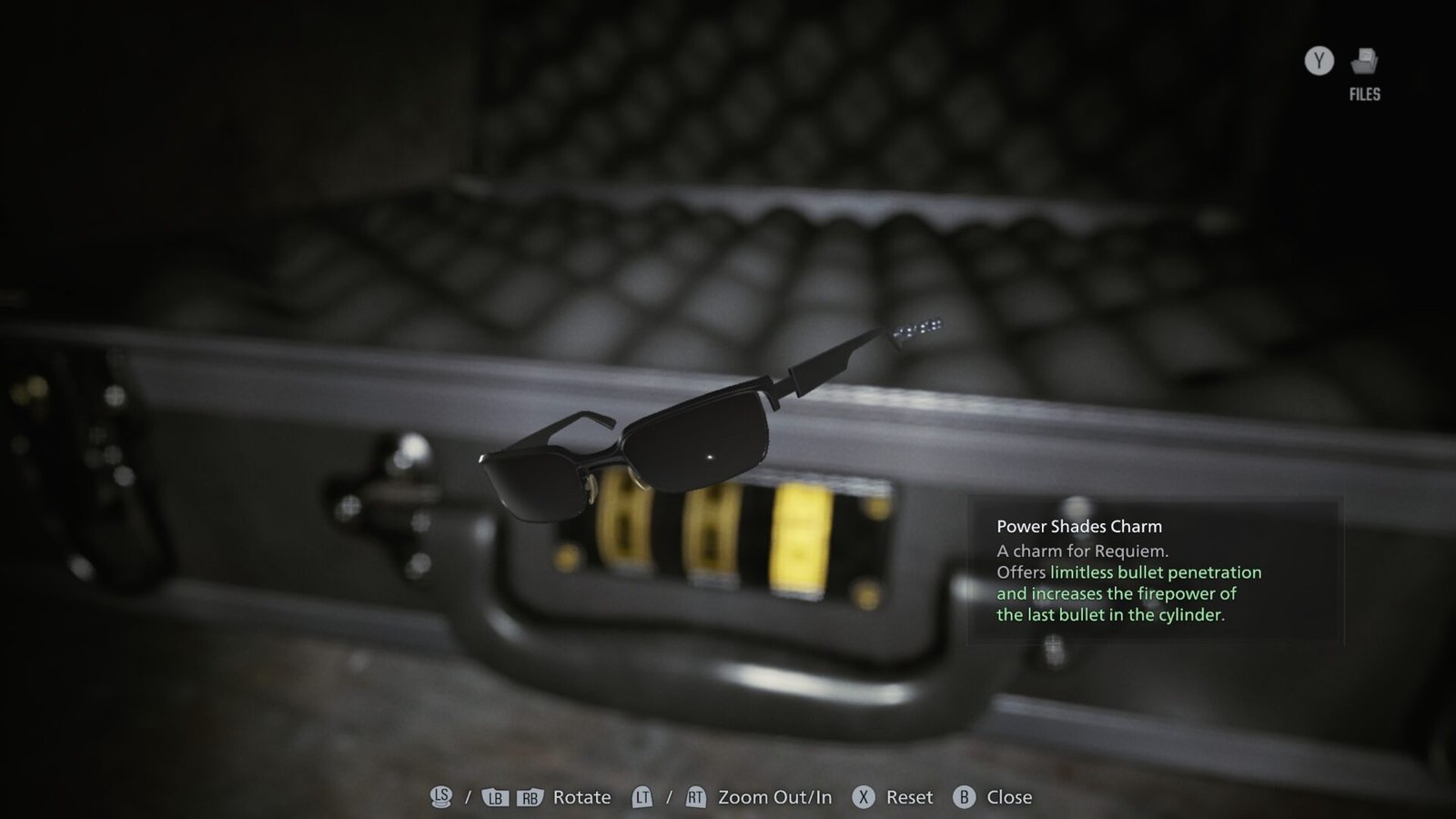
Resident Evil 4 (2023)‘s charms return in a tailor made way for Grace and Leon. In Grace’s gameplay sections, they are passives that take up space in your inventory that grant universal buffs like withstanding a fatal blow, or improving the durability on breakable blades. For Leon, they attach to the specific weapon types, granting different bonuses like increased damage at mid-range, or increased damage at the expense of more weapon sway on SMGs.
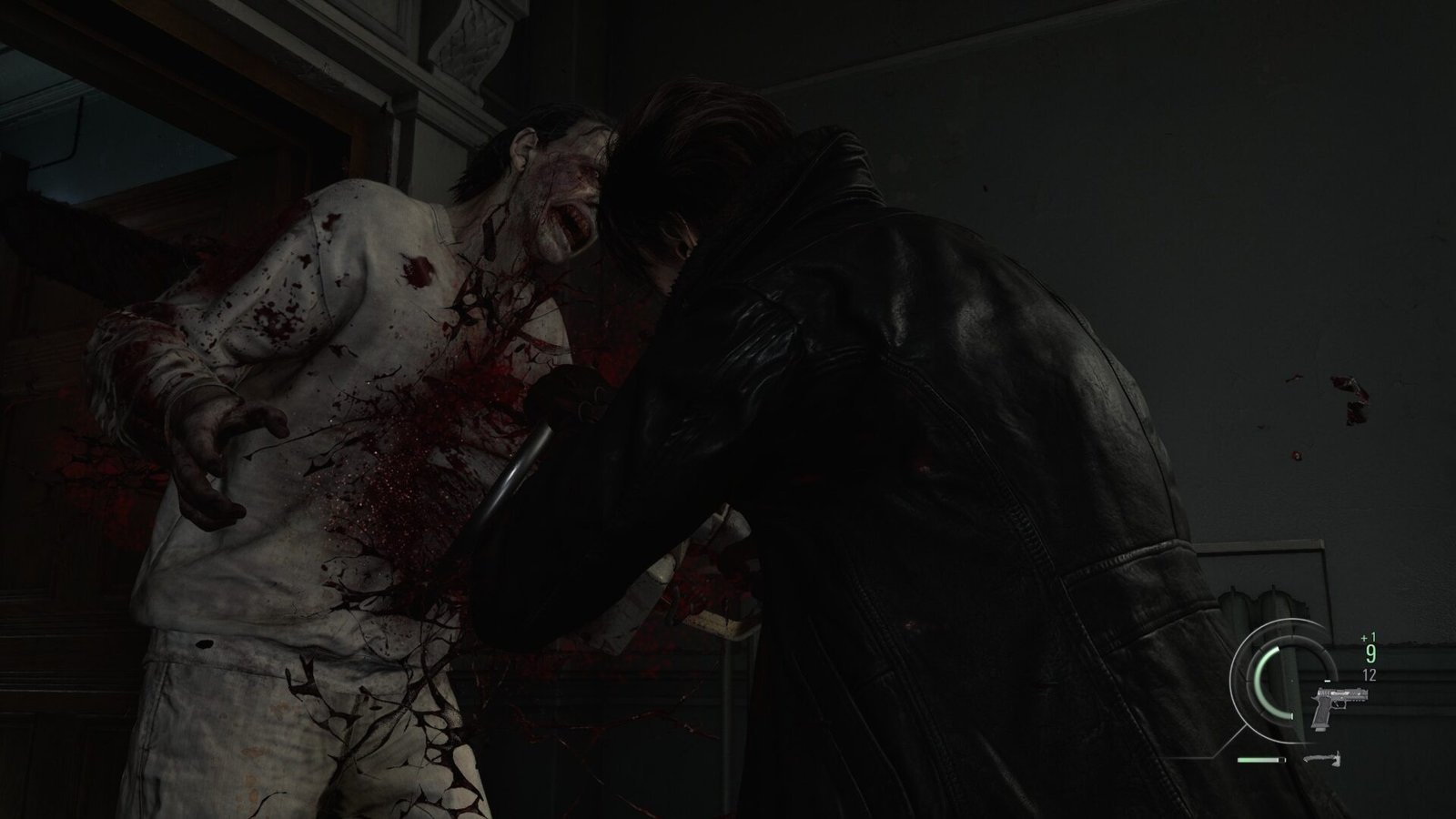
Stagger enemies with well-placed shots to open them up for these lethal melee follow-ups.
Combat Synergy
Players can use well-placed shots to stagger enemies, opening them up for melee follow-ups. In a significant shift for the series, players can also scavenge and utilize enemy weaponry, such as chainsaws, directly in combat.
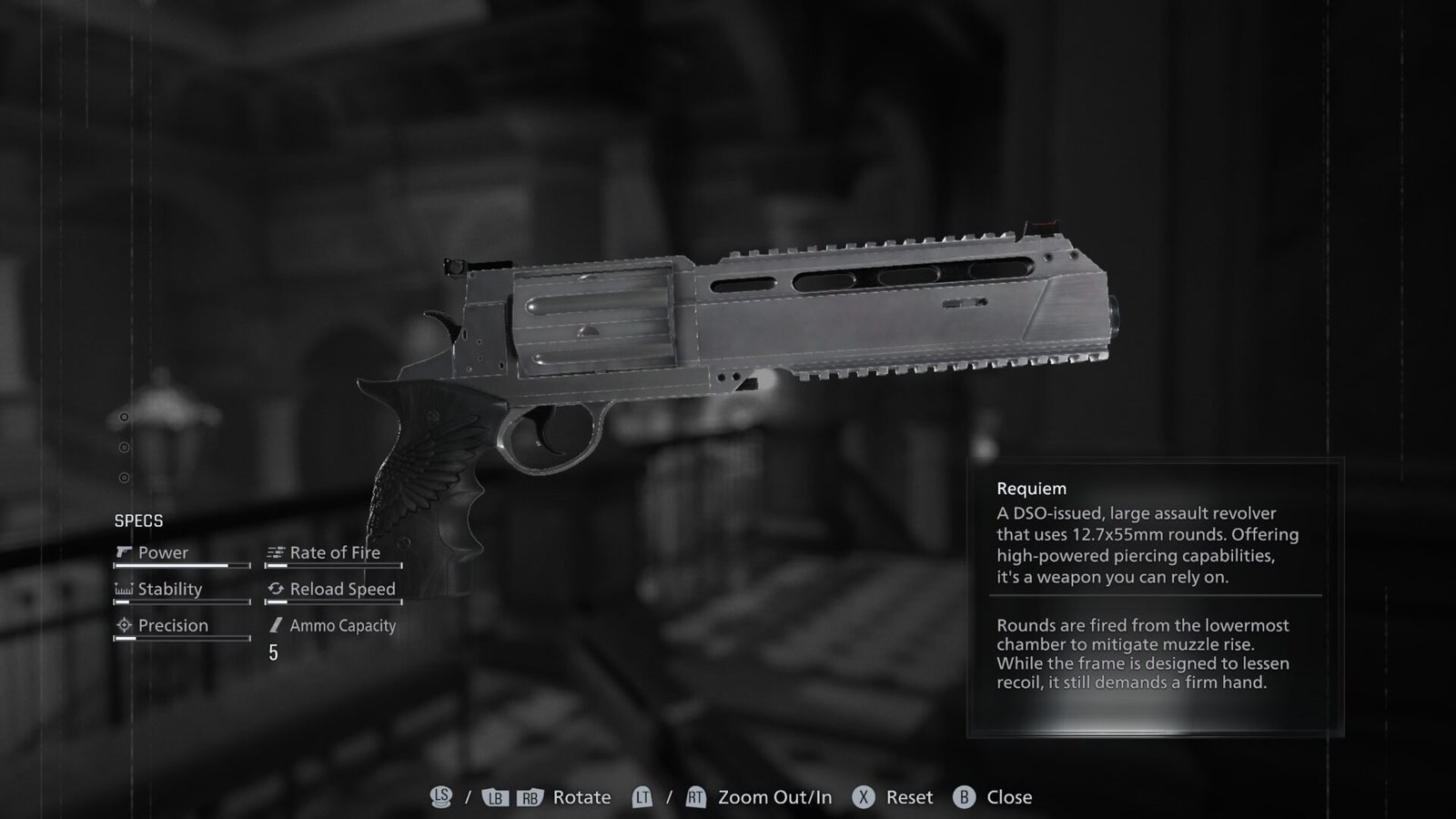
Save these rare 12.7x55mm rounds for the game’s toughest boss encounters.
The Requiem Revolver
Grace has access to a high-caliber assault revolver named “Requiem.” While devastating, its ammunition is extremely limited, forcing the player to reserve it as a last-resort tool for boss encounters or dire survival situations.
Standard (Classic) Mode
This difficulty setting is designed for purists, restoring the use of ink ribbons for saving and removing autosaves during Grace’s chapters to heighten the stakes of exploration.
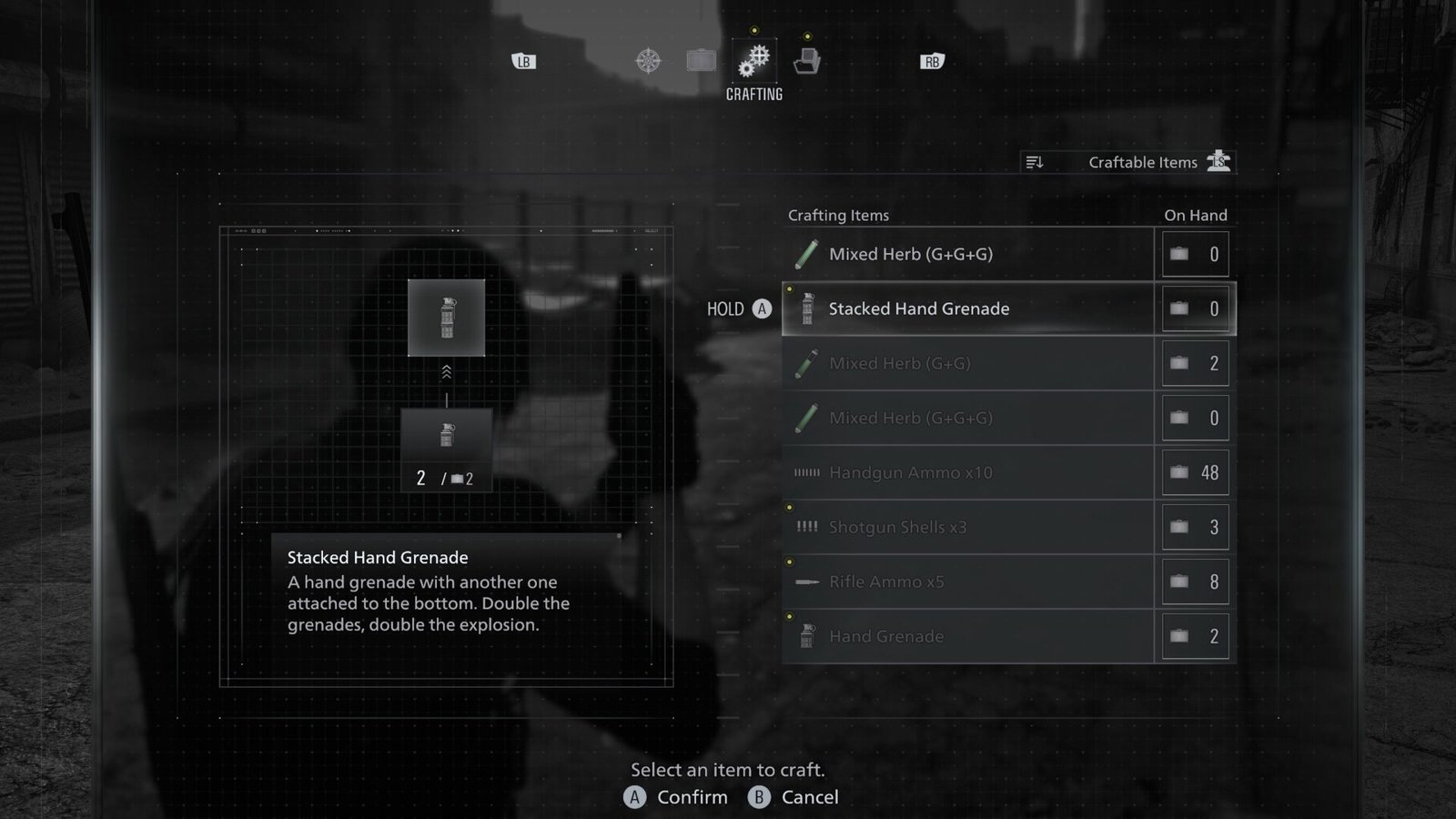
Leon can craft the heavy-hitting stacked grenade to clear out tight groups of enemies at once.
Crafting
Crafting for Leon is functionally the same as it was in the recent Resident Evil reimaginings. Leon can combine scrap he found with other items on hand to create bullets or the life-saving stacked grenade. The stacked grenade does cause friendly fire damage to Leon, so be careful when and where you use it.
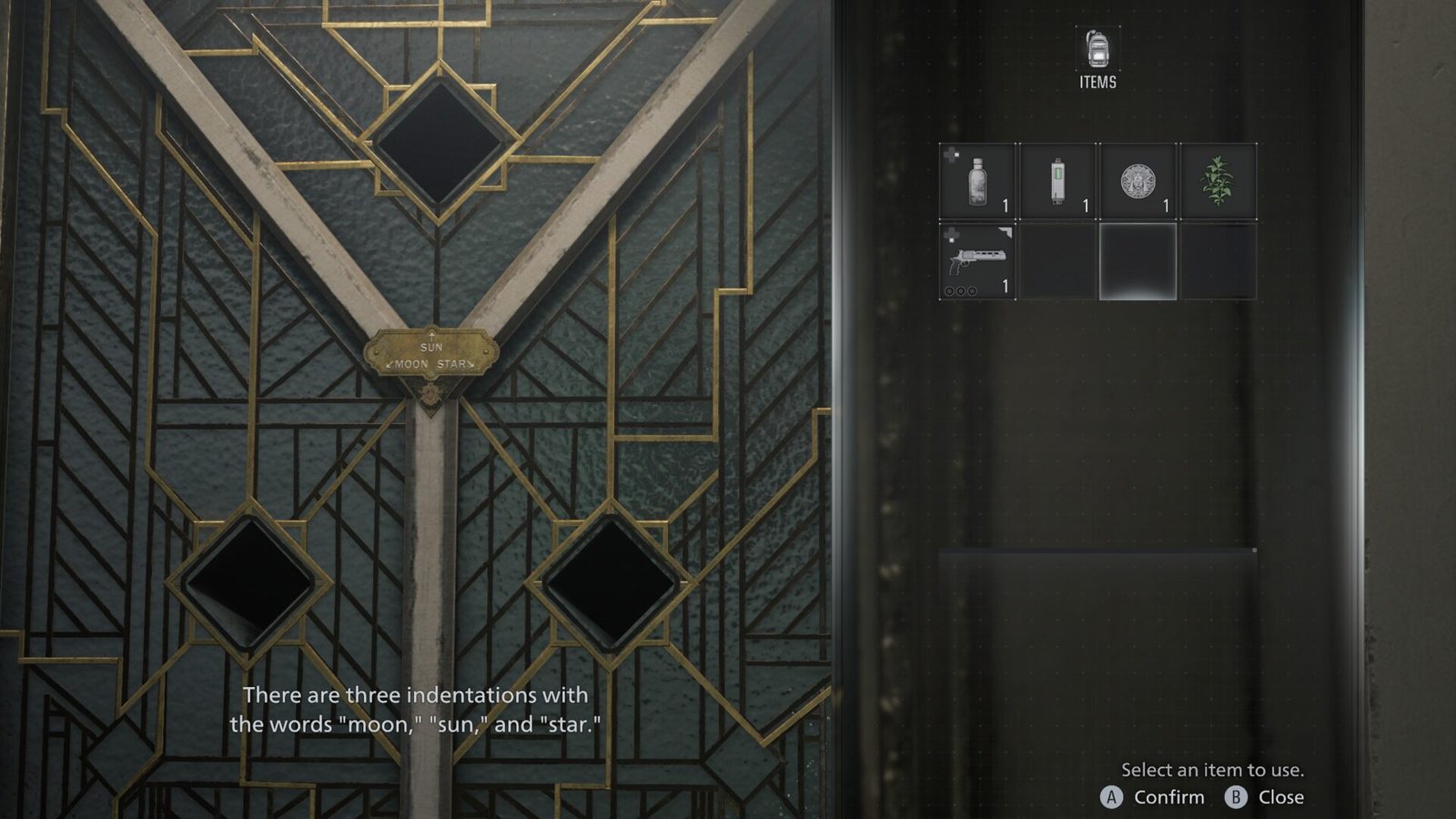
Grace uses the Sun, Moon, and Star items to unlock one of the game’s many mechanical barriers.
Puzzles
These lean into the classic style of finding specific items like crests or keys to progress. Grace handles more intricate, mechanical puzzles that require careful exploration of the environment. Leon’s puzzles are often faster, requiring you to clear obstacles while dealing with enemy pressure.
Status & Healing
Both characters utilize the classic health color indicator: green for Fine, yellow or orange for Caution, and red for Danger. Mirroring the design philosophy of Resident Evil 7, Grace can find permanent upgrades through specialized injections. She uses Stabilizers for increased max health and Steroids for overall damage and stability. These allow her to slowly grow more capable against the oppressive Memory infected.
Story & Writing
The narrative in Resident Evil Requiem successfully moves away from the bloated globe-trotting of the sixth entry to deliver a more focused, personal tale. By centering the story on the contrast between a seasoned veteran and a civilian survivor, the writing creates a grounded perspective on a familiar outbreak scenario.
Leon’s dialogue reflects a man who has seen too much but still retains the dry wit that fans have loved since the 2005 original. His interactions with Grace feel earned rather than forced. Grace herself is the heart of the writing; her struggle with PTSD and her memory of a normal life provide a tragic weight to every encounter. The Memory infected are more than just enemies to shoot; they are narrative tools that show the haunting traces of the people they once were.
Resident Evil Requiem does not aim to be reductive to its lore despite the series going for 30 years strong. It iterates on it instead. Those who are familiar with Resident Evil 7 and Village will find that Requiem serves as the culmination of those events and brings the story of Resident Evil 2 full circle in a much more rewarding way than 6 was able to execute. It finishes on a cliffhanger in modern series fashion, but those that have kept up with reading the lore beyond in-game cutscenes will understand the implications for the series legacy.
Art & Audio
The RE Engine delivers a visual return to form in Resident Evil Requiem, especially within the New Raccoon sectors that bring back the dread of the original R.P.D. through modern photogrammetry. The lighting contrast between the cramped hallways Grace navigates and the open combat zones Leon faces helps define their separate gameplay styles.
The Wrenwood Hotel starting area is a highlight, wearing its Se7en influence openly to create a heavy, oppressive air reminiscent of Silent Hill 4: The Room. Details like weathered doors, audible floor creaks, and ransacked rooms make the setting feel genuinely dangerous. The level of immersion and unease here creates a sense of discomfort that even beats out my first time with the Resident Evil 7: Beginning Hour demo.
Keep your headphones on to catch the subtle shifts in Grace’s environment before they catch you.
Standout tracks:
Ambition
Composed by Nao Sato, this track represents resolve and forward momentum. It plays when Grace first meets a mysterious ally, providing an intense piece that highlights the drive to push ahead.
Deadly Encounter
An intense, six minute masterpiece by Nao Sato and Masahiro Ohki. This track uses aggressive percussion and dissonant strings to sell the high stakes of a major confrontation.
Hope
A rare moment of emotional relief by Shigeyuki Kameda. This track introduces a fragile sense of survival and humanity amid the game’s darkest situations.
Unique Features & Mechanics
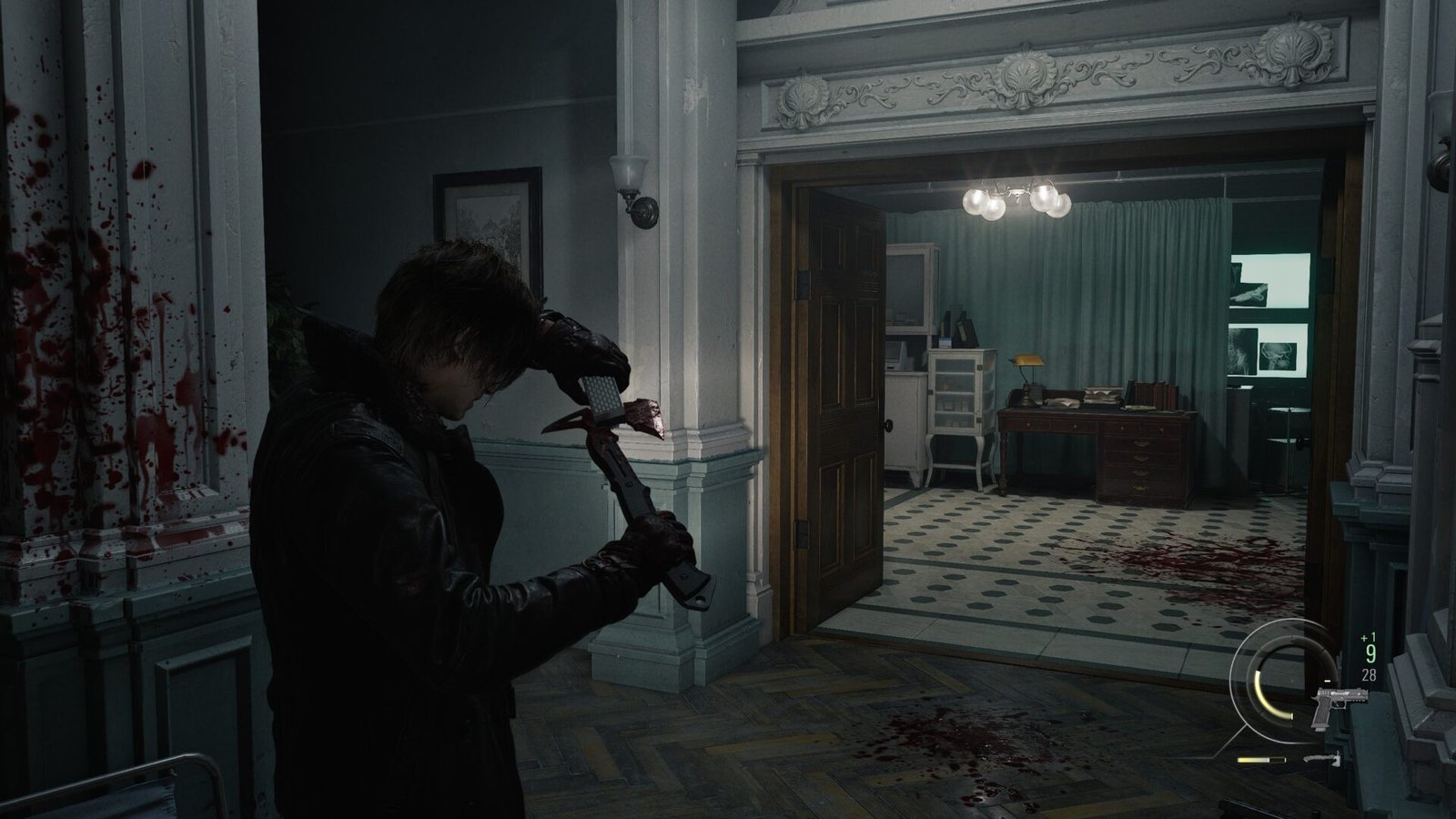
Leon takes a page out of the Monster Hunter playbook to restore his tomahawk’s durability on the fly.
Blade Sharpening
Exclusive to Leon’s gameplay, Leon can take out a whetstone and sharpen his tomahawk with it to restore its durability. This mechanic solves the frustration of the broken knife mechanics that debuted with Resident Evil 2 (2019), while maintaining a fairer since of risk vs reward. The animation and mechanic itself is seemingly used from one of Capcom’s other IPs, Monster Hunter.
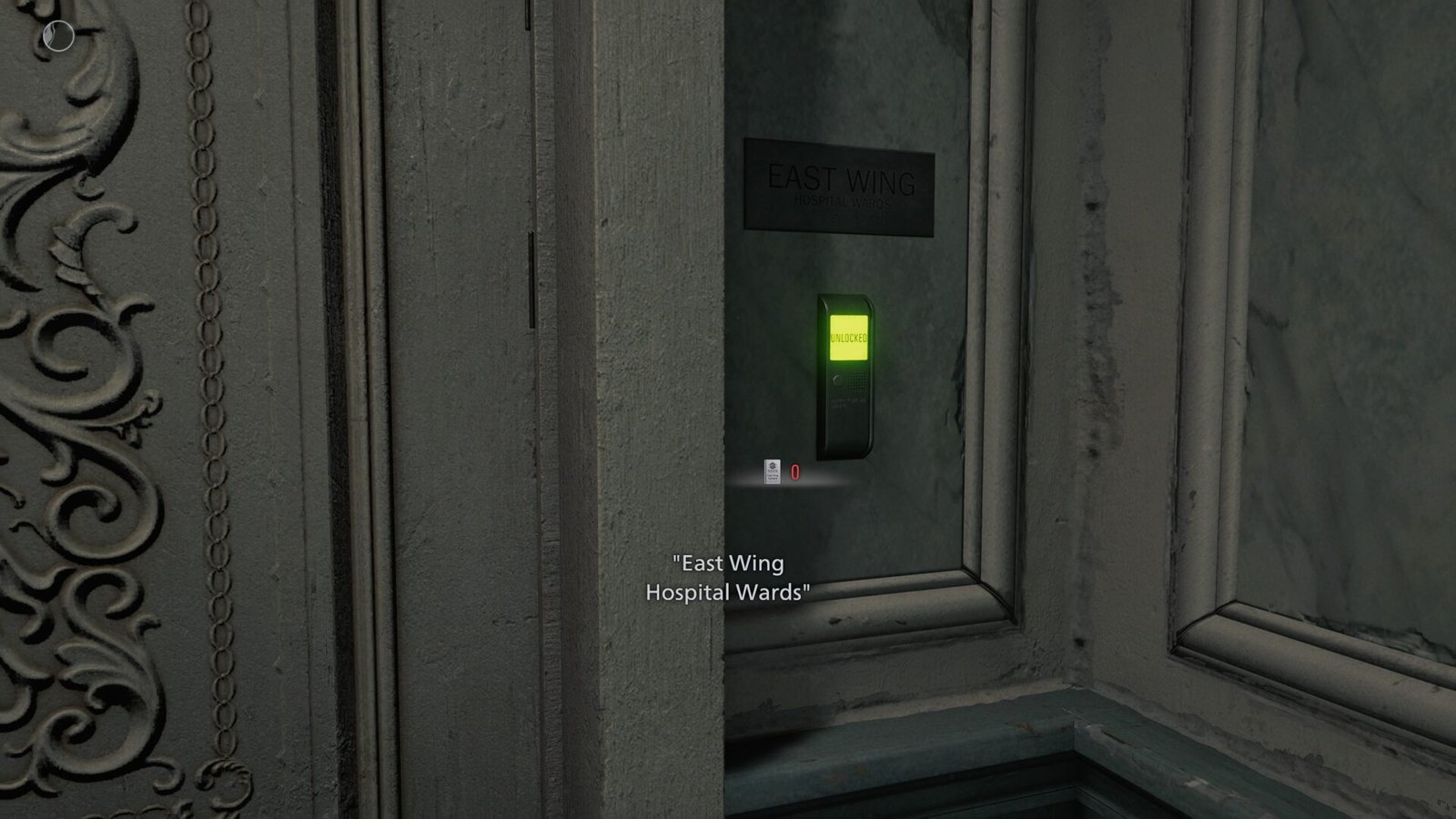
Key items are now automatically discarded once they’ve served their purpose.
Auto Discard
Making its debut with Resident Evil Requiem, Key Items that no longer serve a purpose are automatically discarded, freeing up your inventory and saving you a trip back to the item box or having to manually discard them yourself, or respond to a prompt. This lessens the drop in momentum from moment to moment gameplay.
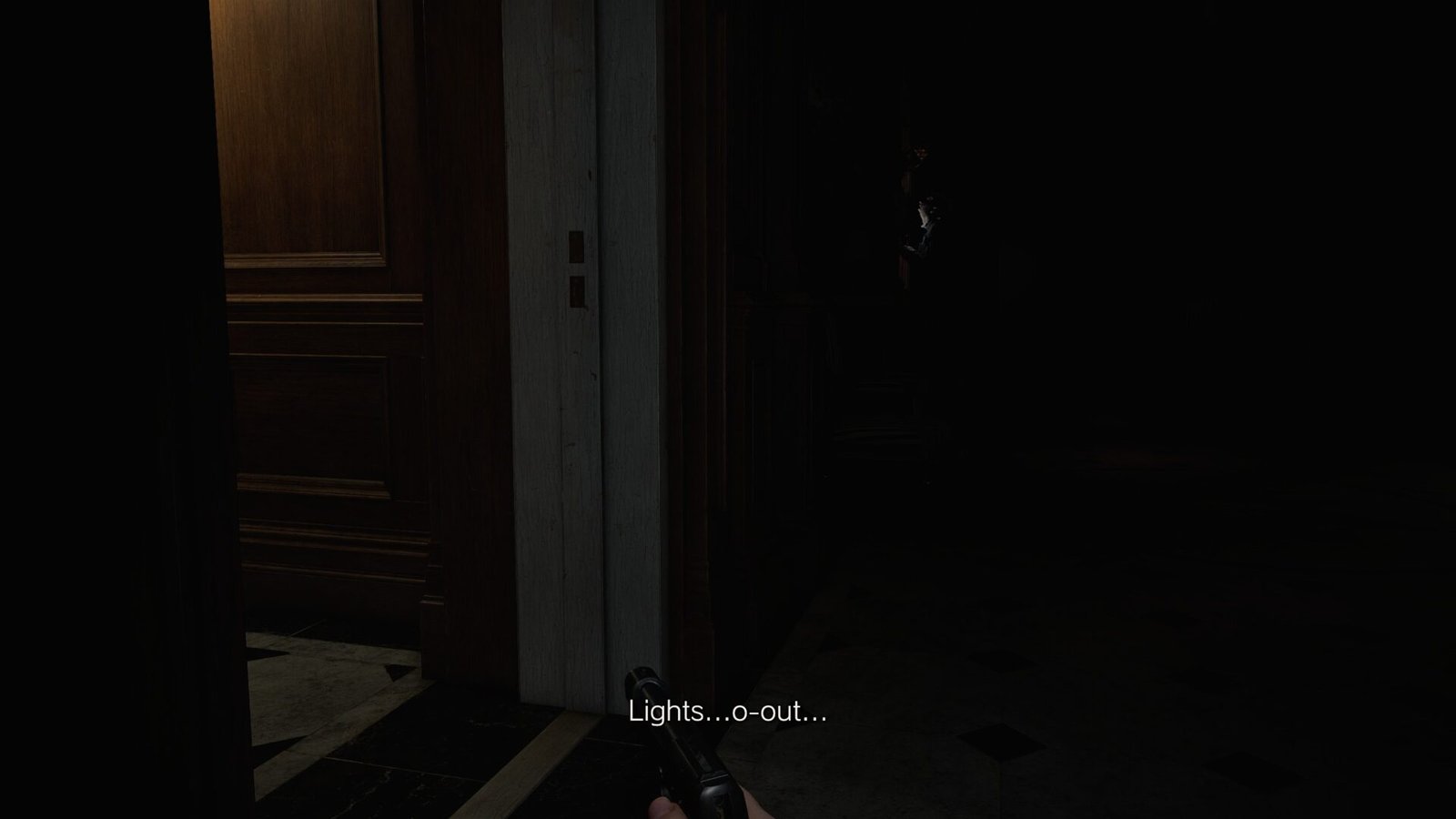
This Memory infected is still obsessed with its former custodial duties, even in the middle of a viral outbreak.
The Memory System
The game introduces a new strain of infected that retain fragments of their former lives, such as performing routine custodial work. These enemies are not mindless; they can use tools, speak, and follow routine behaviors that the player can observe to avoid or manipulate them. This adds a layer of strategy to the gameplay, especially for Grace’s sections, making the analysis of enemy behavioral patterns as rewarding as Hitman.
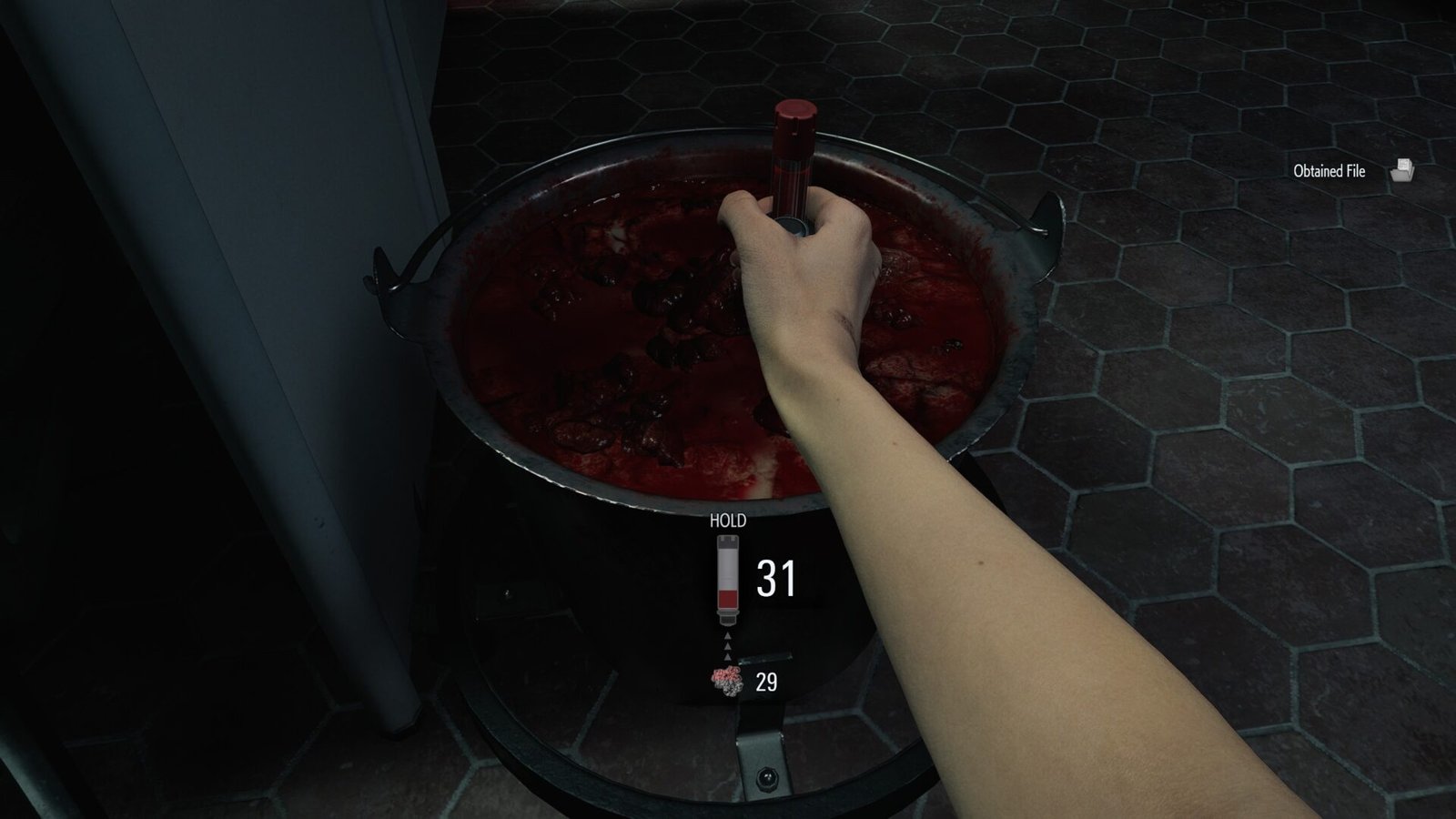
Harvesting infected blood is a messy necessity for crafting the supplies you need to survive.
Blood Synthesis
This new crafting system introduces a calculated risk-reward mechanic to your resource management. Players use specialized injectors to draw blood from fallen enemies to craft essential items, ranging from ammunition to lethal injectors that enable stealth kills for Grace. However, utilizing clean stealth kills prevents the player from collecting this resource, forcing a constant choice between immediate safety and future supplies.
Adaptive Perspectives
Resident Evil Requiem defaults to specific viewpoints, with first person for Grace and third person for Leon, but players can change their perspectives at any point. I found the standard settings the most effective during my playthrough. Grace’s sections are clearly designed with a first person view in mind, allowing the developers to control exactly where you look to create a more oppressive and unnerving atmosphere. Playing in third person may be a better option for those who deal with motion sickness, but there is a clear trade-off in environmental tension.
Seiyuu Performances
The Japanese voice cast delivers a standout performance in Resident Evil Requiem. These seiyuu provide a wide range of emotions, moving between arrogance, resignation, and deep sadness. Toshiyuki Morikawa captures the wisecracking badass energy of Leon from the 2005 version of Resident Evil 4 while still showing a haunted vulnerability when the story demands it.
Shihori Kanjiya portrays Grace with a palpable sense of PTSD, acting as a grounded foil to Leon. Her performance captures the fish-out-of-water struggle of someone trapped in a viral nightmare. Yutaka Aoyama rounds out the cast with an intimidating presence, balancing a serious threat with just enough B-movie bravado to keep things entertaining.
- Shihori Kanjiya (Grace): Setsuko (Rainbow)
- Toshiyuki Morikawa (Leon): Yoshikage Kira (JoJos), Sephiroth (Final Fantasy), Hattori Hanzo (Nioh)
- Yutaka Aoyama (Victor Gideon): Zazz (Sonic), Jerome (Unicorn Overlord), Viktor Vektor (Cyberpunk 2077)
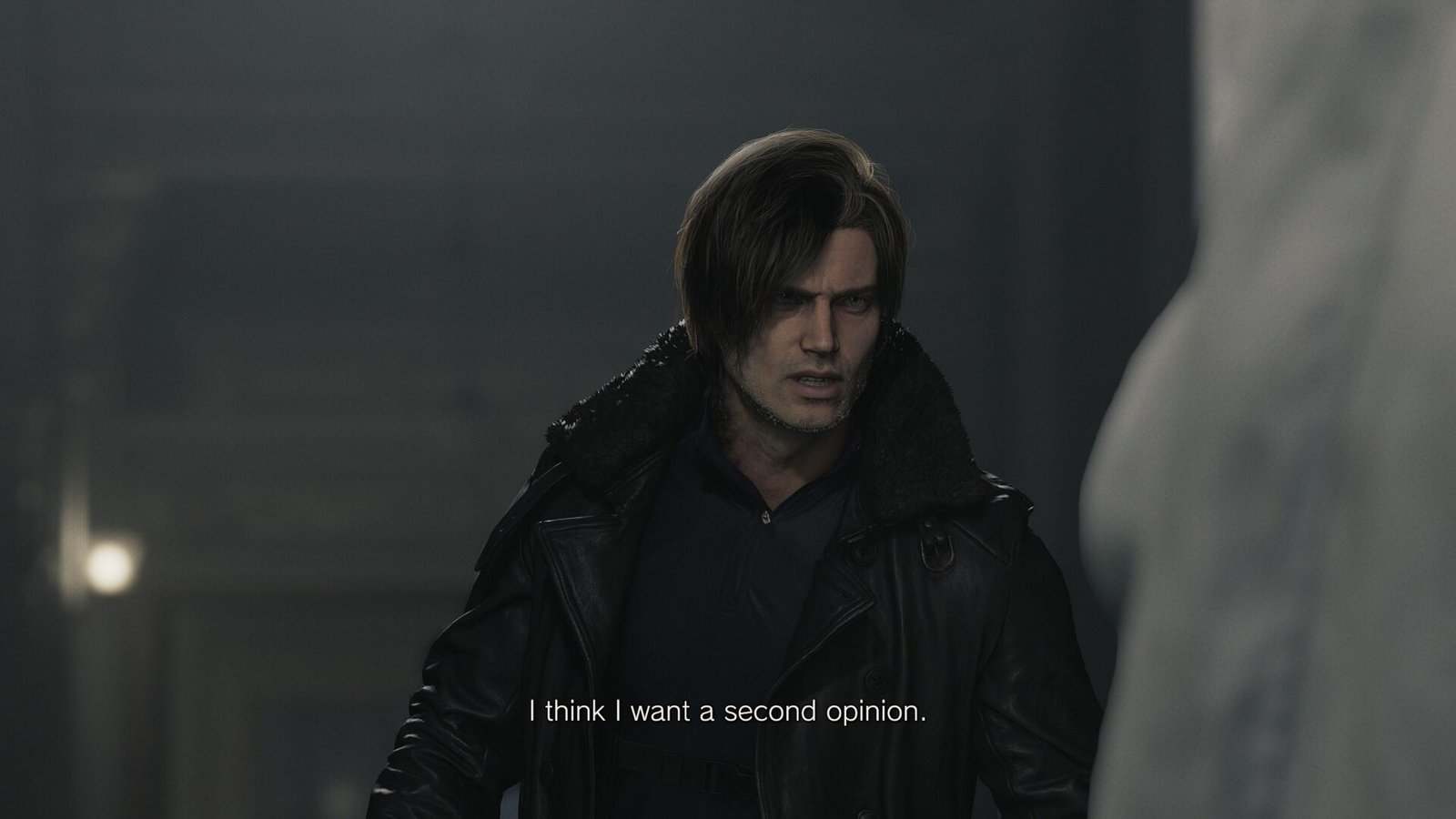
Keep your hatchet sharpened; Leon’s veteran experience is only as good as his blade’s durability.
Resident Evil Requiem‘s Linux Performance
Running Resident Evil Requiem on Nobara using Proton Experimental yields a mostly smooth experience on mixed settings, though it isn’t without its quirks. One specific bug occurred during a timed elevator sequence where the interaction prompt simply wouldn’t trigger.
After several deaths, I discovered that turning subsurface scattering off allowed the prompt to appear correctly. It is a strange contextual glitch, especially since follow-up attacks and other prompted actions worked perfectly fine with the setting enabled. Aside from that specific hurdle, the frame rate remained consistent throughout the playthrough.
Resident Evil Requiem Verdict
Resident Evil Requiem is the game Capcom has been practicing for since 2017’s RE7. By successfully weaving together the DNA of the series’ greatest hits, from the verticality of Resident Evil 4 to the oppressive scarcity of the early classics, it creates an experience that feels both nostalgic and essential. The dual protagonist system is the secret weapon here. Rather than the horror becoming stagnant after the opening hour, the perspective shifts between Grace and Leon act as a reset button for your adrenaline, keeping the tension persistent throughout the entire runtime.
A major triumph of this entry is how it maintains a cohesive direction that works perfectly with the art style, effectively solving the disjointed structure that held back Resident Evil Village. Leon’s gameplay represents a peak refinement of the 2023 RE4 formula, offering the most satisfying parry system and environmental interaction the series has seen. For those playing on Linux (Nobara), the experience is stellar with an AMD GPU, provided you keep an eye on specific contextual glitches like the subsurface scattering prompt bug. Even without visual overindulgence like Ray Tracing, the art direction and photogrammetry deliver a visual treat that holds up against any console counterpart.
After years of remakes and experimental entries, Capcom has proven they still have the heart of a survival horror master. This stands as more than a love letter to the fans who have been here for 30 years. It is the definitive roadmap for the future of the series and a new high water mark for the genre.
Resident Evil Requiem TLDR
Resident Evil Requiem (Linux)
Resident Evil Requiem represents the peak of Capcom’s modern survival horror era. It unites three decades of history into a single, cohesive vision that avoids the disjointed feel of past entries.
The constant shift in perspective prevents tension from fading. The mechanical refinements to combat and exploration offer a new high point for the series.
Tested On
CPU: Ryzen 7 5900X | GPU: AMD RX 9070XT 16GB | RAM: 64GB DDR4 | Storage: Crucial P5 Plus NVMe SSD
OS: Nobara Linux | Resolution: 1440p | Settings: High/Custom | Framerate: Uncapped
References
Interviews
- Capcom, Resident Evil Showcase | 15 January 2026, Official Capcom Europe, Jan 15, 2026.
Live | Archive
Music
- Ambition – Nao Sato. Live | Archived
- Deadly Encounter – Kota Suzuki. Live | Archived
- Hope – Shigeyuki Kameda. Live | Archived