
This article examines game preservation through recent Resident Evil releases.
Recent debates around Resident Evil game preservation show that modern remakes should be second chances, not replacements. As publishers revisit classic franchises, questions about legacy access are getting harder to ignore. Modern reinterpretations often bring technical improvements and a wider reach. Still, they raise concerns about what happens when original releases are no longer easy to find. The Resident Evil series shows this tension better than most.
In recent years, remakes have become the primary way people play classic games. This can help aging titles, but it also risks narrowing how a series is understood. If earlier versions are treated as obsolete, we lose the necessary context. Preservation focuses on keeping creative history accessible, rather than just resisting change.
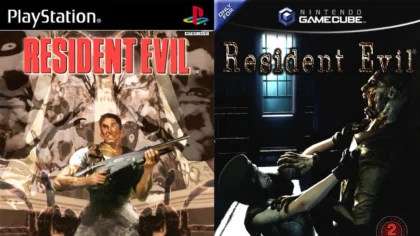
That tension was clear when GOG talked to Capcom about the original Resident Evil trilogy. Marcin Paczynski, GOG’s senior business development manager, told B2B The Game Business that Capcom initially saw the modern remakes as the better experience. They questioned the value of bringing the originals back. After more discussion, the company moved forward. The trilogy launched on GOG to massive success, with user reviews over ninety percent positive. This proved that interest in the original games is still high.
This highlights a problem with Capcom game preservation and the industry at large. Remakes change the design, pacing, and tone. They are not substitutes. Every version represents a specific moment in design philosophy and hardware limits. When originals disappear, a part of the medium’s history goes with them.
This challenge is not just a Capcom issue. Across the industry, original releases are changed, delisted, or locked on old hardware while revisions take over. Fan communities and groups often take the lead on archiving and documenting this history. Their work shows a gap between corporate strategies and the cultural value of games.
The GOG release showed that demand for these games is about more than nostalgia. It is about choice and respect for history. Players want to play the versions that shaped the culture, not just the modern revisions found in the remakes vs originals debate.
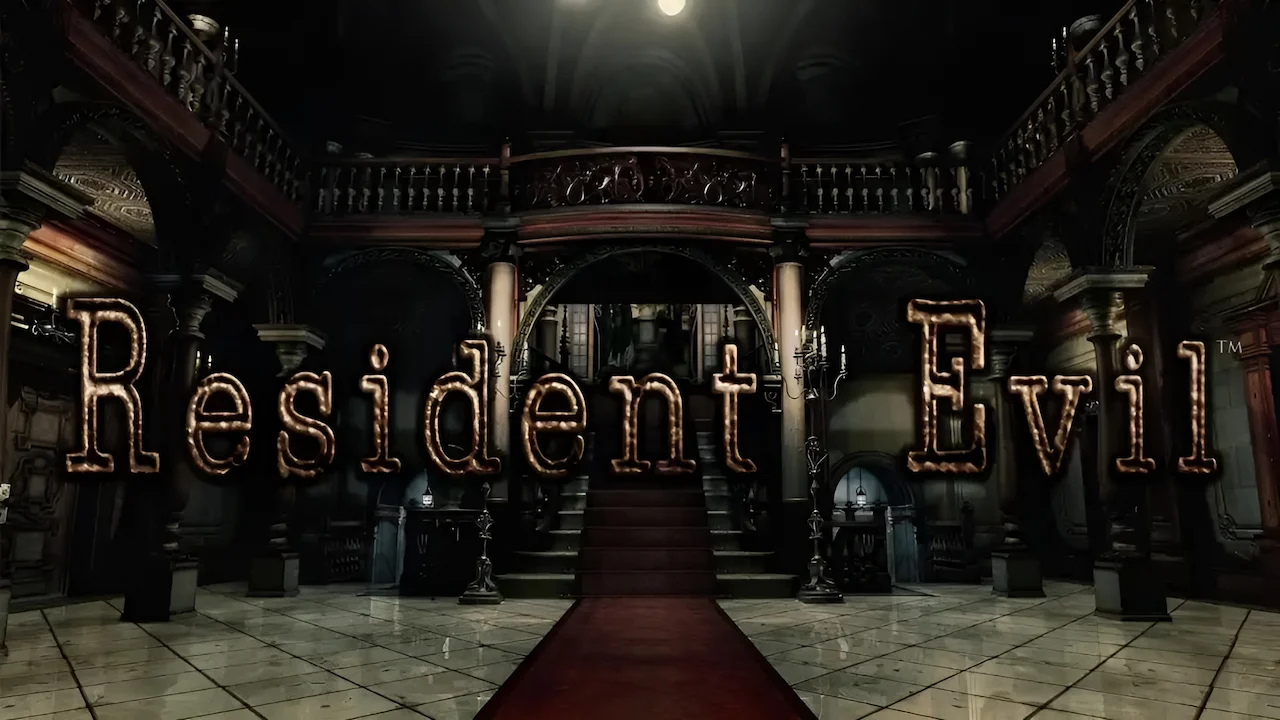
Remakes can preserve history while reaching new audiences. The 2002 Resident Evil remake is a great example. But preservation needs access. Without the originals, reinterpretation turns into erasure. The industry risks losing the memory of how it started.