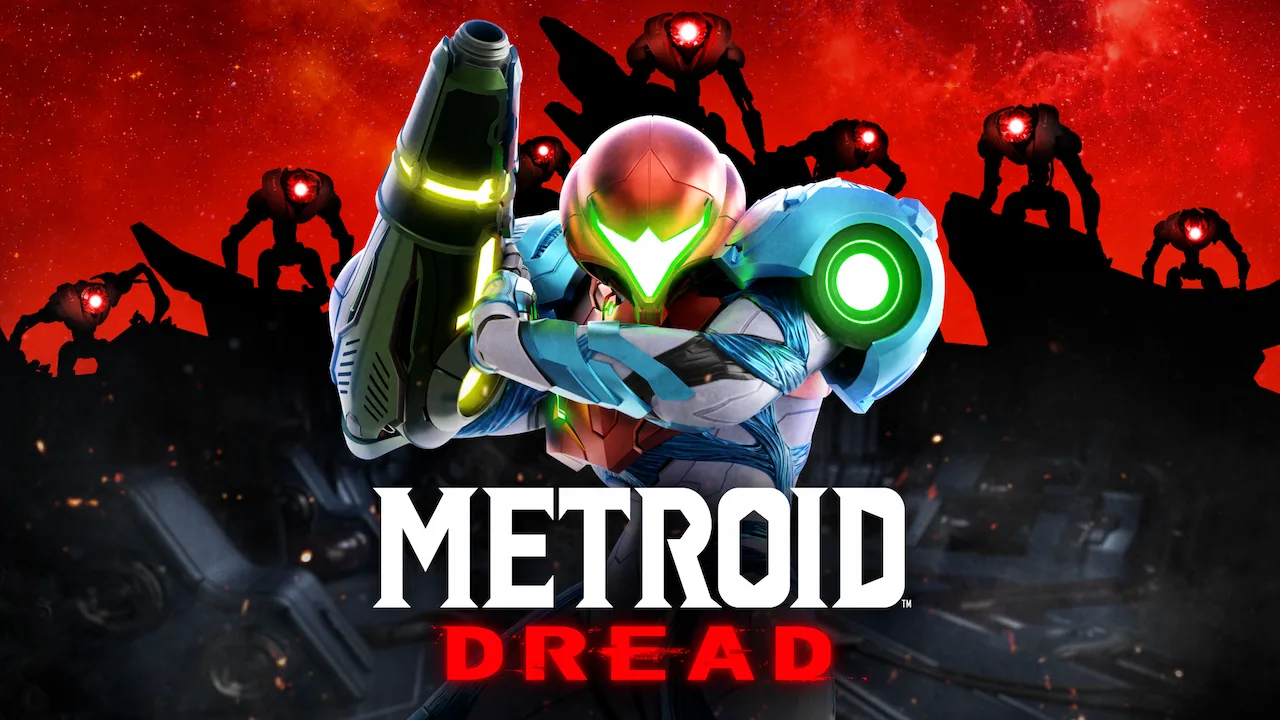
Metroid Dread stands as a masterclass in tension and mechanical precision. It successfully caps off a decades-long narrative arc while pushing 2D action to its absolute limit.
By blending lightning-fast movement with a punishing stealth system, MercurySteam has delivered a high-stakes adventure that honors its roots and rewards players for mastering Samus Aran’s most agile toolset to date.
| Title | Metroid Dread |
| Released | Oct 8, 2021 |
| Developer | MercurySteam Nintendo EPD |
| Publisher | Nintendo |
| Platform |   |
| Genre | Action, Platformer, Metroidvania |
| Rating | T |
| Pricing | $59.99 |
Completed on: Switch 2 (Docked), Normal
HowLongToBeat Time: 9 Hours (Main Story) | My Clear Time: 7h 49m (Main + Extras)
Metroid Dread Background
Metroid Dread was long rumored to follow Fusion, with early plans reaching back to 2002 on the Nintendo DS. The concept stalled when Sakamoto realized the hardware could not support an enemy that hunted the player in real time. He returned to the idea several times, but the project never moved forward.
MercurySteam’s work on Samus Returns showed that they could deliver the kind of movement, combat, and atmosphere this concept needed. Once they joined the project, the ideas that had been waiting for years finally gained momentum. When Nintendo revealed Dread during the June 2021 Direct, the reaction was immediate. A long-speculated project finally existed in a real form.
Metroid Dread launched on October 8, 2021 for Nintendo Switch and went on to become the best-selling game in the series, surpassing three million copies. Free updates later introduced Boss Rush and Dread Mode, showing that MercurySteam did more than ship a long-delayed idea. They shaped it into a confident entry for the series.
The development team for Metroid Dread includes:
- José Luis Márquez Arroyo, Fumihiko Hayashi (Creative Director, Director)
- José: Castlevania: Lords of Shadow series, Samus Returns, American McGee Scrapland
- Hayashi: Samus Returns, Pokémon Art Academy
- Jorge Benedito Chicharro, Yu Yamamoto (Art Director, Illustration)
- Jorge: Castlevania: Lords of Shadow series, Samus Returns
- Yamamoto: Mario Kart 8, Super Mario Bros. Wonder
- Kenji Yamamoto (Music Director): Metroid, Famicom Detective Club,
- Soshi Abe, Sayako Doi (Composers)
- Abe: Legend of Zelda: Breath of the Wild Expansion Pass, Smash Ultimate, Pikmin 3 Deluxe
- Doi: Animal Crossing: New Horizons, Super Mario Maker 2, Splatoon 3
- Yoshio Sakamoto (Producer): Metroid, Kid Icarus, Famicom Detective Club
Metroid Dread Experience
Before replaying Metroid Dread, I had finished every 2D Metroid game other than Samus Returns, along with Prime, Prime Remastered, and Metroid Prime: Hunters.
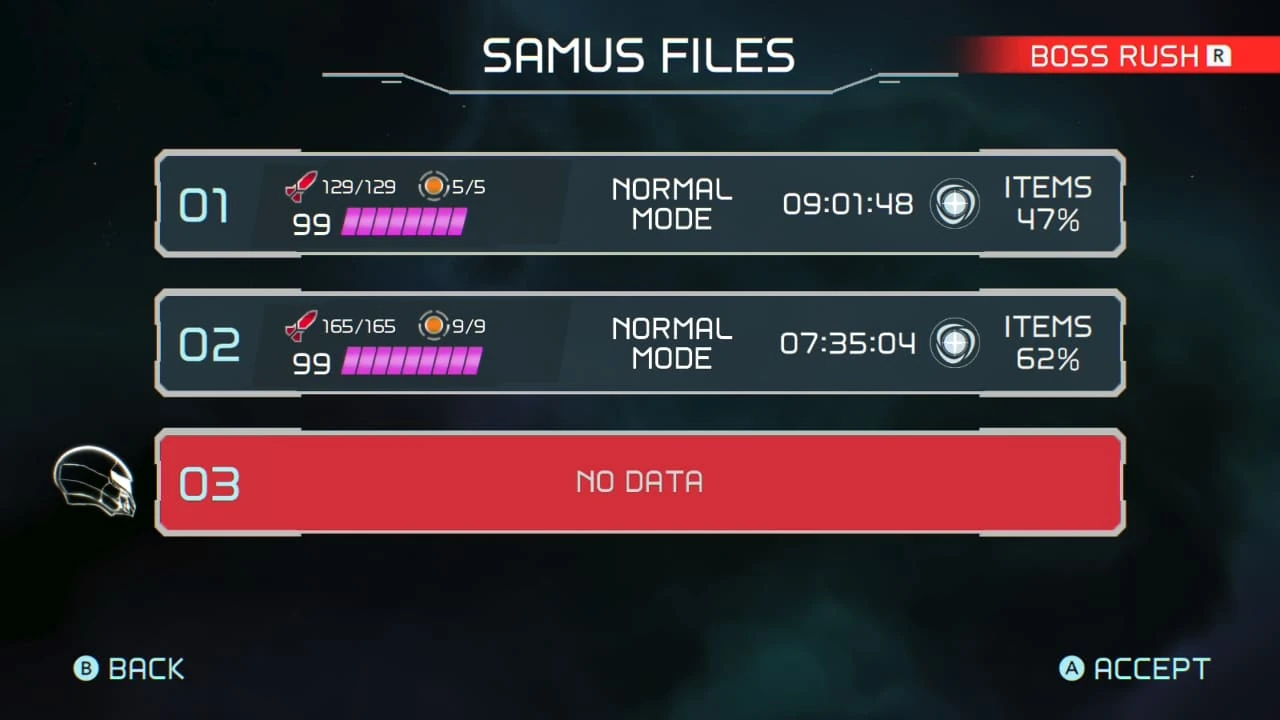
Show off your Metroid Dread skills with these detailed clear-game save files!
Metroid Dread Impressions
Introduction
Dread begins with Samus responding to a signal from ZDR. The situation escalates quickly once she arrives, pushing her deeper into a hostile world filled with corrupted machines and aggressive creatures. Her suit must be restored piece by piece as she works toward the source of the threat.
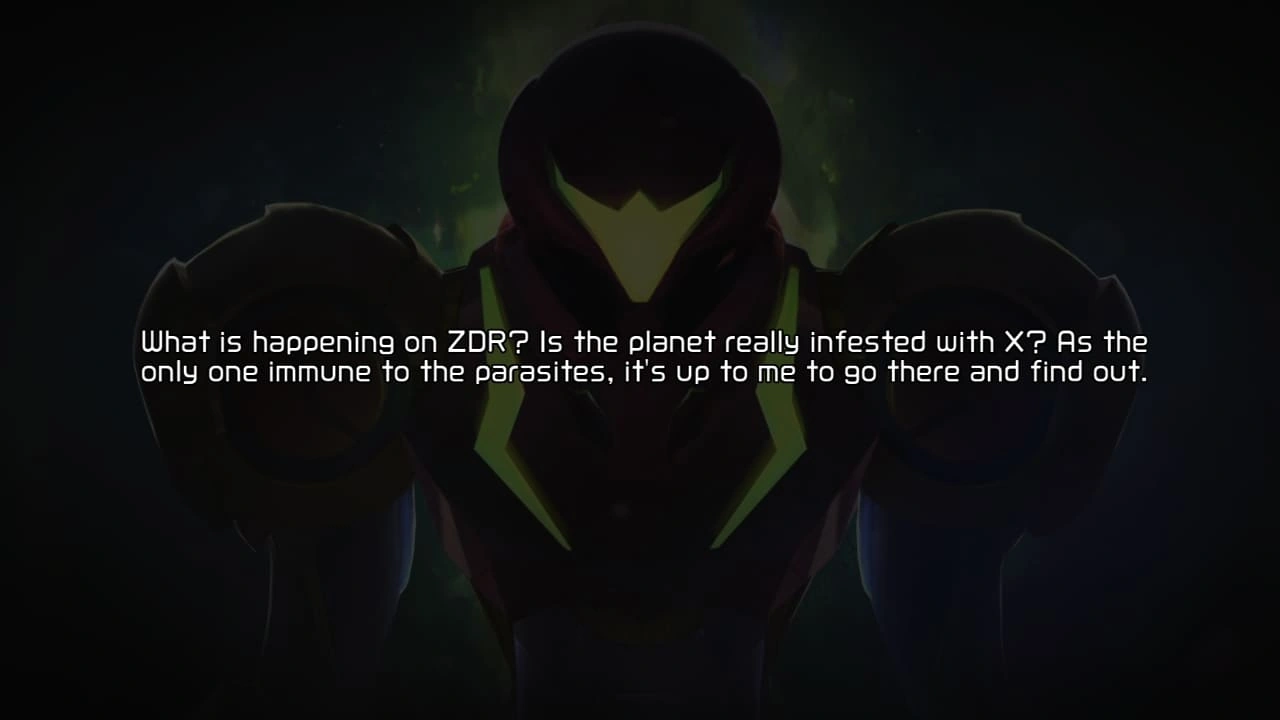
Samus is back in a thrilling, dark new chapter of Metroid Dread!
Gameplay & Mechanics
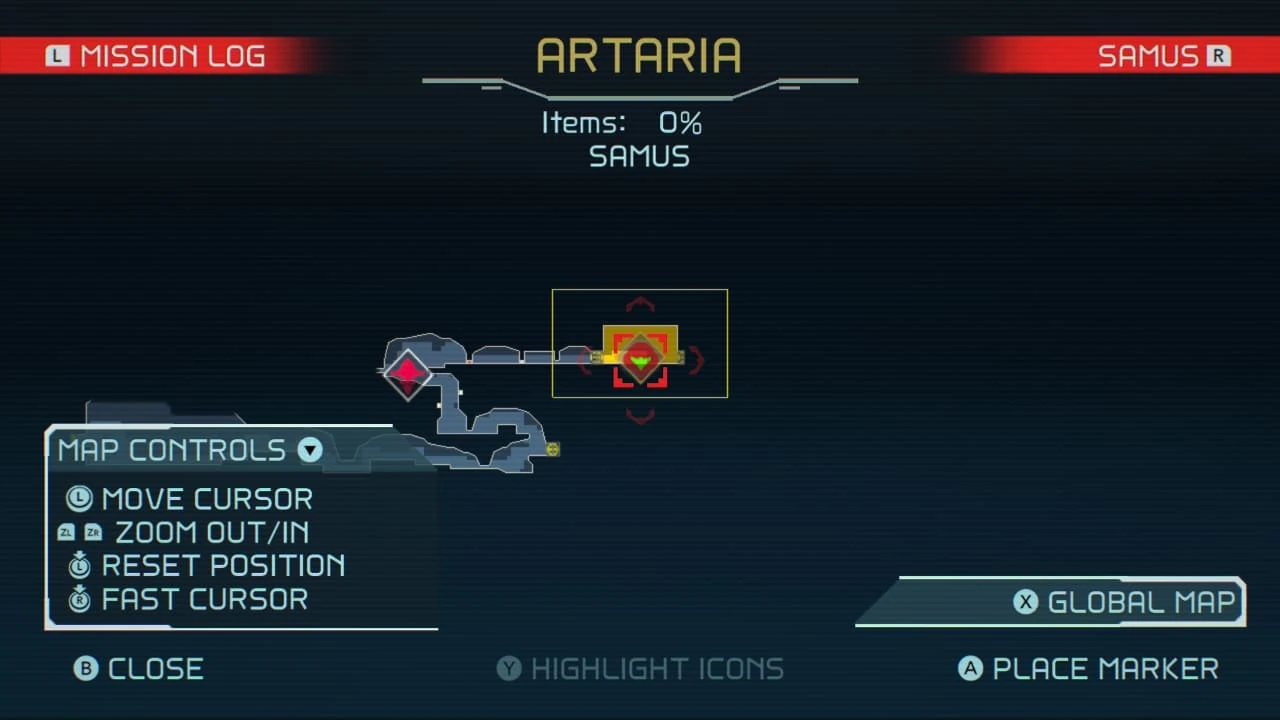
The interface for Metroid Dread keeps track of every door and collectible you’ve seen.
Map System
The map retains the clarity the series is known for, with the marker feature from Samus Returns making navigation easier. Any upgrade or collectible you spot stays on the map even if you cannot grab it at that moment.
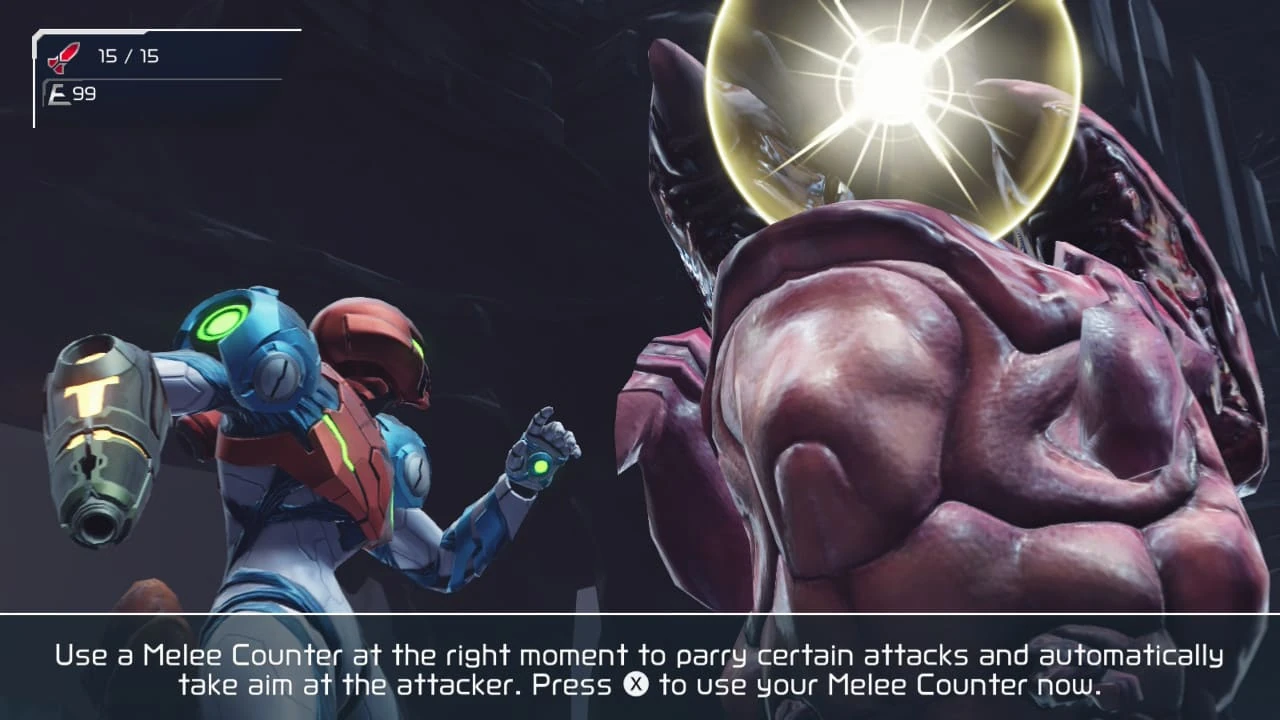
The Melee Counter is your key to mastering combat in Metroid Dread.
Parry / Counter
The parry from Samus Returns returns here with sharper timing. A successful counter stuns enemies and rewards health or missiles, pushing players to learn patterns and commit to timing.
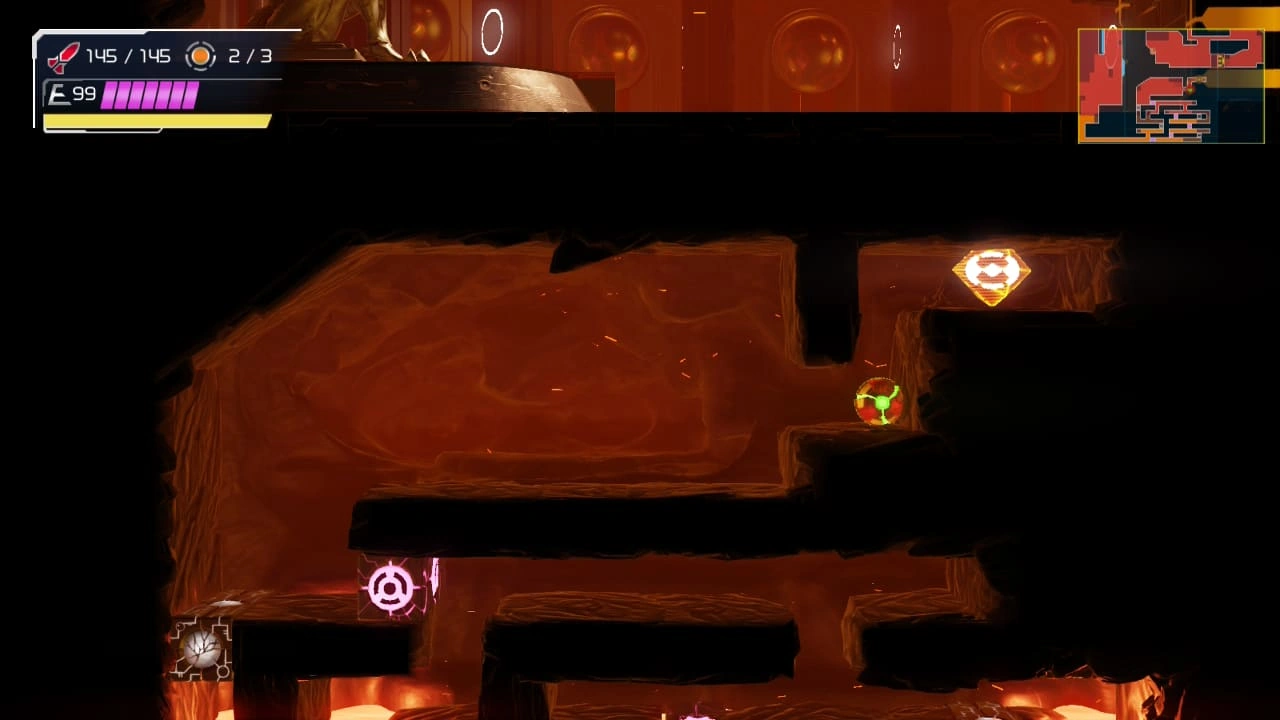
True Metroid Dread mastery means finding every single hidden upgrade!
Exploration/Backtracking
ZDR reveals itself slowly as upgrades unlock new routes. Progression encourages multiple returns to earlier zones, each visit offering something new.
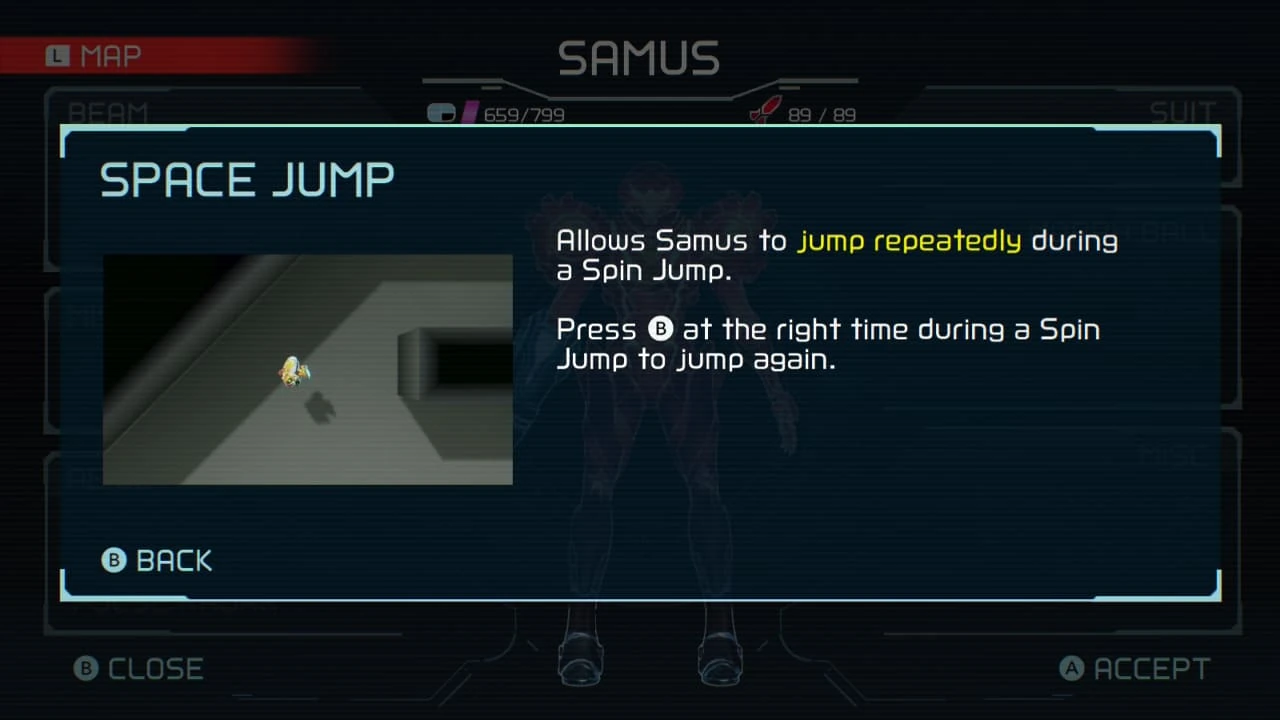
The classic Space Jump returns, allowing for unlimited air control in Metroid Dread!
Suit Upgrades & Abilities
Progression is gated by upgrades such as the Morph Ball and Grapple Beam. These enhance combat and unlock movement options needed to access new areas. Hidden Energy Tanks increase health, while Missile Tanks boost projectile capacity, both crucial for surviving late-game challenges.
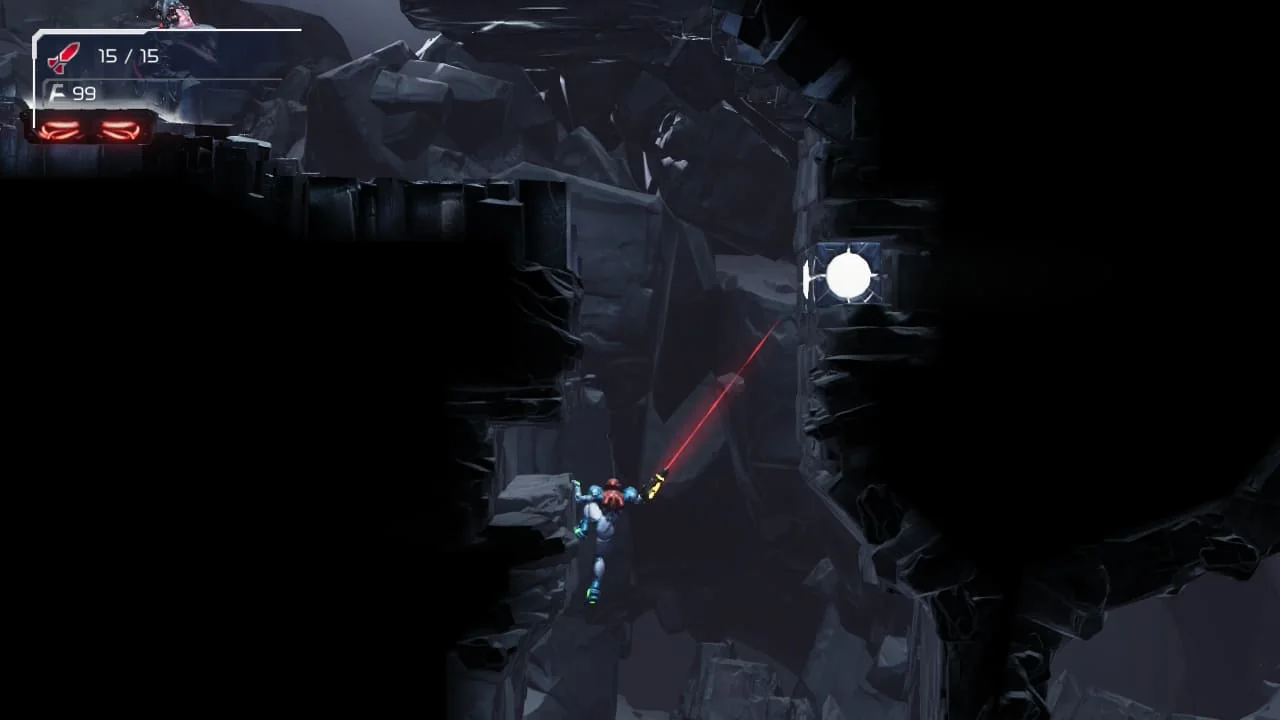
Shoot out those destructible blocks to find your vertical path in Metroid Dread.
Platforming & Movement
Precise 2D platforming demands jumping, dashing, wall-jumping, and using the Speed Booster to navigate hazards. Combat is equally precise. Samus’ Arm Cannon handles rapid-fire attacks, supported by limited-use Missiles and charged shots that break specific blocks.
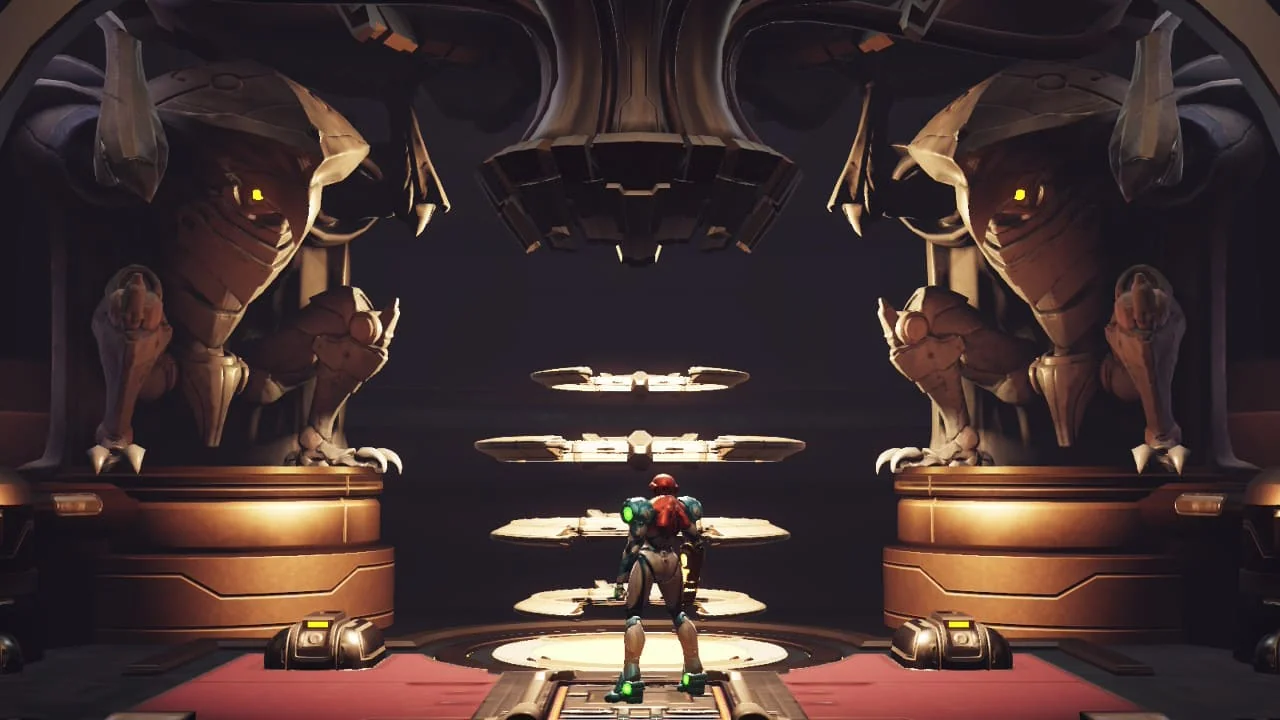
Head to a Save Station to heal up and preserve your progress in Metroid Dread.
Save & Map Stations
Save Stations are scattered throughout ZDR and must be used manually, adding tension. Map Rooms instantly upload area layouts to the map system, streamlining exploration.
Unique Mechanics
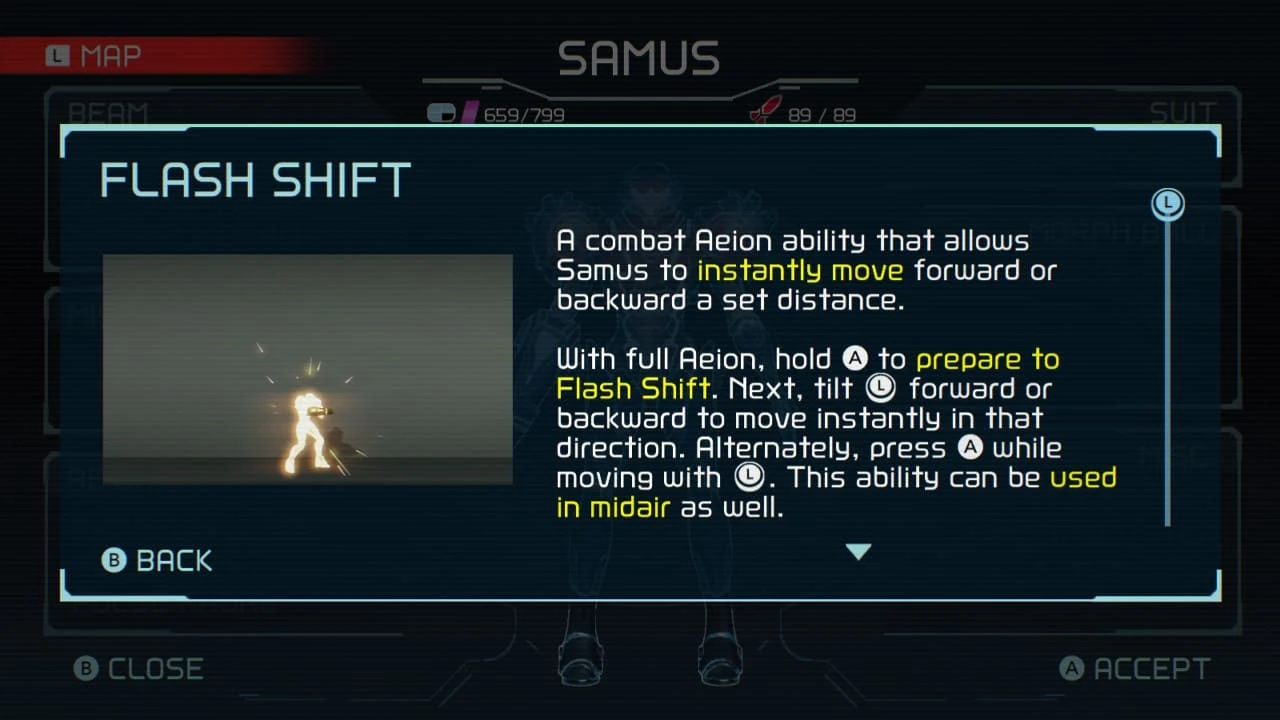
Unlock the Flash Shift and cut seconds off your Metroid Dread time
Flash Shift
Flash Shift lets Samus zip forward or backward twice. It works during combat as well as traversal, helping you slip past threats or reach platforms faster.
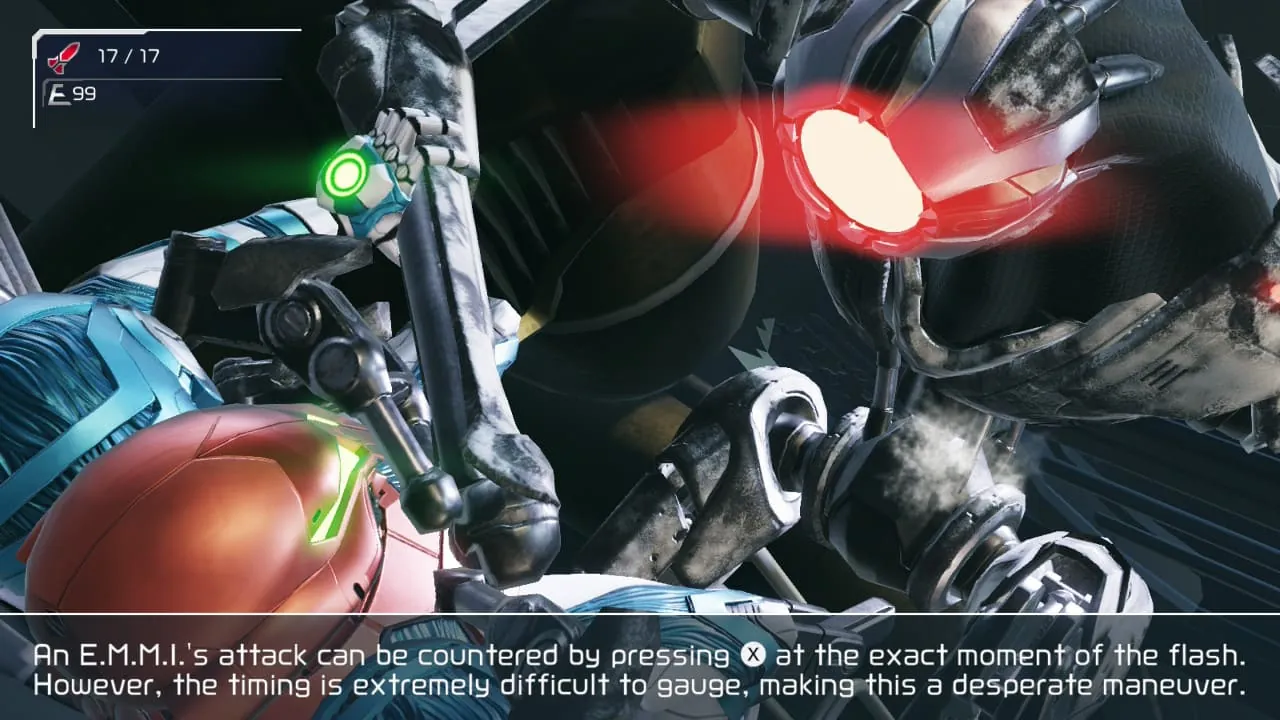
An E.M.M.I.’s grasp means instant doom unless you hit that counter just right!
EMMIs
These machines patrol restricted zones and eliminate Samus instantly if caught. Each encounter forces careful planning and quick reactions.
Sequence Breaking
Players skilled enough to reach abilities early can alter boss behavior and unlock new tactics. Dread quietly encourages this kind of experimentation.
Story & Writing
Dread follows the events of Fusion and sends Samus to a world filled with signs of decay. The writing stays minimal. Short scenes set the tone while the environment carries most of the weight. Broken corridors, flickering devices, and quiet rooms do as much storytelling as dialogue.
Tension builds naturally as Samus pushes deeper into ZDR and learns more about the signal that brought her there.
Art & Audio
ZDR’s regions feel distinct. Cataris burns with molten color. Burenia lights up with cool underwater glow. Dairon mixes steel, shadows, and quiet machinery. Artaria feels abandoned with its stormed labs and broken halls. Samus fits cleanly within these spaces thanks to sharp animation and strong lighting work.
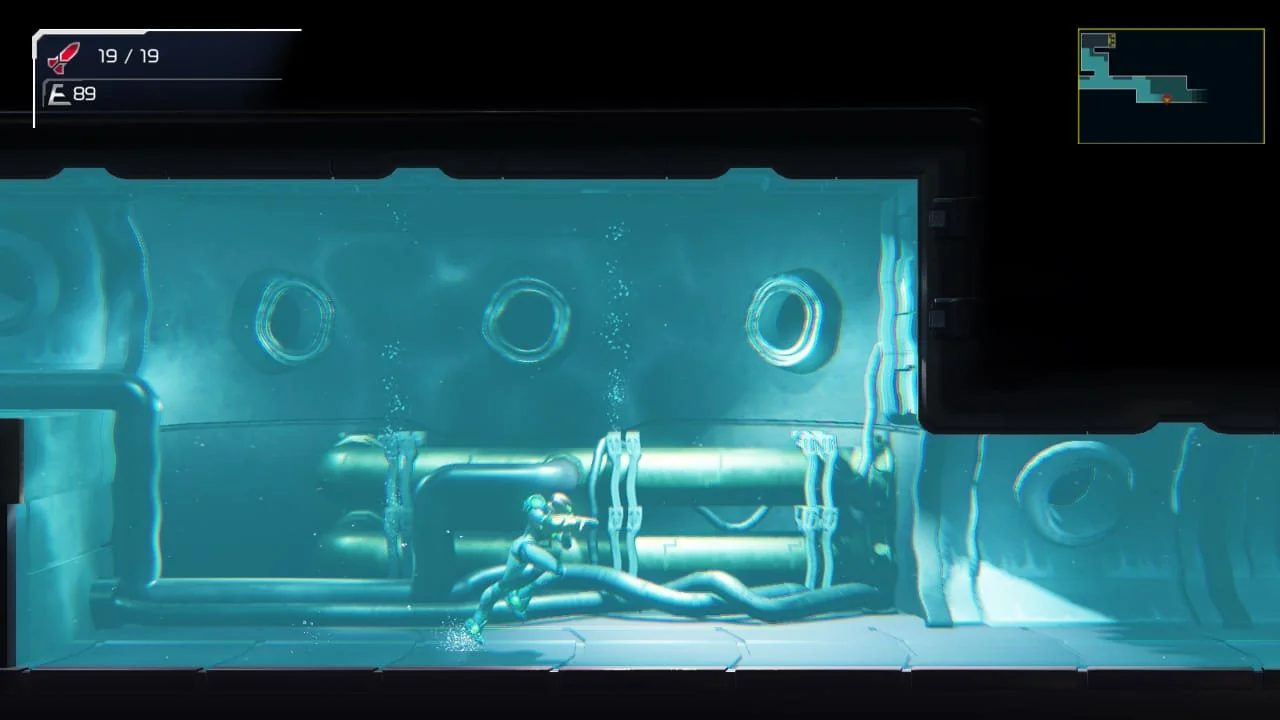
The gorgeous art direction in Metroid Dread brings the 2D action to life.
Audio brings the world together. Ambient synths, machine echoes, and subtle cues guide your attention. Surround sound makes each EMMI ping feel close. Parry snaps hit with clarity. Missiles land with full impact.
Standout tracks:
Samus Theme
Haunting orchestral motif emphasizing determination.
Title Screen
Classic melody remixed with mechanical pulses that ground players in ZDR.
Dairon
Industrial beats that shift to silence during EMMI encounters for tense relief.
Metroid Dread Switch 2 Performance
The eShop lists Metroid Dread’s performance as “consistent with the original Switch release,”. On Switch 2, it improves further. Burenia frame dips from my 2022 playthrough are gone. The game runs at 900p/60fps docked, 720p handheld, with zero stutters, even during boss fights.
Load times are noticeably faster, especially for digital copies. Shinesparkers reports the first load screen at 17 seconds versus 25 seconds on the original Switch. Physical cartridges see smaller gains of 2–3 seconds, but it is still a welcome improvement.
Metroid Dread Verdict
Metroid Dread delivers a sharp and confident return for the series. EMMIs create a sense of pressure that stays strong across the entire game, while the fast and reliable movement rewards practice. The combination of the Flash Shift, parry timing, and slide gives Samus a toolset that encourages constant experimentation through every encounter.
Boss encounters stand out with clear patterns and satisfying skill checks, and while a late-game stretch of Shinespark puzzles leans toward strict execution, it never overshadows the larger experience. ZDR’s worlds look striking, backed by music that respects the past while leaning into a colder tone. The story closes the original arc perfectly, respecting both long-time fans and new players while maintaining smooth performance and quick loading on Switch 2.
Metroid Dread TLDR
Metroid Dread (Switch 2)
Metroid Dread offers precise combat, strong movement, tense stealth, and a world that supports every step.
Its visual identity, audio work, and smart design choices build one of the most complete 2D entries in the series.
References
- Metroid Dread – Announcement Trailer
- Metroid Dread – Development History – Nintendo Switch | E3 2021
- Samus Theme
- Title Screen
- Dairon
- Irene. (2025, June 6). Metroid’s speedrun communities reveal how the games perform on Switch 2. Shinesparkers.
- Stein, S. (2021, October 9). Metroid Dread’s creator on life among the Metroidvanias. CNET.