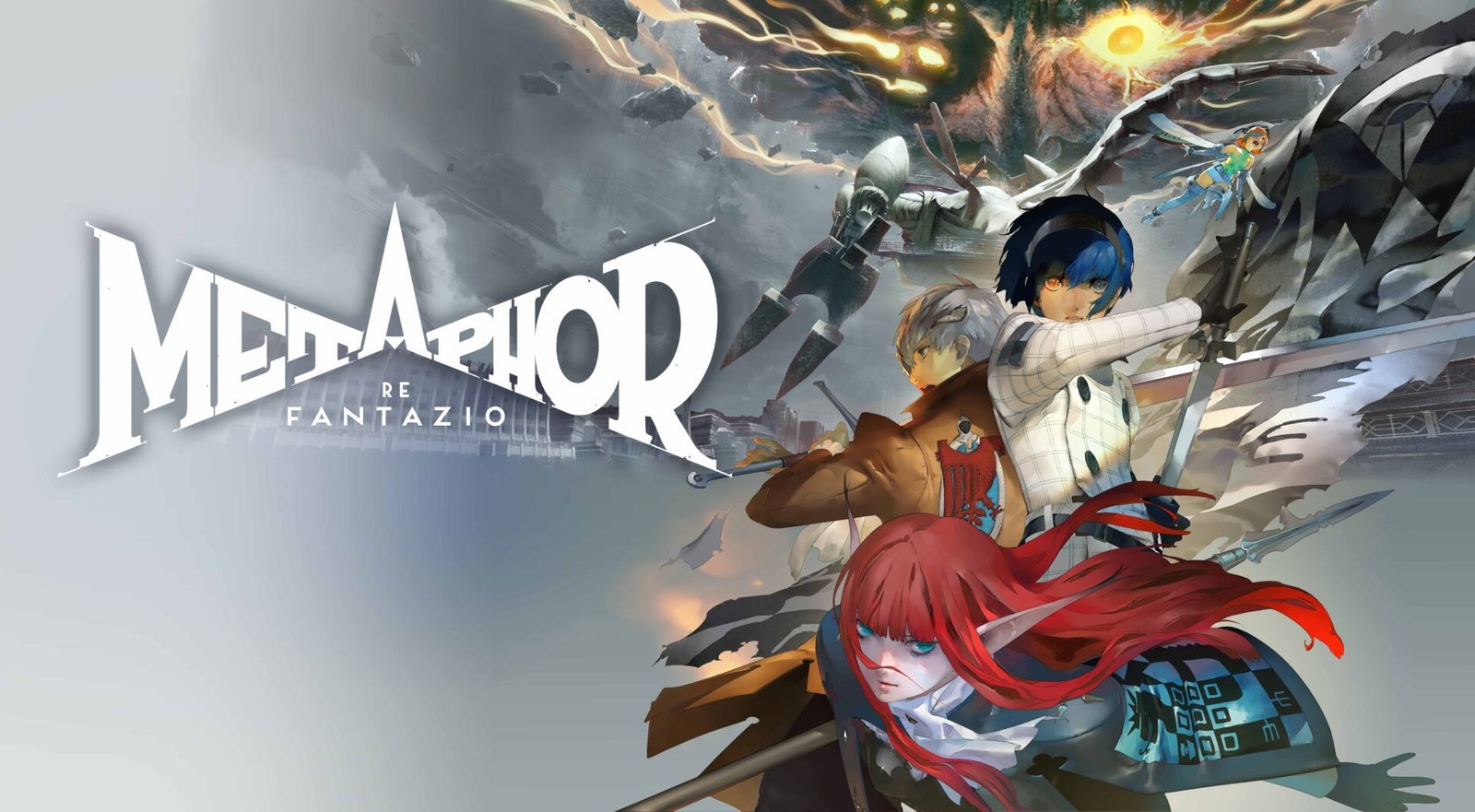
Metaphor: ReFantazio focuses on a mature fantasy narrative that moves away from the modern settings often associated with recent hits. The experience pairs inventive, flexible gameplay mechanics with a powerful soundtrack that provides a constant sense of momentum throughout the journey.
Exceptional writing and a commitment to experimental design show that the most ambitious days of the studio are still happening. It is a rare title that manages to truly capture the spirit of the Index era.
| Title | Metaphor: ReFantazio |
| Released | October 11, 2024 |
| Developer | ATLUS |
| Publisher | SEGA |
| Platform |       |
| Genre | JRPG, Turn-Based |
| Rating | M |
| Pricing | $69.99 |
| Proton | 9.0-4 |
Completed on Xbox Series X on Normal
HowLongToBeat Time: 80½ Hours (Main + Sides) | My Clear Time: 86h 42m
Background: The Roots of Metaphor: ReFantazio
Released on October 10, 2024, Metaphor: ReFantazio represents a bold new direction for Atlus, blending traditional fantasy with modern social commentary. Director Katsura Hashino shared that after the completion of Persona 5, he felt the need to move beyond the familiar world of modern-day settings. He wanted to break free from contemporary norms and explore new narratives.
Hashino on the Game’s Direction
“After Persona 5, I realized I had spent over 10 years on the series. While Persona and Megami Tensei were thriving, I wanted to create something new. I didn’t want to be confined by modern societal expectations, so we chose fantasy as the lens to explore more complex themes”
(Archipel, 2024).
This ambition to break free from conventional storytelling led the team to reevaluate classic fantasy RPGs, like Wizardry, Dragon Quest, and Final Fantasy. Rather than looking at modern fantasy trends, Hashino wanted to explore what made the genre so compelling in the first place (Archipel, 2024).
The team at Studio Zero explored not only fantasy but also the perception of the genre in Japan, drawing from their experiences with Dungeons and Dragons and tabletop RPGs. By revisiting the early roots of the genre and its core appeal, they sought to infuse Metaphor: ReFantazio with a sense of nostalgia while still presenting something fresh.
Ultimately, the goal was to create a game that didn’t just replicate fantasy tropes but made the genre resonate with players in new ways, by challenging preconceptions and introducing more nuanced themes (Archipel, 2024).
Hashino on Fantasy’s Appeal
“I had never really wondered how to define fantasy as a genre. For people of my generation, Wizardry comes to mind, followed by Dragon Quest and Final Fantasy. I found it interesting to research why fantasy is so popular, even though many players can’t pinpoint exactly why they enjoy it”(Archipel, 2024).
By going back to the roots of fantasy, Metaphor: ReFantazio aimed to balance traditional RPG elements with fresh, original takes, creating a world where unique challenges and ideologies could flourish, free from the constraints of modern-day settings (Archipel, 2024).
The development team for Metaphor: ReFantazio includes:
- Yuichiro Tanaka (Writer)
- Known for Persona 3, Persona 4, Shin Megami Tensei: Devil Survivor – Overclocked, Shin Megami Tensei III: Nocturne
- Katsura Hashino (Director)
- Known for Maken X, Persona 3: FES, Persona 4, Persona 5: Royal, Devil Summoner: Soul Hackers
- Shigenori Soejima (Character Designer, Art Director)
- Known for Devil Summoner: Soul Hackers, Shin Megami Tensei III: Nocturne, Persona 3, Persona 4, Catherine, Persona 5
- Shoji Meguro (Composer)
- Known for Persona, Maken X, Catherine, Shin Megami Tensei: Digital Devil Saga 1 & 2.
- Junichi Yoshizawa (Producer)
- Known for Freedom Wars, Patapon 1-3, Ape Escape: On The Loose
Metaphor: ReFantazio Experience
My experience with Atlus games spans across several key titles, including Persona 3, Persona 4, Persona 5, and Shin Megami Tensei V. Each of these titles has its own distinct flavor of tactical combat, character-driven storytelling, and immersive world-building. Through my playthroughs, I’ve developed a keen understanding of Atlus’s signature approach to blending narrative complexity with strategic gameplay.
This background gives me a unique perspective on Metaphor: ReFantazio, as the game builds upon those familiar tropes while introducing new systems and mechanics that feel like a return to form for the studio.
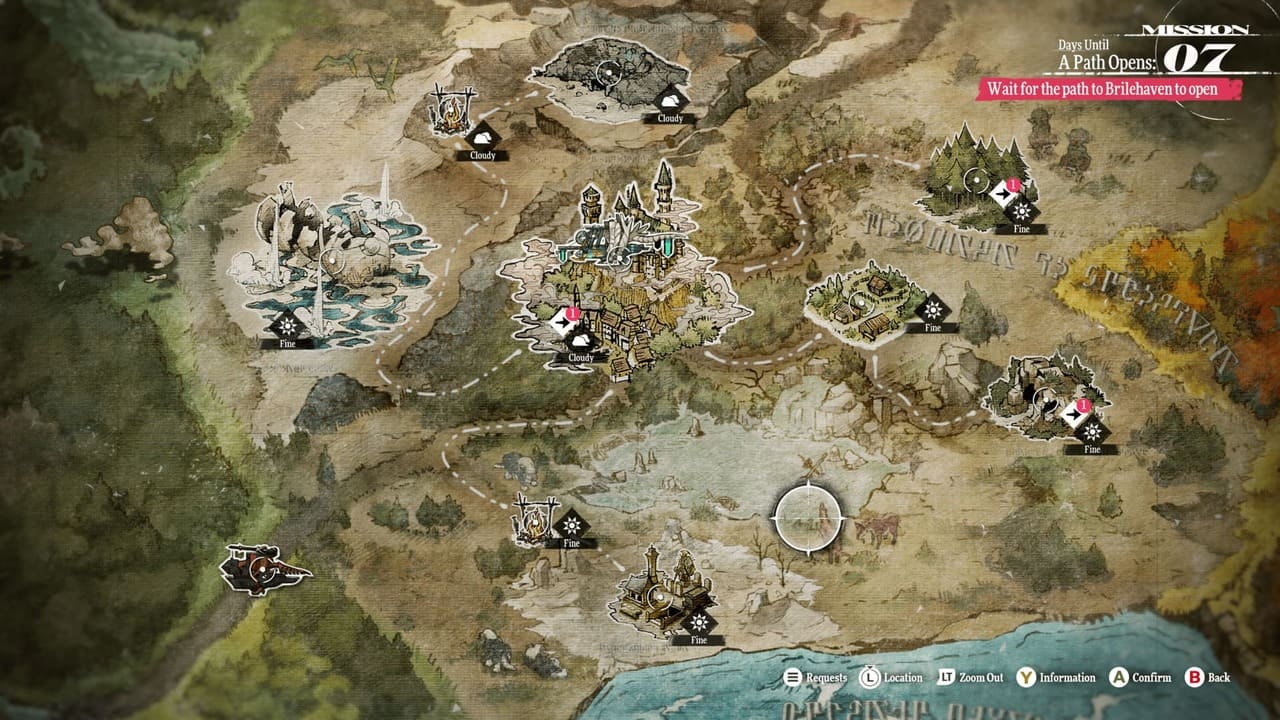
Strategic planning meets narrative tension—Brilehaven awaits.
Metaphor: ReFantazio Impressions
Introduction
In Metaphor: ReFantazio, the kingdom is on the brink of chaos. Following the assassination of the king, the throne remains vacant, and to determine the new ruler, a unique election is held. But this election isn’t based on votes or policy debates, it’s a tournament of trials where each candidate must fight to prove their worth. As the player journeys alongside these contenders, they uncover a world rife with corruption, fanaticism, and ambition. The story builds from an election scenario into a deeper reflection on power, morality, and the political system itself.
This setup echoes Persona 2 in its mature exploration of social themes, including systemic corruption, the manipulation of power, and personal ambition. In this election, power is both a tool and a weapon, and the personal conflicts and ambitions of the candidates mirror the kingdom’s decaying structure.
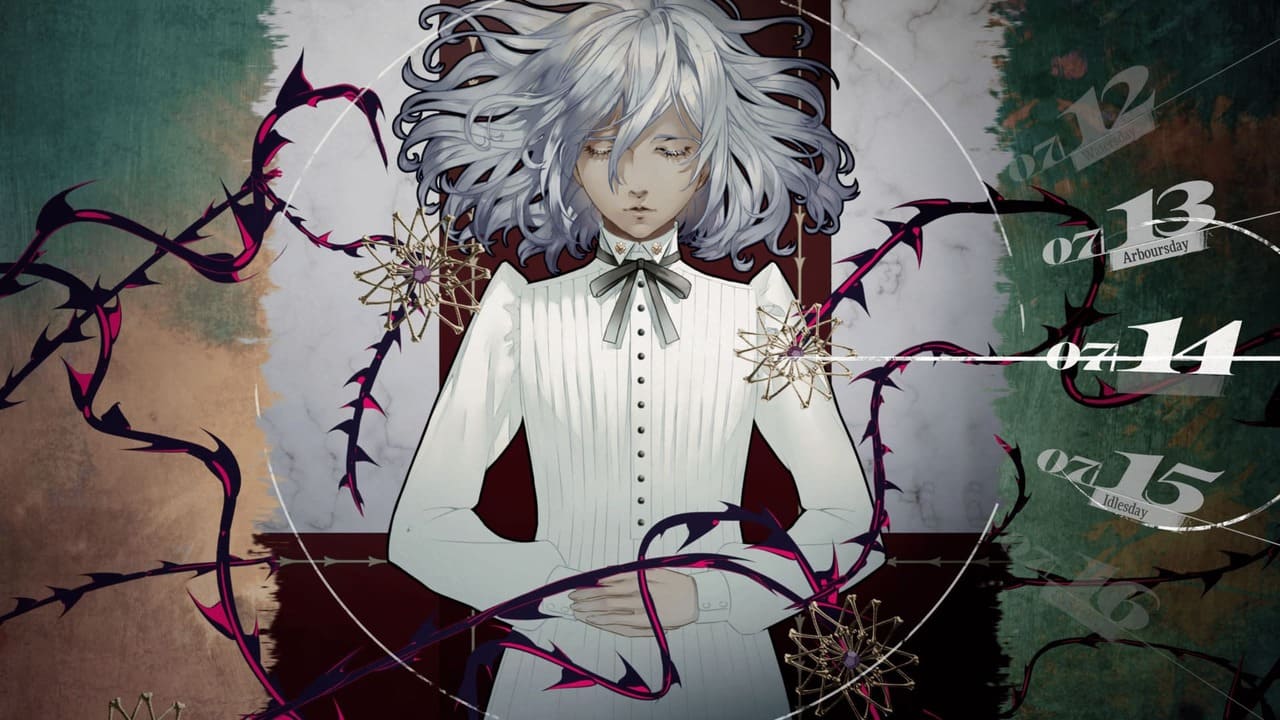
A pivotal moment as the Prince stands bound by fate and time.
Gameplay and Mechanics
Metaphor: ReFantazio blends traditional turn-based combat with strategic elements, delivering a rich gameplay experience. The game gradually introduces its mechanics, easing players into them to avoid overwhelming. Here’s a breakdown of the key mechanics:
Bounties: Take on contracts to hunt powerful monsters for monetary rewards and increased standing, encouraging exploration and testing combat prowess.
Row System:
- Inspired by classic Shin Megami Tensei and Wizardry games.
- Character positioning affects damage and defense; front row characters deal more damage but are more vulnerable, while back row characters gain defense at the cost of offensive power.
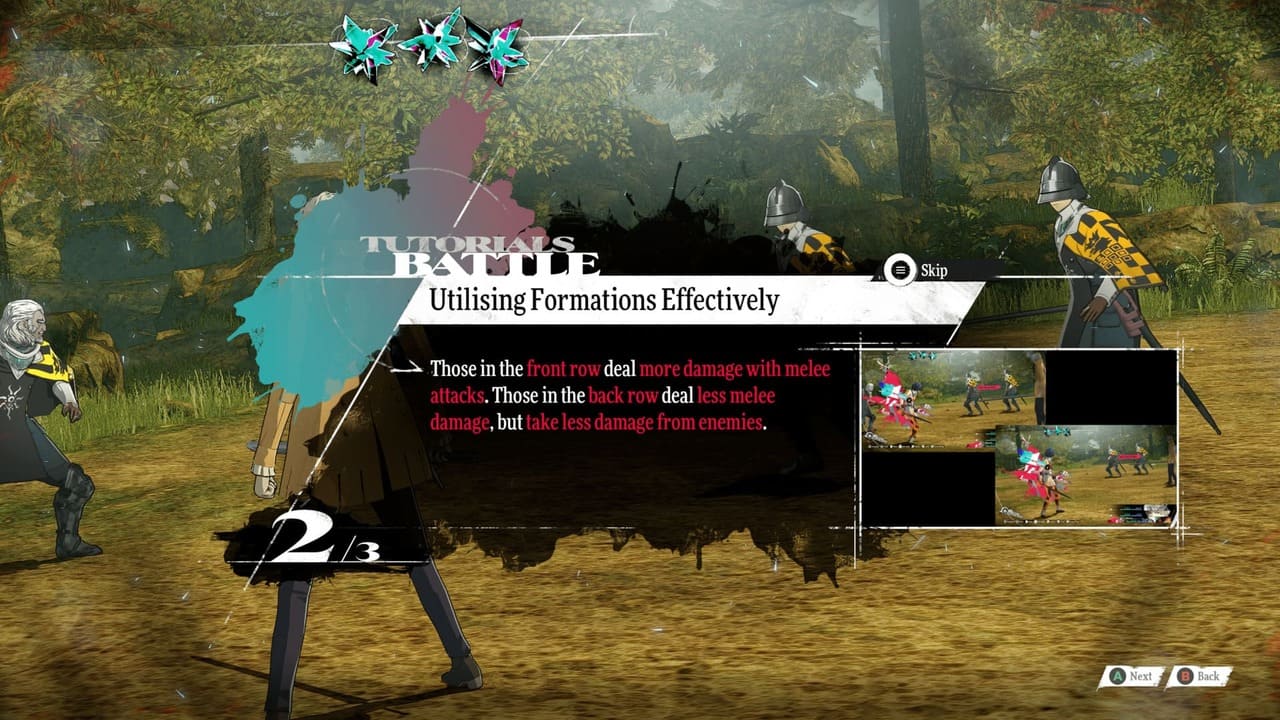
Mastering rows and formations is key to surviving tougher battles.
Archetypes System:
- Inspired by Final Fantasy V‘s job system.
- Players can experiment with roles like tanks, healers, and damage dealers to build teams suited to their playstyle.
- Each archetype offers unique abilities, encouraging players to discover synergies within their party.
Synthesis Mechanic:
- Allows characters to combine actions for powerful team attacks, requiring careful planning and coordination.
Day and Night Cycle:
- Certain events and activities are only available during specific times of day, similar to systems in Persona games.
- Players must manage their time to take advantage of time-sensitive opportunities.
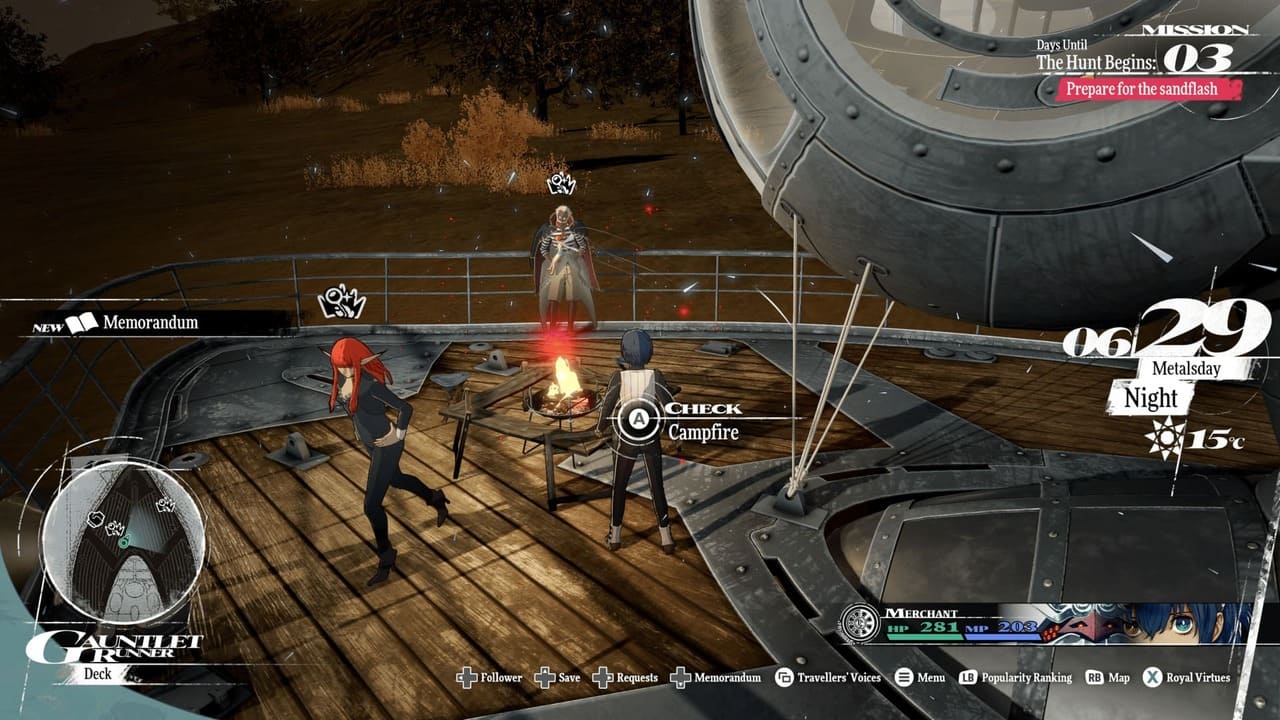
Hulkenberg stands atop the Gauntlet Runner, reflecting beneath the open sky.
Gauntlet Runner:
- Serves as a hub for travel, resting, and various activities like cooking, cleaning, and gardening, which improve stats and virtues similar to Persona‘s social stats (e.g., Charm, Intelligence).
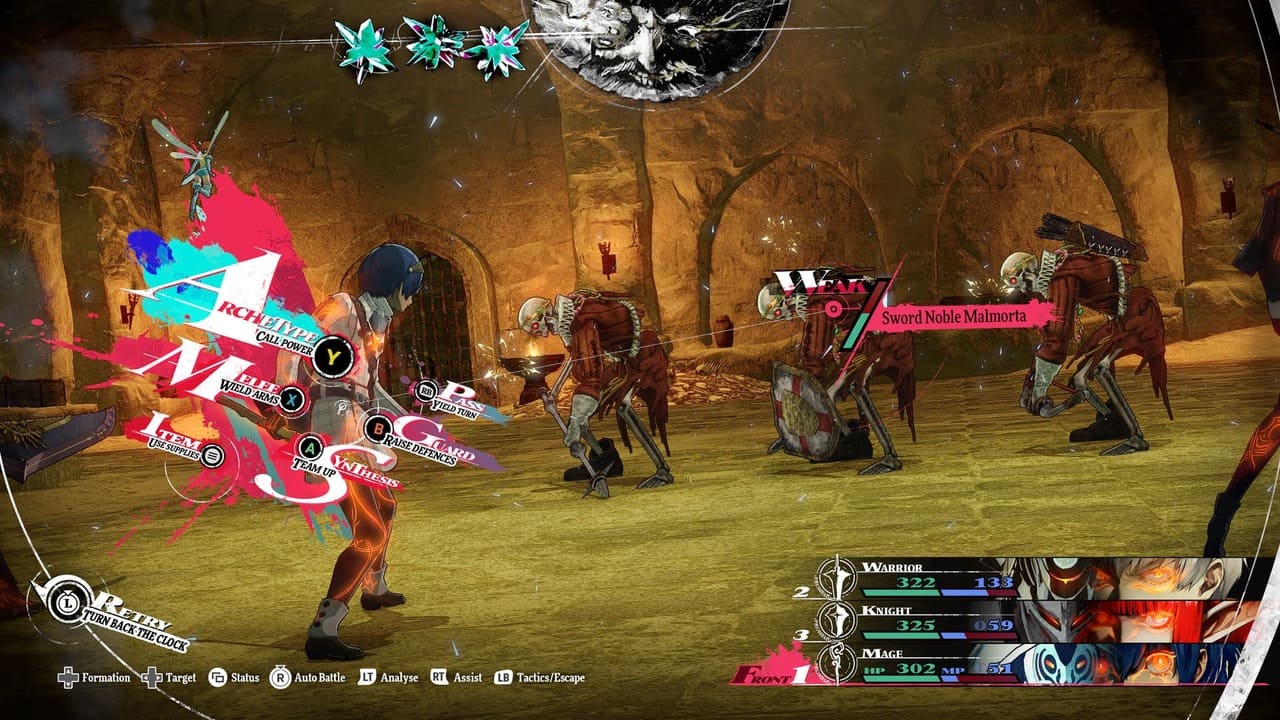
Exploiting enemy weaknesses against the fearsome Sword Noble Malmorta.
Art and Audio: A New Direction in Fantasy

The Tree of Prophecy stands tall beneath a burning sunset.
Visually, Metaphor: ReFantazio stands out for its striking art design. Soejima’s approach to the game’s visual style was rooted in his desire to create something fresh after his work on the Persona series. He drew from classic fantasy influences, such as The Chronicles of Narnia and early RPGs like Wizardry, to capture the essence of fantasy while steering away from conventional tropes (Archipel, 2024).
Soejima on Visual Design
“Since joining Metaphor, I felt the need to adapt my style to the current project. For Persona, we created a very specific atmosphere, but for Metaphor, we aimed to explore fantasy from its roots. I took inspiration from novels like The Chronicles of Narnia and games like Wizardry, blending these elements with my own vision”
(Archipel, 2024).
The team also faced challenges in reconciling different ideas of what fantasy should be. “Each person had their own distinct view of the genre,” Soejima notes. “It was difficult to filter through all of them, but ultimately, it made the process more rewarding as we learned from one another” (Archipel, 2024).
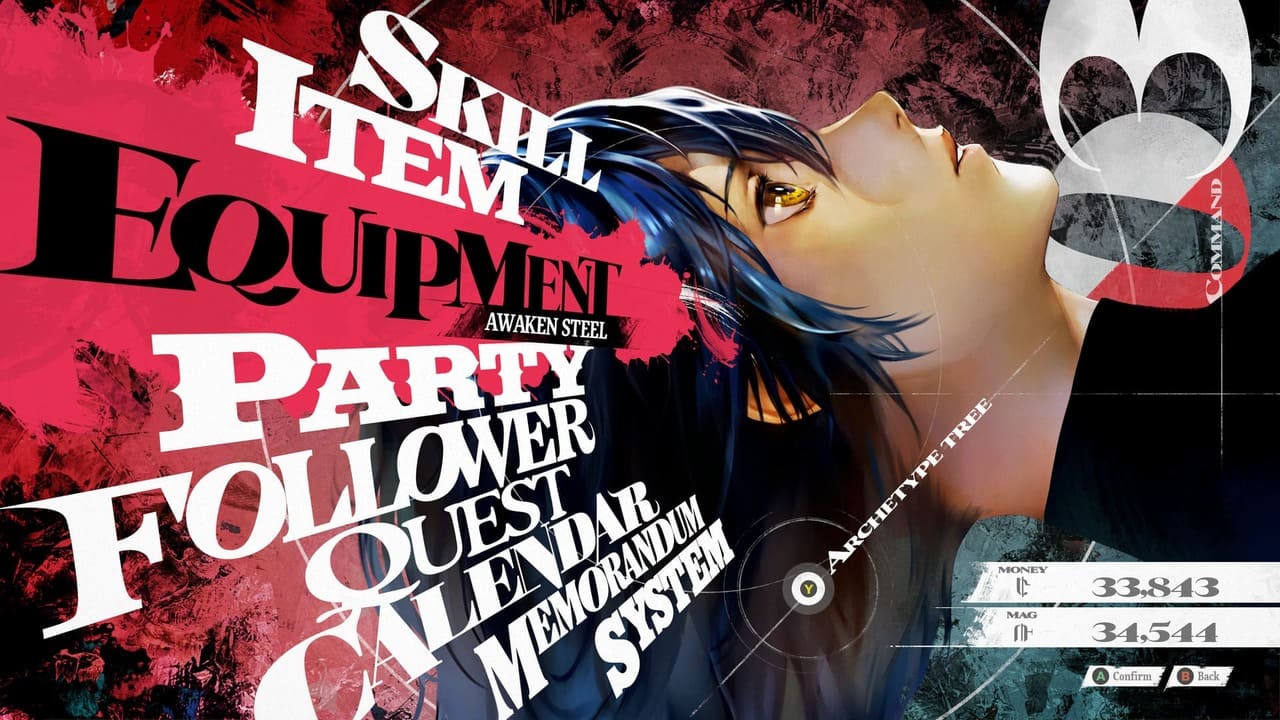
Fine-Tuning Your Party’s Strengths
The character designs reflect this diverse vision, with intricate details and expressive personalities. The environments, lush and immersive, transport players into a world filled with magic and mystery. The art style blends fantastical elements with a touch of realism, giving the world a lived-in quality that feels both magical and tangible.

Painting the sky with fire and peace
On the audio front, the soundtrack, composed by Shoji Meguro, brings an added layer of depth to the experience. Moving away from the pop-influenced sound of the Persona series, Meguro crafted a more complex, orchestral score, aiming to create something richer and more intricate.
Meguro on Soundtrack Direction
“I worked on creating music close to nothing that I have done before. You could take Persona‘s music as something you can casually listen to, now Metaphor‘s harmony tends to be more complex. You discover new details and nuances each time you listen to it. I hope people will realize its worth upon multiple listenings”
(Archipel, 2024).
The symphonic soundtrack, with its bombastic orchestral arrangements, operatic vocals, and evocative tracks like Rival Candidates, perfectly complements the game’s high-stakes narrative and complex character arcs. The blend of orchestral and modern elements makes the music an unforgettable part of the game’s emotional impact.
Writing & Themes
Metaphor: ReFantazio stands out for its mature handling of social themes, echoing the complex narratives of Persona 2. The story tackles issues of systemic corruption, social and economic inequality, and the gray areas within ideological conflicts. Unlike Persona 5’s more simplistic morality, Metaphor explores these topics with nuance, presenting flawed characters who grapple with real-world issues and make choices that reflect genuine inner conflict.
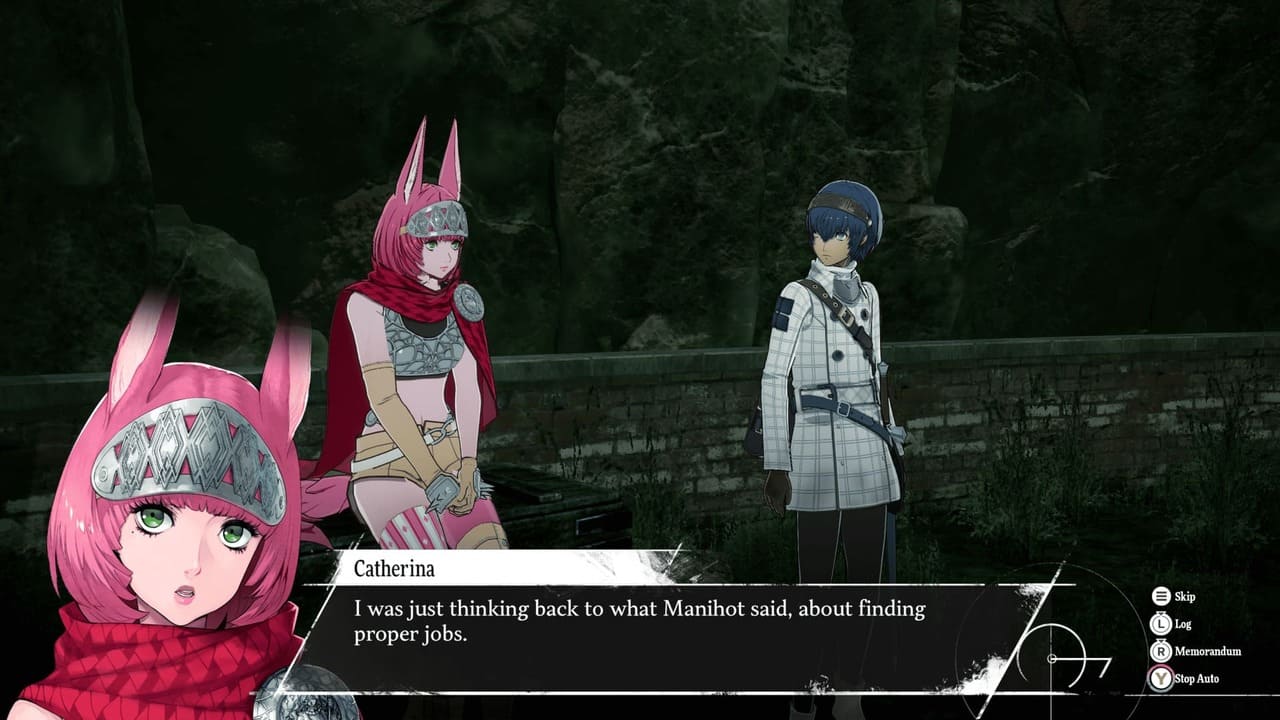
Catherina reflects on Manihot’s words to Will
Character arcs are deeply intertwined with these themes. For instance, one character initially driven by idealistic fervor gradually confronts the darker aspects of their beliefs, ultimately realizing the sacrifices necessary to uphold them. Another character struggles with a deep-seated prejudice born from personal trauma, showing how bias can blind even those with noble intentions. These arcs add emotional weight to the story, as players see characters grow, falter, and confront their flaws in ways that feel authentic.
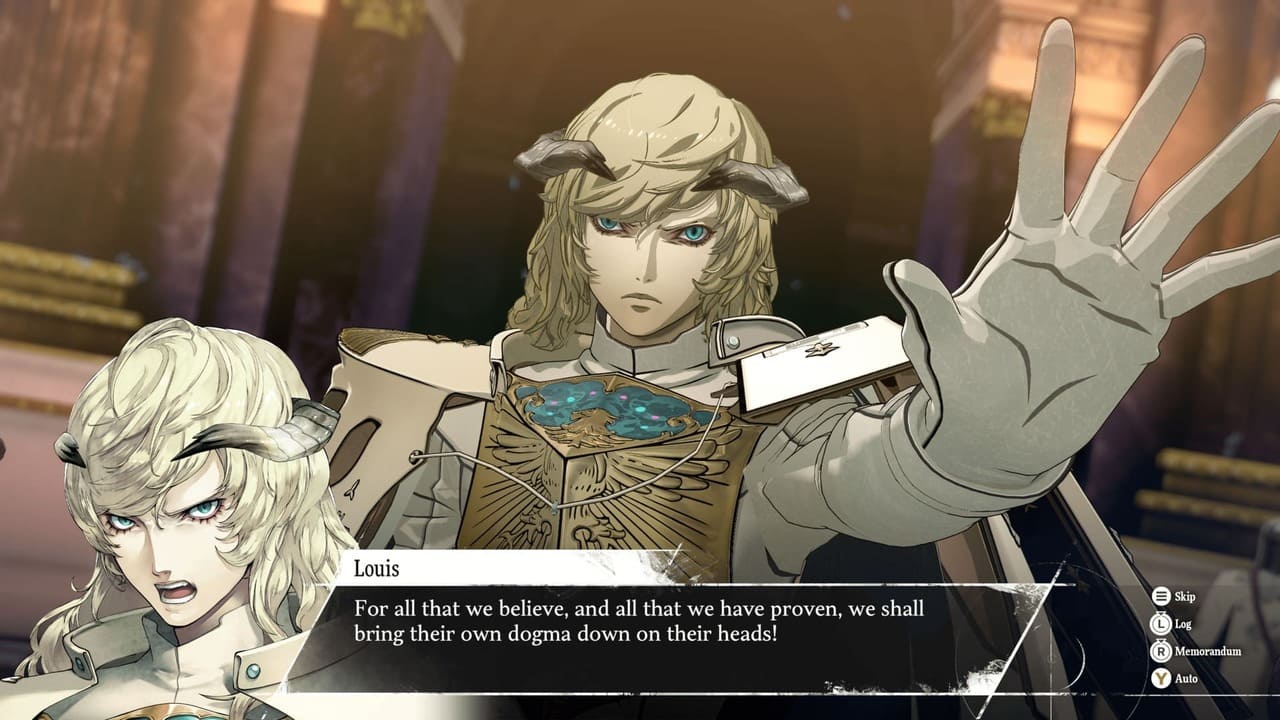
Louis delivers a powerful vow with fierce determination
Themes such as fanaticism, greed, and ambition are woven throughout the story, adding depth to the political landscape of Metaphor. The kingdom’s government and societal divisions mirror real-world struggles, from issues of racial prejudice to class-based resentment. This storytelling approach gives the game a gravitas rarely seen in JRPGs, allowing it to resonate on a level that goes beyond typical genre conventions.
Unique Features and Mechanics
One of the most interesting features of Metaphor: ReFantazio is its deep character synergy system. The compatibility between characters can drastically change the tide of battle, encouraging players to carefully experiment with different team combinations. Additionally, the class system allows for customization in roles, meaning that anyone can be molded into a tank, healer, or damage dealer depending on how players want to approach combat.
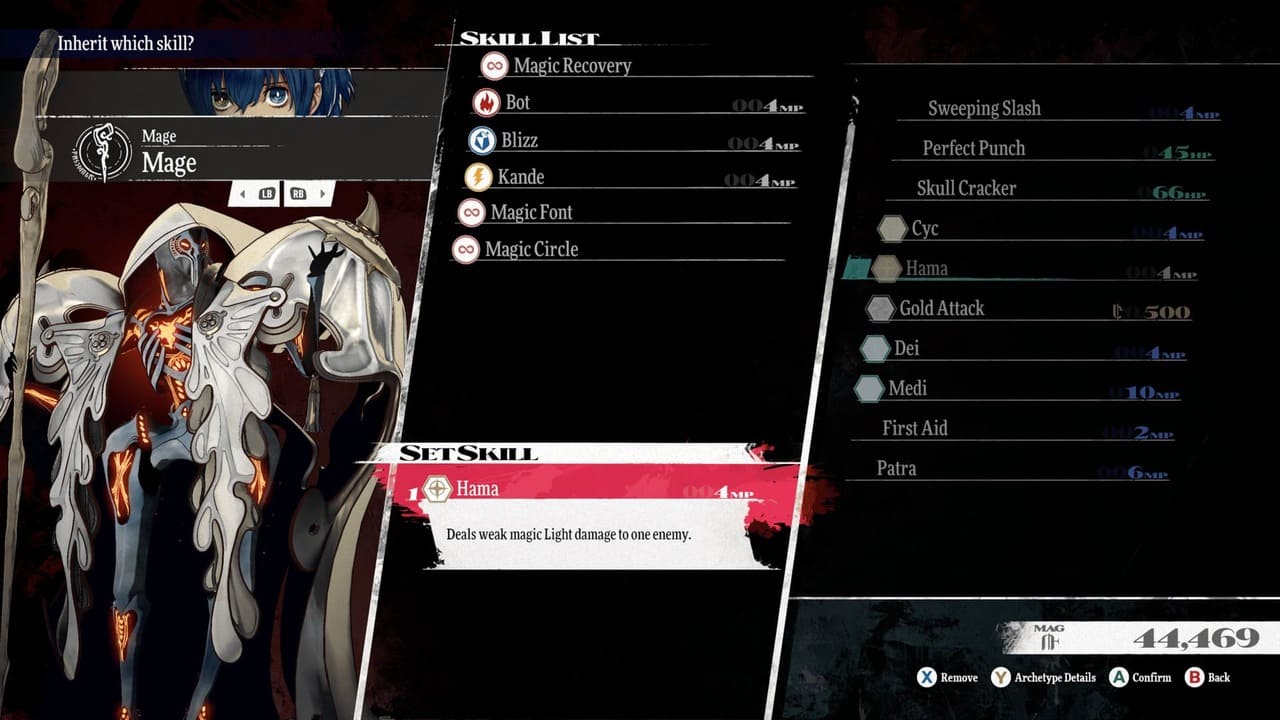
Mage Archetype skill list showcasing unique inheritance mechanics
This flexibility in team-building caters to a variety of playstyles, ensuring that players can tailor the experience to their preferences. This was one of the most enjoyable aspects of Final Fantasy V‘s job system, and it was a pleasant surprise to see it implemented in Metaphor as well.
Seiyuu Performances
The voice acting in Metaphor: ReFantazio is top-tier. The cast delivers emotional performances that heighten the impact of the game’s themes. Each character’s struggles and growth are amplified by the voice acting, adding depth to their arcs.
- Natsuki Hanae
- Known for 9S from Nier, Tanjiro Kamado from Demon Slayer, Geo from Granblue Fantasy, Seig from Fate.
- Sumire Morohoshi
- Known for Tiki from Fire Emblem, Kusabira from .hack//G.U.: Last Recode, Michiru Kagemori from BNA: Brand New Animal, Pela from Honkai: Star Rail.
- Kensho Ono
- Known for Giorno Giovanna from JoJo’s Bizarre Adventure, Yuri Briar from Spy x Family, Tetsuya Kuroko from Kuroko’s Basketball, Lacarde Dragneel from Fairy Tail.
- Saori Hayami
- Known for Tao Isonokami from Shin Megami Tensei, Shinobu Kocho from Demon Slayer, Yor Forger from Spy x Family, Kyrie from Devil May Cry.
- Akio Otsuka
- Known for Solid Snake from Metal Gear Solid, Batou from Ghost in the Shell: Stand Alone Complex, Wham from JoJo’s Bizarre Adventure, Regal Bryan from Tales of Symphonia.
- Takehito Koyasu
- Known for Dio Brando from JoJo’s Bizarre Adventure, Shinsuke Takasugi from Gintama, Jonny Ariga from Catherine, Lon’qu from Fire Emblem.
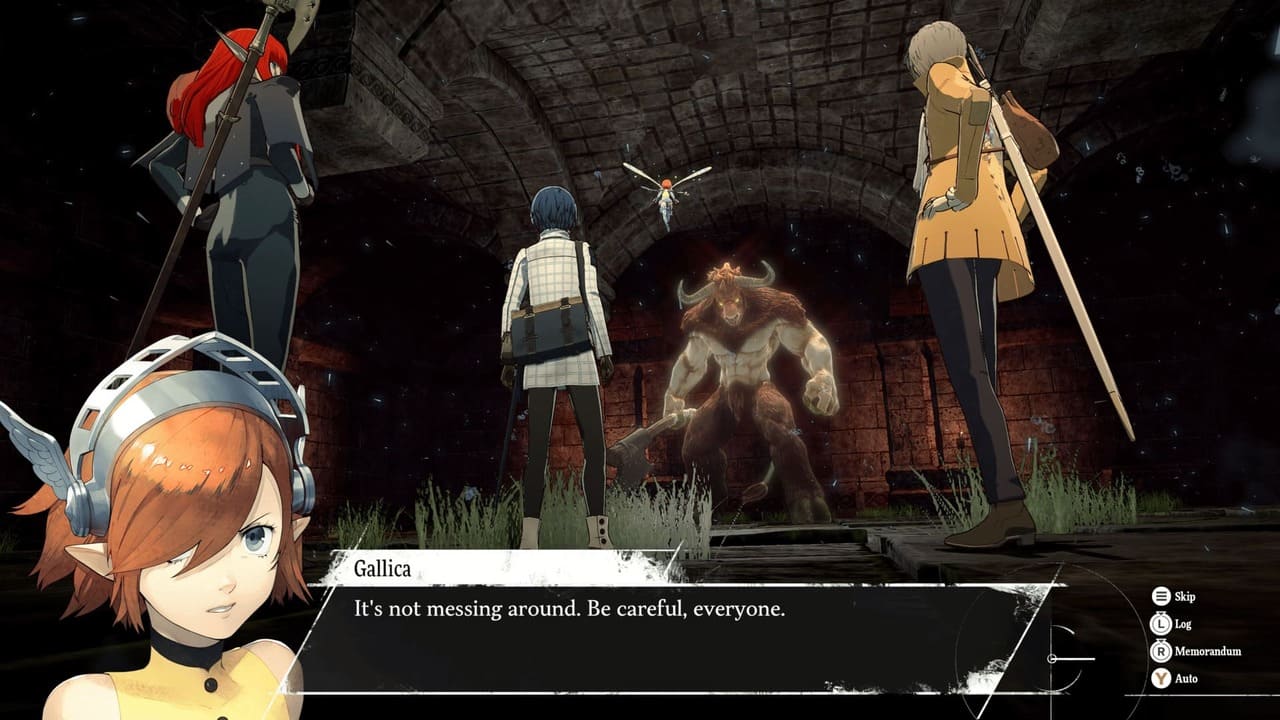
A tense encounter with a towering Minotaur while Gallica warns the team
Metaphor: ReFantazio Verdict
Metaphor: ReFantazio is a triumph for Atlus. With its intricate writing, deep character development, and refined gameplay mechanics, it’s a true return to the complexity and depth of the Index Corporation era. Fans of Persona 2 and Shin Megami Tensei will find much to appreciate in this ambitious RPG, which both honors the past and pushes the genre forward. The blend of mature themes and strategic gameplay makes Metaphor a standout title that lives up to the legacy of Atlus’s best work.
Metaphor: ReFantazio TLDR
Metaphor: ReFantazio (Xbox Series X)
Metaphor: ReFantazio marks a return to the roots of the developer with a mature narrative and inventive gameplay. The writing and flexible mechanics combine with a powerful soundtrack to create something truly distinct.
This title represents the first time since the Sega acquisition that the studio has fully captured the spirit of the Index era.
References
- Archipel. (2024, November 11). A Metaphor in Fantasy – Katsura Hashino, Shigenori Soejima & Shoji Meguro. YouTube. https://www.youtube.com/watch?v=-eFkMJzc6ow
- Xbox. (2023, June 11). Metaphor: ReFantazio — Announcement Trailer. YouTube. https://www.youtube.com/watch?v=btHGCpUPjPk
- Metaphor: ReFantazio OST – Rival Candidates https://www.youtube.com/watch?v=J2oMqEB6RIk
- Atlustube. (2016, December 25). PROJECT Re FANTASY ????????. YouTube. https://www.youtube.com/watch?v=1e4vOxUIsRs