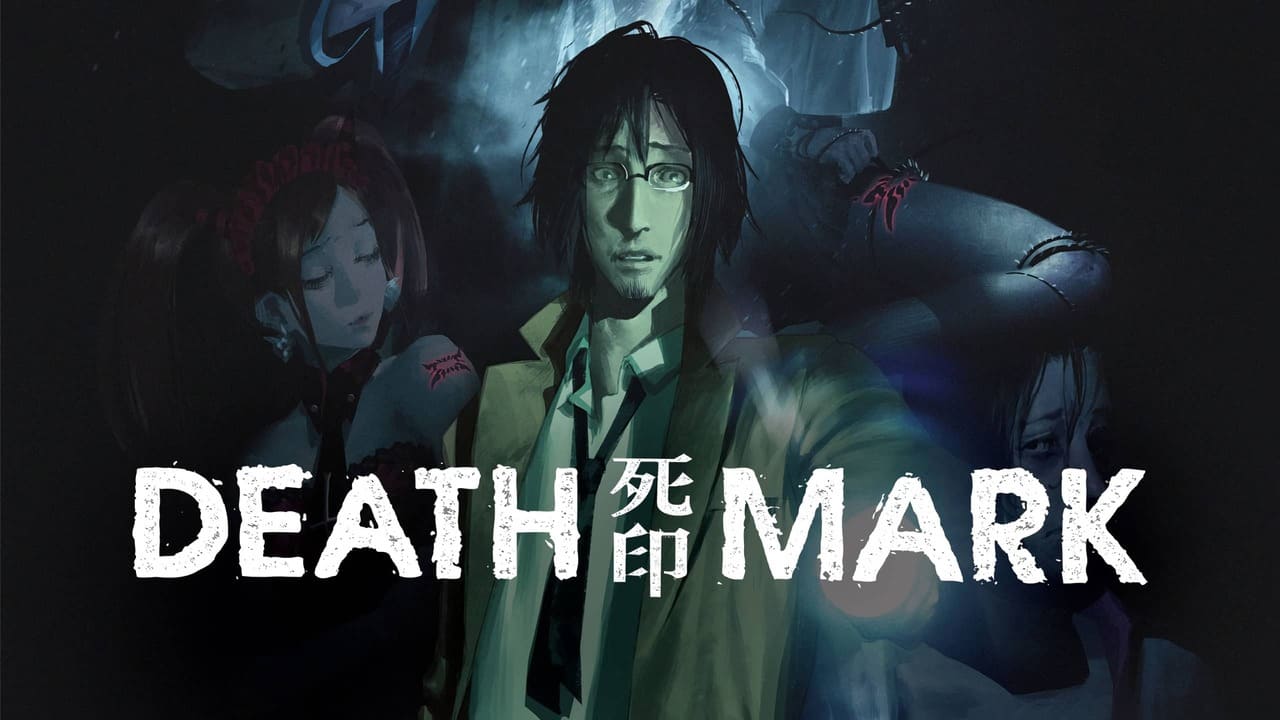
Spirit Hunter: Death Mark delivers tense Japanese horror on Switch, blending eerie atmospheres with gripping spirit tales. Minor translation issues occur, yet the experience remains a memorable start to the series.
Spirit Hunter: Death Mark
Released: June 1st, 2017 (JP), October 31st, 2018 (WW)
Developer(s): Experience
Publisher(s): Aksys Games
Platform(s):





Completed on Nintendo Switch, Handheld mode.
True Ending + Red Riding Hood DLC
HowLongToBeat Time: 11 hours | My Clear Time: 15 hours
Spirit Hunter: Death Mark Background
Before Death Mark, Experience Inc. made a name for itself with dungeon RPGs like Stranger of Sword City and Demon Gaze. Interestingly, Death Mark was not originally planned as a pure adventure game: the early concept had hack-and-slash mechanics and an MP system.
Director Motoya Ataka wanted the game to feel like that instinctual urge to walk faster when you pass a place where something scary once happened. In an interview, Ataka and representative director Genji Senzu named Twilight Syndrome, Yuyami Dori Explorers, and Resident Evil as their personal horror favorites (Furuya, 2017).
When something scary happens in a place you often go to, you remember that scary experience and start walking faster as you pass. That’s the way I wanted to do it
– Motoya Ataka
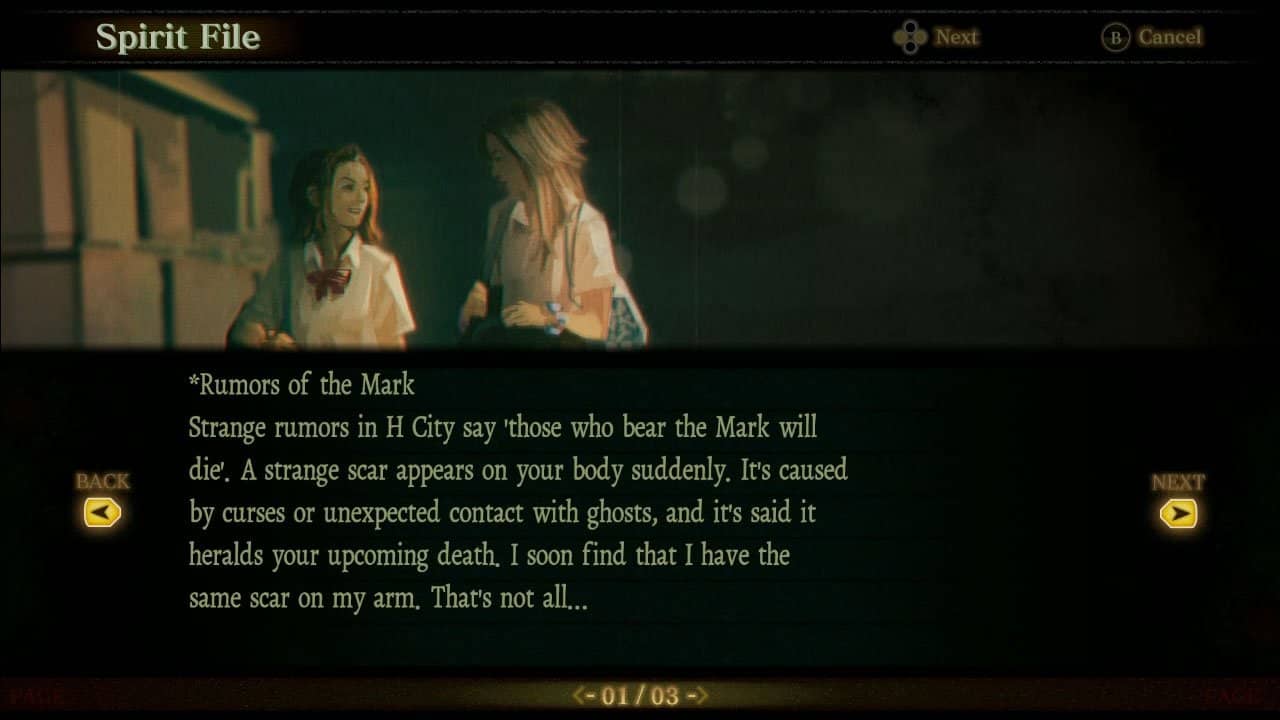
Screenshot of the Rumors of the Mark file from Spirit Hunter: Death Mark.
Spirit Hunter: Death Mark Experience
I first played Death Mark in 2021 on a friend’s recommendation, and it served as my introduction to Experience Inc. At that point, my visual novel history was limited to titles like Fate/Extra, Phoenix Wright, and The Silver Case. I was already familiar with Aksys Publishing from their work on fighters like BlazBlue and Under-Night. My horror background was mostly built on classics like Silent Hill, Condemned, and The Evil Within, so I was ready to see how a visual novel would handle the genre.
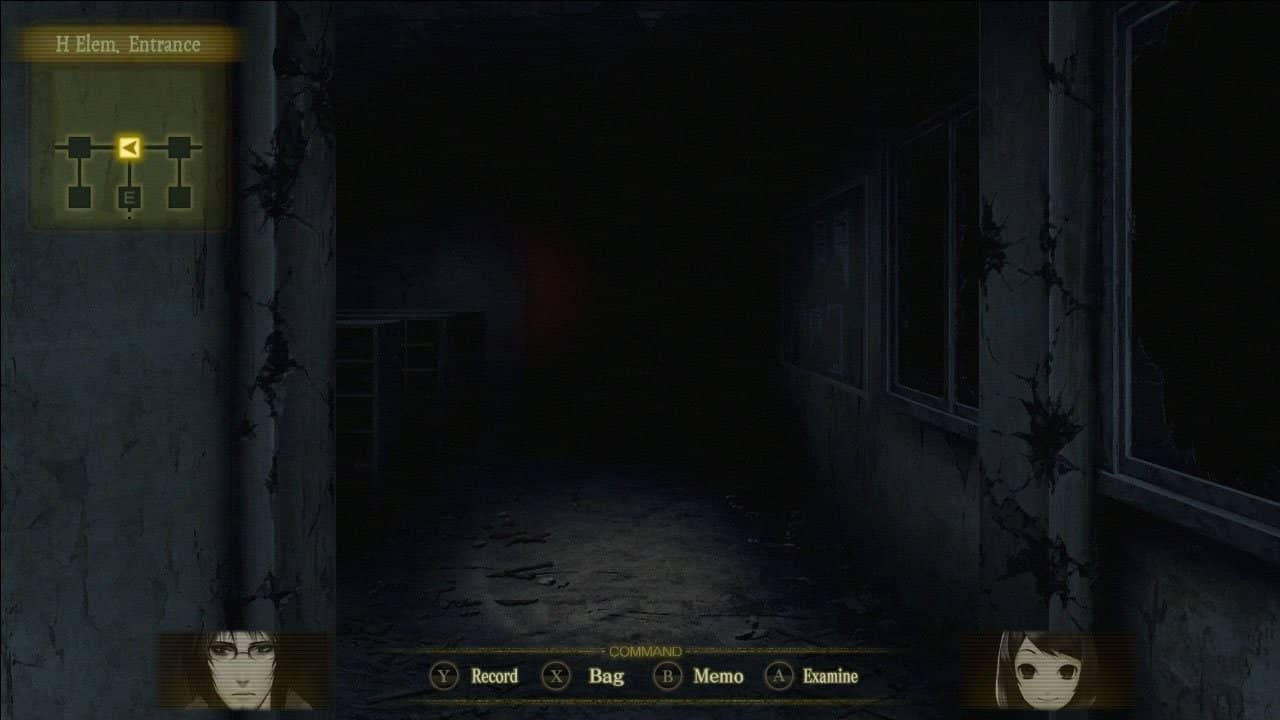
Yashiki and Moe explore a hallway with the map showing their route.
Spirit Hunter: Death Mark Impressions
Ghosts were something that didn’t quite invoke a degree of uneasiness in me until this series. The way the sounds, landscapes and spirit designs come together is something Team Silent would be proud of. The first-person dungeon style exploration adds to the immersion, making the short breaks between Live-Or-Die altercations evoke a sense of anxiety and malaise.
The backstories for the spirits are just as terrifying as they are interesting, making you wanting to power through the next haunt to get to the next story bit. Death Mark can also be punishing with requiring you to know some things not well translated within it, so a spoiler-free guide is suggested to fully enjoy.
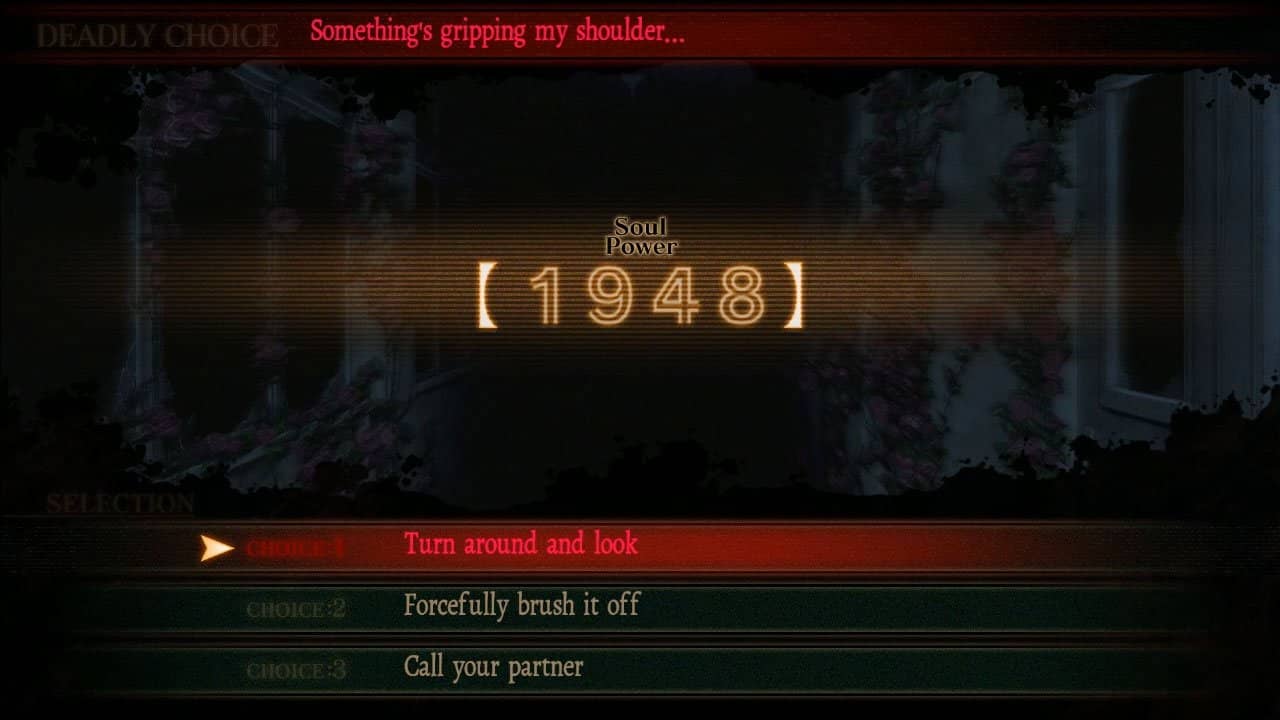
Death Mark Live or Die screen showing three choices and the 1948 soul power meter.
Spirit Hunter: Death Mark Verdict
Aside from a few translation issues, Death Mark should have its players looking into the other two volumes of the Spirit Hunter series after completing all endings. The atmosphere and presentation had me looking up the artists after finishing it, along with eventually purchasing the limited edition for the Nintendo Switch.
Shimi-O’s backstory, Hanayome, Red Riding Hood and the “Bearers of the Mark” theme will be topics of conversation, and maybe you’ll be like me and talk to anyone that’ll listen about the series.
Spirit Hunter: Death Mark TLDR
Spirit Hunter: Death Mark (Switch)
Spirit Hunter: Death Mark delivers tense Japanese horror on Switch, blending eerie atmospheres with gripping spirit tales. Minor translation issues occur, yet the experience remains a memorable start to the series.
References
- Furuya, Y. (2017, January 13). Why does Experience dare to work on the adventure “Death Mark”? Hear from Mr. Senzu & Mr. Ataka about the further challenges of the dungeon RPG masters. Famitsu.com.