
Disclaimer: KonNetwork is reader-supported. Affiliate links help keep the site free of ads and tracking scripts. As an Amazon Associate, we earn from qualifying purchases.
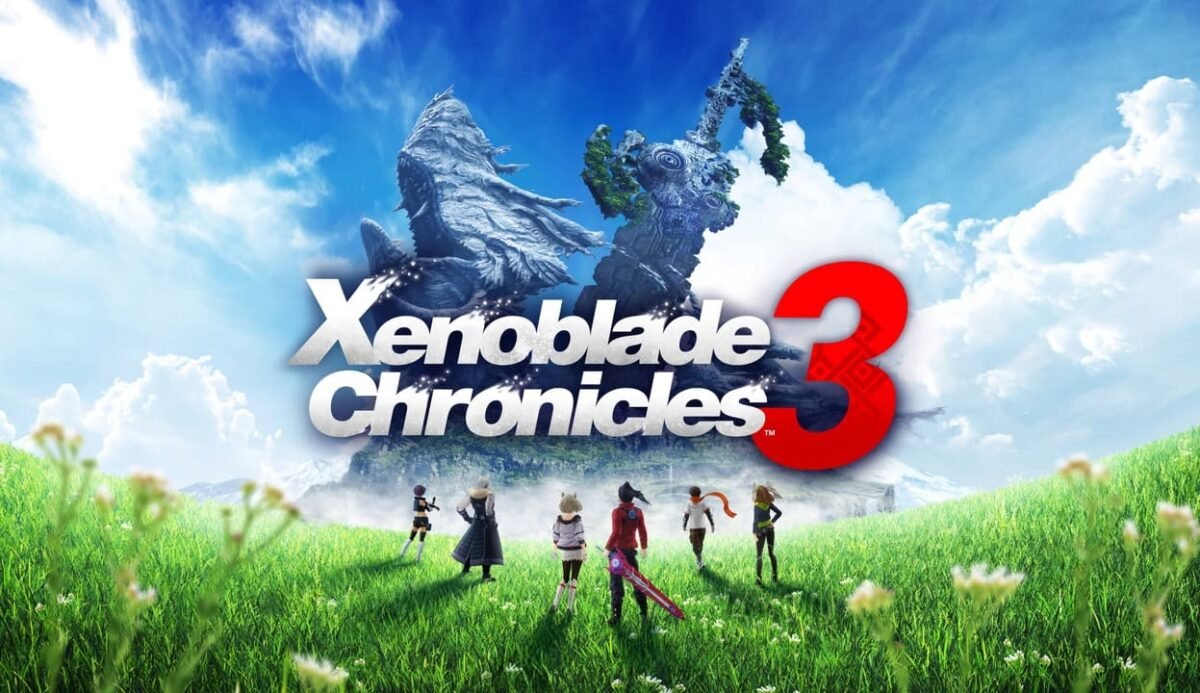
Ending a beloved trilogy is never easy, but Xenoblade Chronicles 3 rises to the occasion. Monolith Soft delivers an emotionally powerful finale that refines the series’ strongest ideas into one of the Nintendo Switch’s defining RPGs.
Xenoblade Chronicles 3 At a Glance
Release Date
Jul 29, 2022 (SW)
Dec 3, 2026 (SW2)
Price
$59.99 MSRP Digital
$9.99 MSRP Upgrade Pack
$69.99 MSRP Switch 2 Physical
Completed on
Yuzu
/ 2x Movement Speed Mod
HLTB
62 Hours (Main Story)
/ My Time: 39hrs 38min
The Road to Aionios
Xenoblade Chronicles 3 serves as the culmination of Monolith Soft’s numbered trilogy, bringing together ideas introduced throughout the previous two games while telling a new story set within the world of Aionios. Rather than simply building on Xenoblade Chronicles 2, the studio set out to unite the strongest gameplay systems, narrative themes, and world design philosophies from both numbered predecessors into a single experience that would conclude the trilogy.
That design philosophy extends well beyond gameplay. Throughout the Xeno franchise, executive director Tetsuya Takahashi has consistently explored questions surrounding humanity, free will, faith, and existence. The creative roots of those ideas stretch back to his time at Square, where concepts that were considered too dark for Final Fantasy VII eventually evolved into Xenogears. Decades later, Xenoblade Chronicles 3 continues that philosophical lineage while serving as the intended conclusion to the numbered trilogy.
With Monolith Soft aiming to refine its mechanics while bringing the trilogy’s thematic ideas full circle, the question becomes whether Xenoblade Chronicles 3 successfully fulfills that ambitious goal.
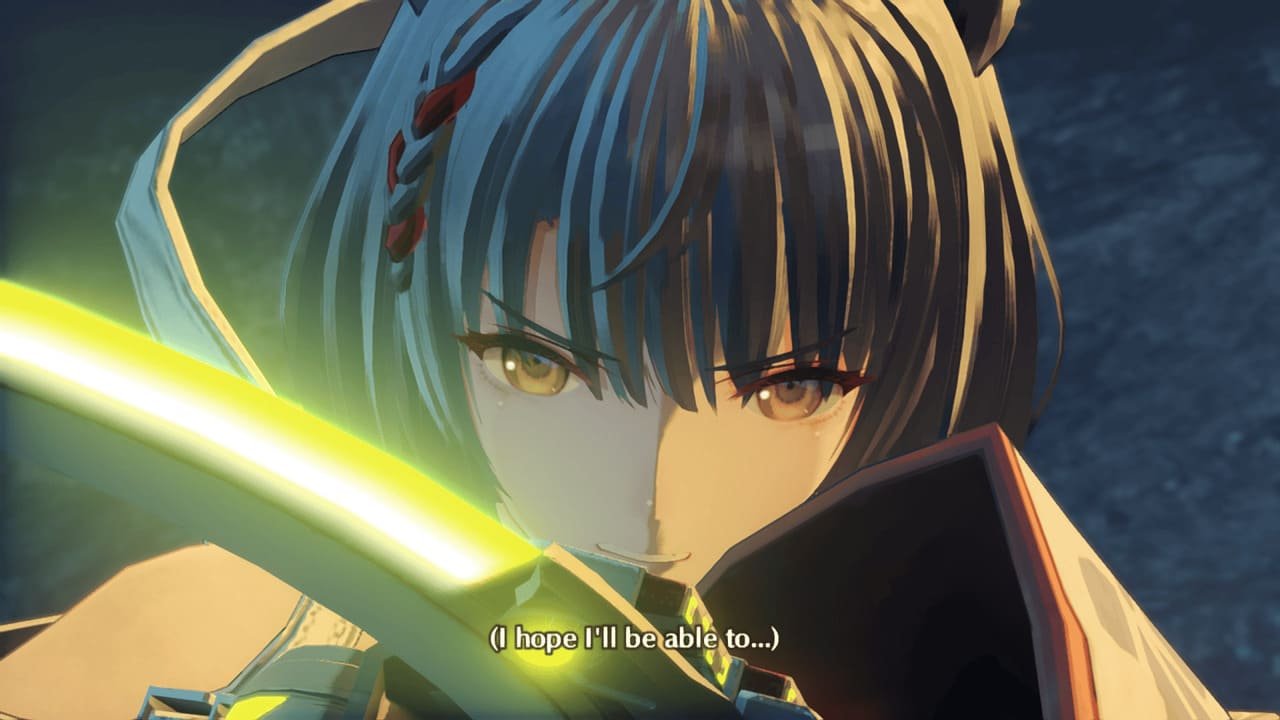
Close-up of Mio’s first reveal with glowing hoop weapons in Xenoblade Chronicles 3.
Reviewer’s Perspective
Before beginning Xenoblade Chronicles 3, I completed Xenoblade Chronicles: Definitive Edition, Future Connected, Xenoblade Chronicles 2, and Torna: The Golden Country. At the time of writing, I had not yet finished Xenogears, the Xenosaga trilogy, or Xenoblade Chronicles X, though I wanted to experience the numbered trilogy before forming an opinion on its conclusion.
Of those games, the original Xenoblade Chronicles remains my personal favorite, making it a natural point of comparison throughout this review.
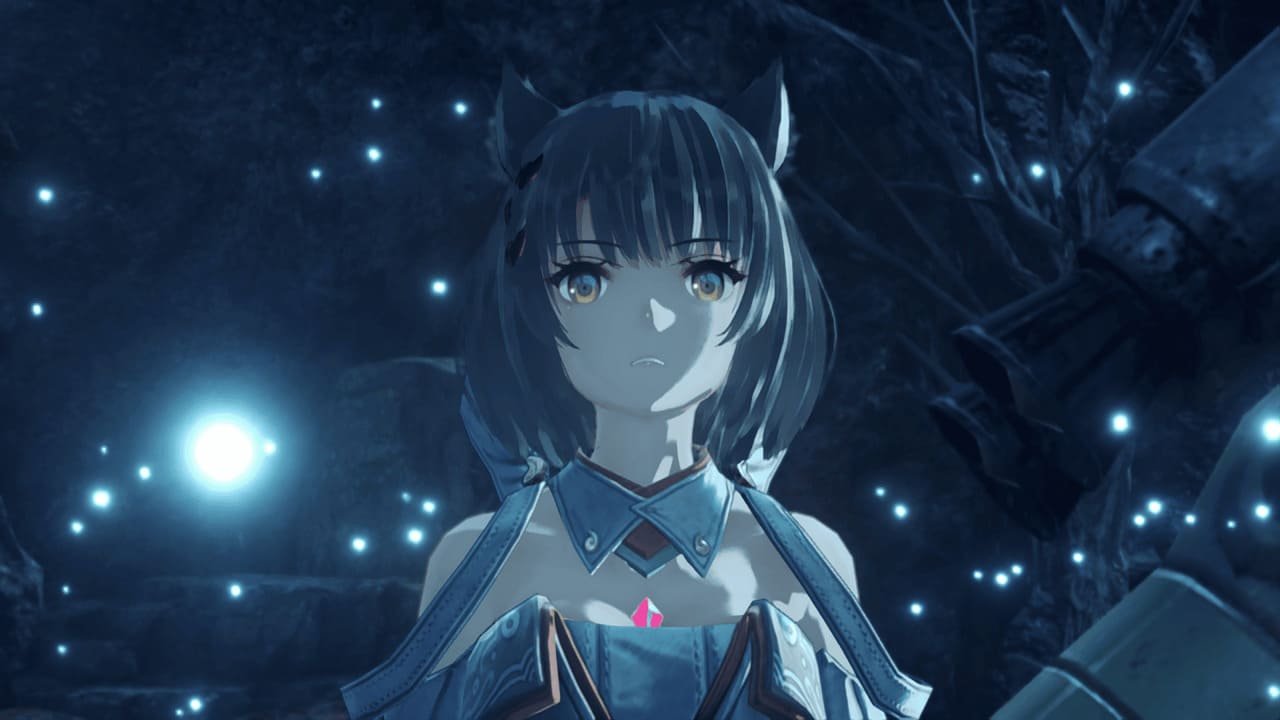
Mio surrounded by glowing fireflies, showcasing the game’s stunning visuals.
Walking the Endless War
Xenoblade Chronicles 3 feels like the culmination of everything Monolith Soft learned from the previous two numbered entries. Rather than choosing one combat philosophy over another, the developers successfully combine the strongest gameplay ideas from both Xenoblade Chronicles and Xenoblade Chronicles 2 while introducing new mechanics that make this entry feel distinct.
Keves plays much like the original Xenoblade Chronicles, allowing Arts to recharge over time, while Agnus adopts Xenoblade Chronicles 2‘s approach of building attacks through auto-attacks before unleashing stronger abilities. The result is a combat system that feels familiar regardless of which previous game you preferred.
The new class system also became one of my favorite additions. Anyone familiar with Final Fantasy V‘s job system will immediately understand the appeal of mastering one class before moving on to another, constantly experimenting with new combinations and party roles throughout the adventure.
Beyond combat, nearly every quality-of-life improvement feels like a direct response to player feedback. Character movement no longer feels sluggish, the frustrating field skill requirements from Xenoblade Chronicles 2 have been removed, and the quest tracker is significantly easier to follow. Xenoblade Chronicles 3 doesn’t simply iterate on its predecessors; it refines them into what feels like the strongest version of the series’ gameplay to date.
A World Worth Saving
Beyond its mechanical improvements, Xenoblade Chronicles 3 succeeds because of its emotional core. One of the biggest reasons the story resonated with me was its return to the more philosophical direction that defined the original Xenoblade Chronicles. The narrative once again explores questions surrounding free will, purpose, and humanity’s ability to rise above the limitations imposed upon it, giving the story a far more introspective tone than its predecessor without venturing into spoiler territory.
While Xenoblade Chronicles 2 touched on many of those same ideas, it approached them with a lighter tone. Xenoblade Chronicles 3 instead feels much closer in spirit to the first game, which made it particularly rewarding after playing through the trilogy in order.
Combined with one of the strongest soundtracks in the series, a more restrained art direction than Xenoblade Chronicles 2, and a cast that develops naturally throughout the adventure, the presentation reinforces the melancholy journey across Aionios from beginning to end.
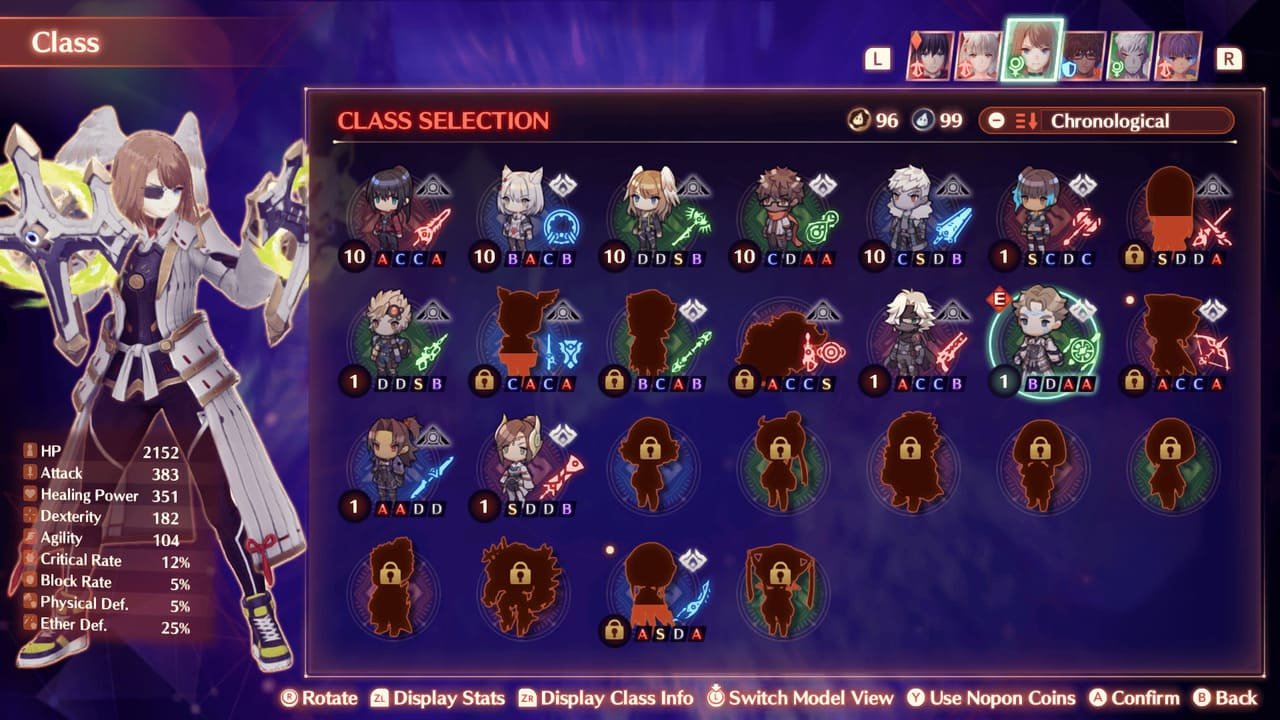
Eunie’s class selection screen showing her versatile combat roles.
Final Verdict
Xenoblade Chronicles 3 exceeded my expectations in nearly every way. Rather than attempting to reinvent the series, Monolith Soft took the strongest ideas from the previous two numbered entries, refined them, and delivered a conclusion that feels worthy of the journey that began with the original Xenoblade Chronicles.
From its flexible class system and improved exploration to its emotional storytelling and phenomenal soundtrack, nearly every aspect of the experience reflects a developer that listened to both the successes and shortcomings of its previous games. While performance limitations on the Nintendo Switch remain noticeable and some meaningful character moments are still tucked away within optional side content, those issues never overshadow what is ultimately one of the platform’s finest RPGs.
For fans of the genre, Xenoblade Chronicles 3 is more than a great sequel. It is a fitting conclusion to one of Nintendo’s strongest modern RPG trilogies.
Review Summary
Xenoblade Chronicles 3 (Switch)
Xenoblade Chronicles 3 refines the trilogy’s best ideas into an RPG with outstanding exploration, flexible combat, and an emotionally resonant story.
Performance limitations and a dense combat system occasionally get in the way, but they do little to diminish one of the Nintendo Switch’s finest RPGs.
Tested On
CPU: Ryzen 7 5900X | GPU: Nvidia 3080ti 12GB | RAM: 64GB DDR4 | Storage: Crucial P5 Plus NVMe SSD
OS: Windows 11 x64 | Resolution: 1080p | Settings: Default