

Capcom’s Pragmata Sketchbook Demo is a systems-first hands-on meant to show intent and performance rather than a full preview slice. This article looks at the demo running natively on Linux, focusing on combat flow, accessibility options, and stability.
This article focuses on hands-on observations from the Sketchbook Demo running natively on Linux, without the use of a Proton compatibility layer.
Performance and Platform Behavior
When launching the demo natively, it begins with shader cache compilation, which is in line with current PC expectations. After loading in, players are taken through brightness calibration using slider controls to adjust contrast and visibility.
Performance held steady throughout testing. At 1440p, the demo averaged 227 frames per second, with 1 percent lows at 119 FPS. These results were recorded while running natively on Linux, without using a Proton compatibility layer. The results line up with Capcom’s stated goal for the Sketchbook Demo, which the company previously explained when outlining the PC-first release.
Test System
- CPU: AMD Ryzen 9 5900X
- GPU: Sapphire Nitro+ Radeon RX 9070 XT
- RAM: 64GB DDR4
- Storage: NVMe SSD
- OS: Linux (native build, no Proton)
- Resolution: 2560×1440
Accessibility and Options
The options menu appears early and is extensive. Accessibility presets are available from the start, covering motion sensitivity, visual accessibility, and audio accessibility. Camera controls include separate vertical and horizontal sensitivity sliders, aim speed adjustments, inversion options, and distance settings ranging from near to far.
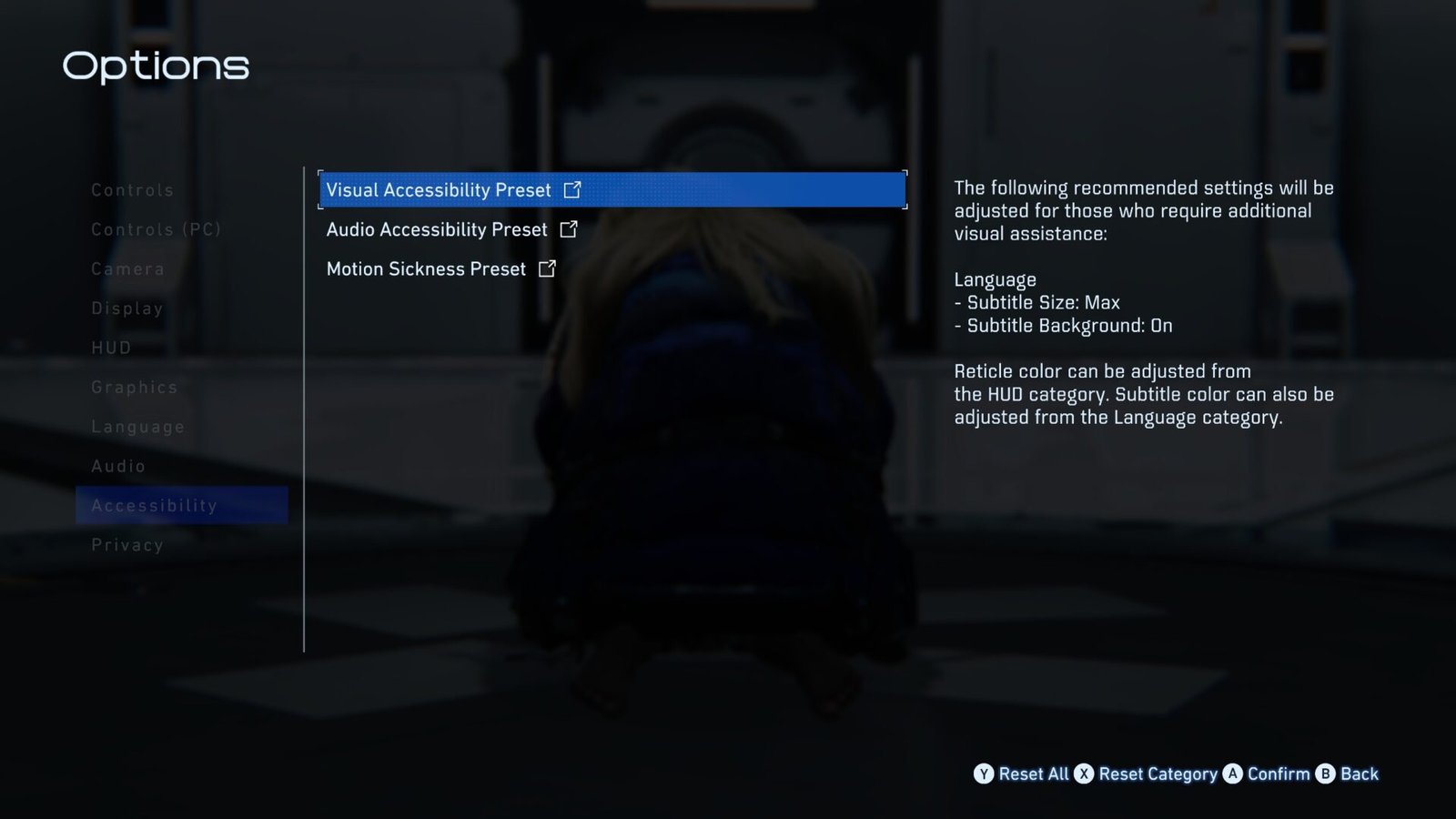
Accessibility and Camera Options
- Motion, visual, and audio accessibility presets
- Camera speed, inversion, and distance settings
Interface and graphics customization is handled with the same level of control.
Interface and Graphics Controls
- HUD, tutorial prompts, damage indicators, and reticle customization
- Advanced graphics options, including upscaling and frame generation
During testing, frame generation, upscaling, v-sync, motion blur, and bloom were disabled to keep presentation consistent and easier to evaluate.
Combat and Hacking Systems
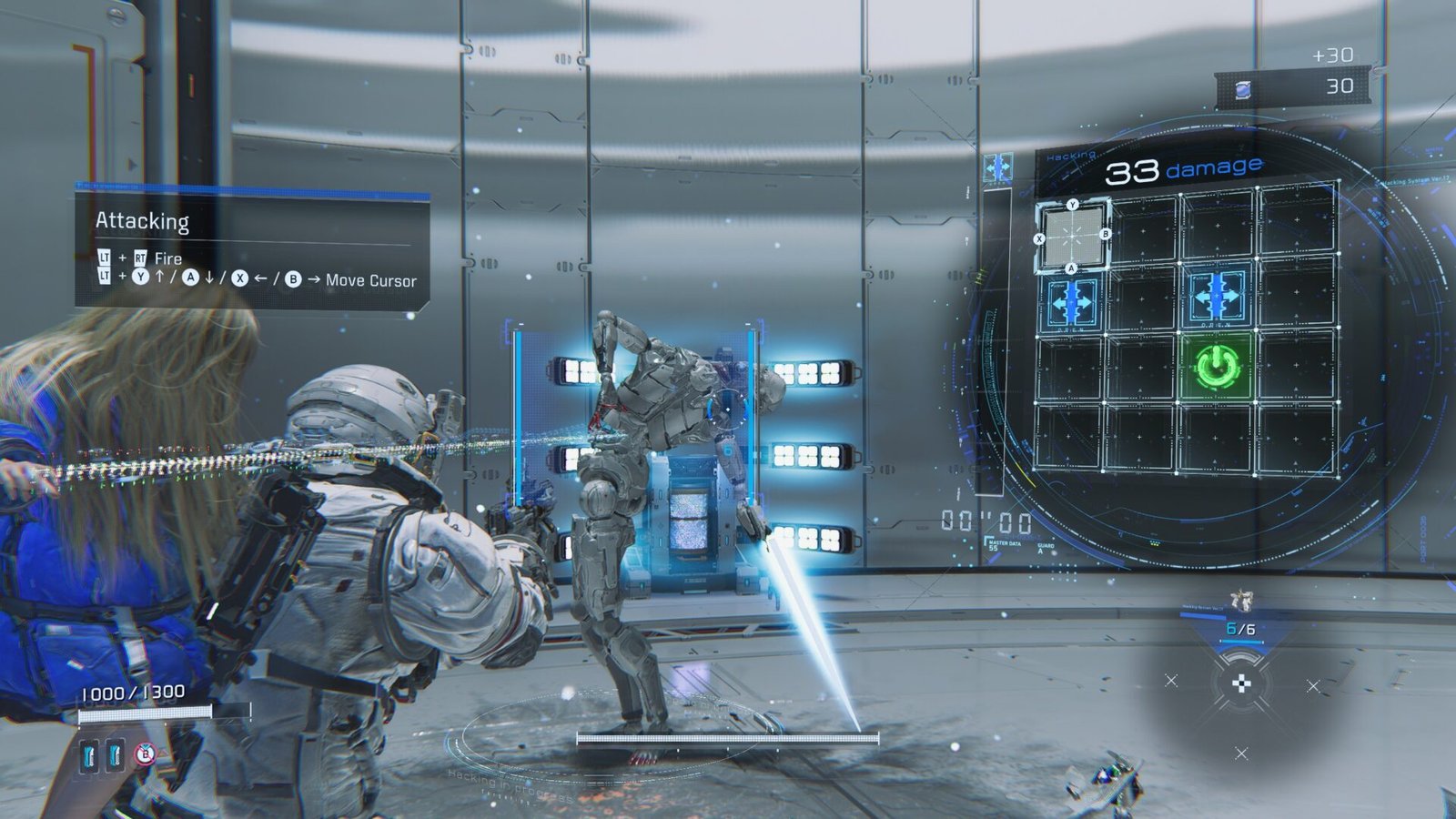
Combat is built around hacking and resource management. Hugh’s primary weapon uses regenerating ammunition, which pushes players toward timing and positioning instead of sustained fire. Enemies need to be hacked before they can take full damage.
Hacking is handled by Diana through a grid-based interface. Players route a cursor toward a green EXE node, choosing an efficient path through the grid. Reaching the node completes the hack and opens enemies up to damage. As the demo continues, yellow nodes are introduced, adding extra effects if they are routed through before reaching the EXE node.
Movement and defense are tied to a shared energy gauge. Dodging, jumping, and hovering all pull from this meter, which forces players to balance mobility with restraint. Sprinting works alongside these tools, giving Hugh a flexible set of evasive options. Suit integrity can be restored by holding the B button, as long as healing materials are available.
Weapons and Loadout Design
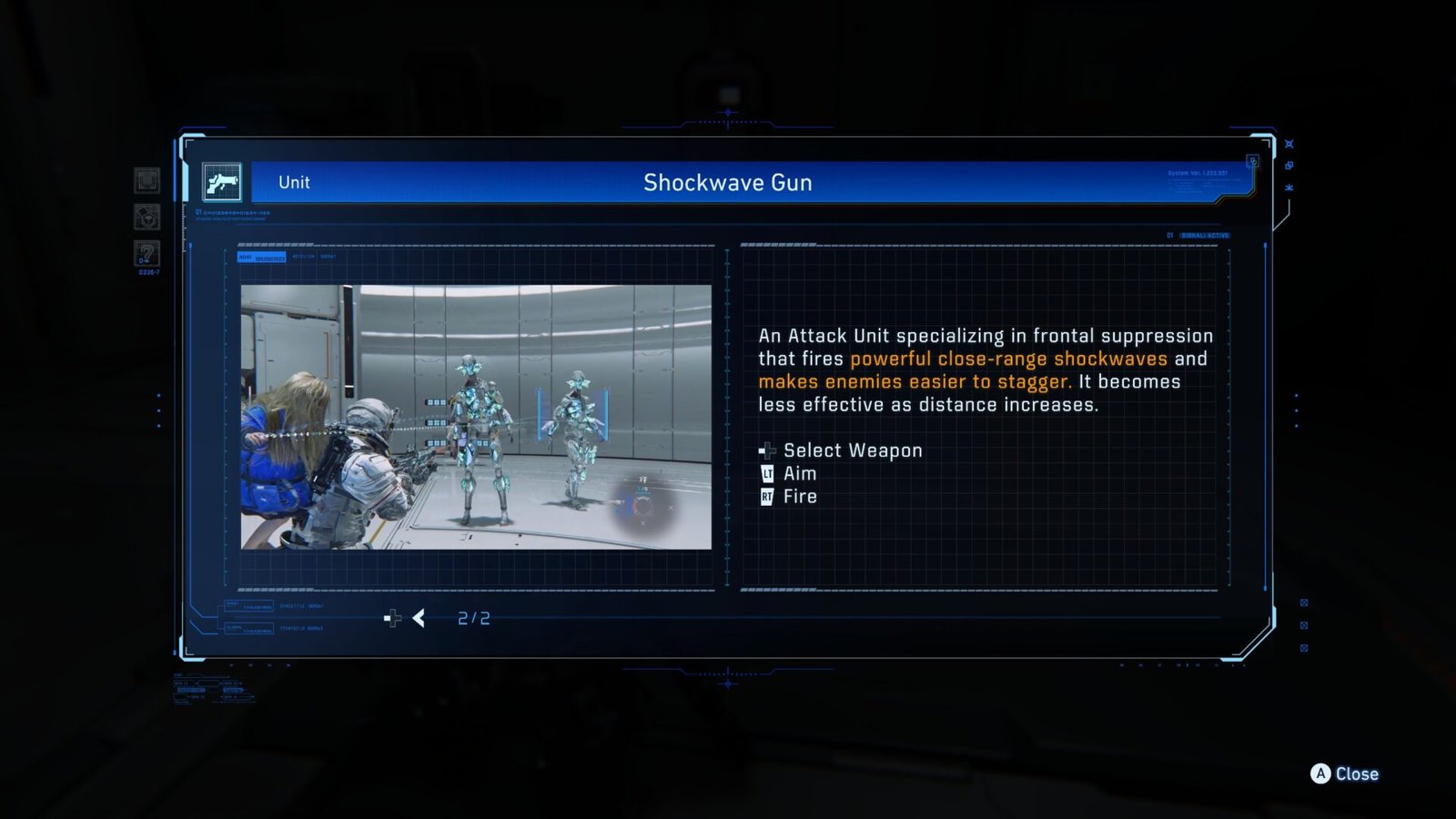
More weapons are introduced as the demo progresses, including the Shockwave Gun. It fires strong close-range blasts that are effective at staggering enemies, with damage dropping off quickly at range. Its design makes it useful in specific situations rather than as a general-purpose weapon.
Weapons are selected through a radial menu and can be swapped quickly using the assigned input. Secondary weapons have limited ammunition, which discourages constant switching and reinforces careful use.
World-Building and Progression
World-building is handled through collectible logs and holographic recordings found throughout the demo. After reading or viewing them, both Hugh and Diana comment, adding context without breaking pacing. All collected entries can be revisited later through the Archive tab in the options menu.
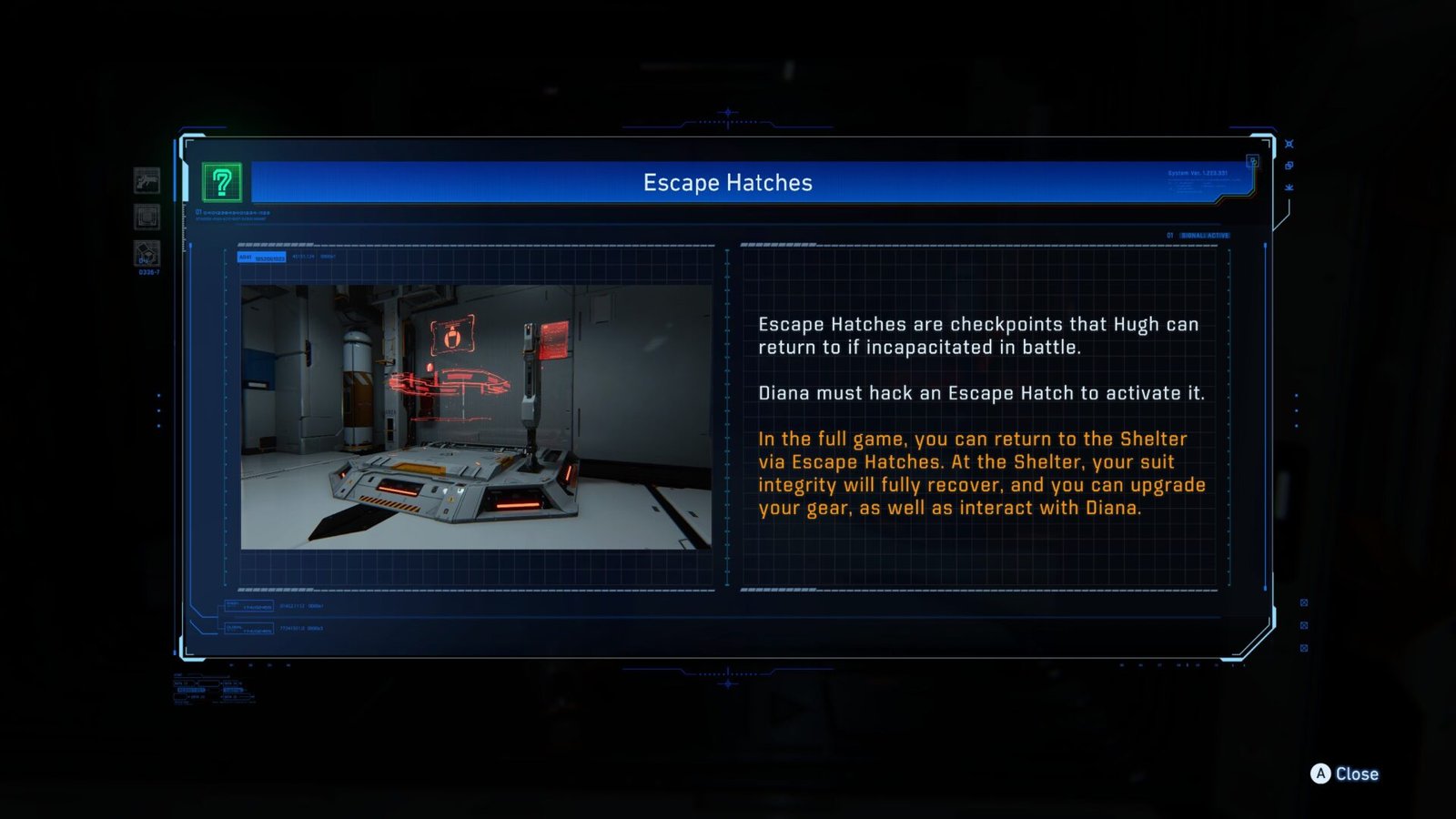
Later sections introduce Escape Hatches, which act as checkpoints if Hugh is downed during combat. These must be activated through Diana’s hacking system. In the full game, Escape Hatches also allow players to return to shelters. Shelters fully restore suit integrity, allow gear upgrades, and give players more opportunities to interact with Diana.
Late-Game Mechanics and Boss Encounter
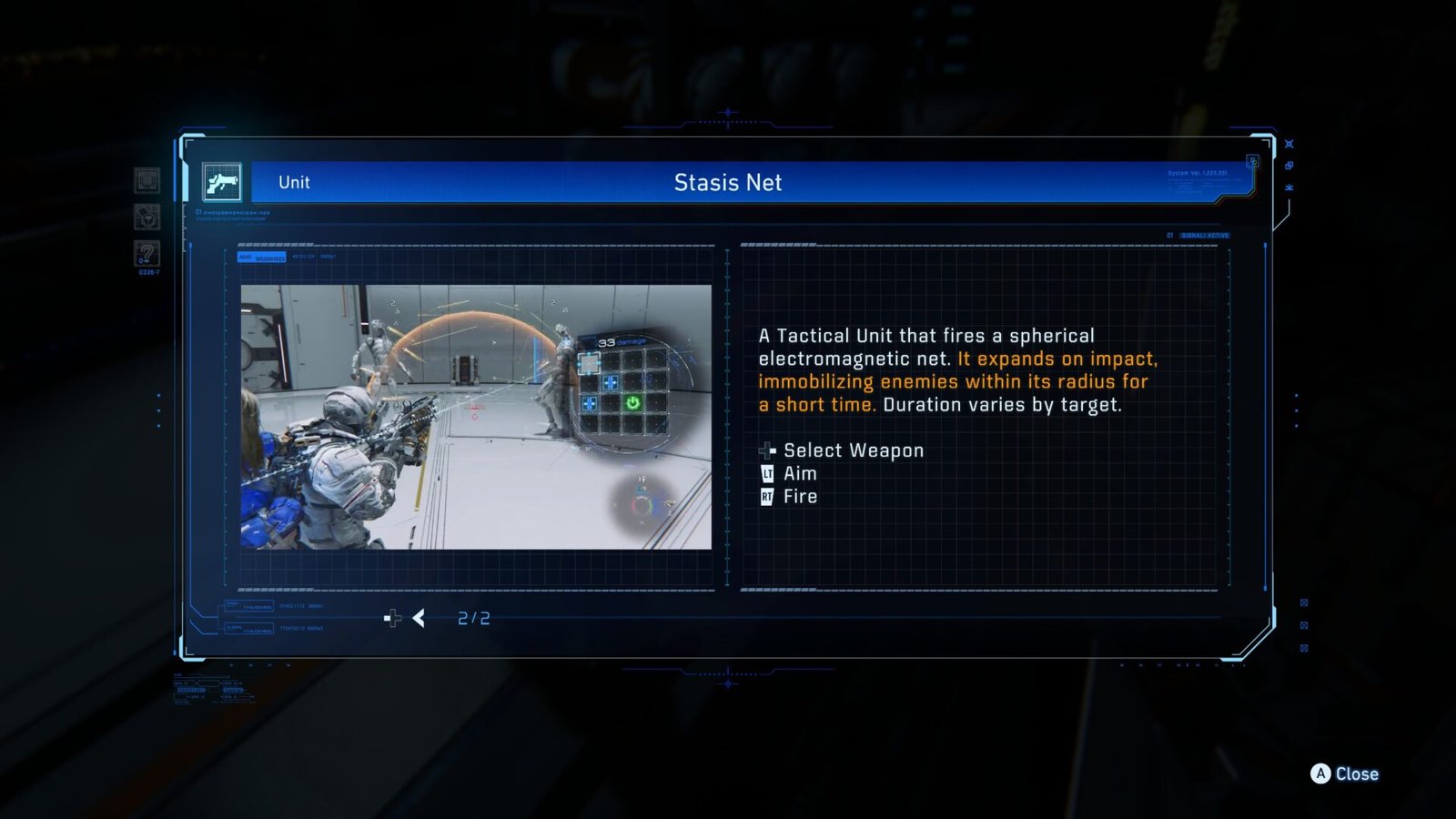
Near the end of the demo, the Stasis Net weapon is introduced. It fires an electromagnetic net that immobilizes enemies within a set radius for a short time, with the stun duration varying by enemy type. Players are then pushed through a short combat sequence to reinforce what they have learned.
The demo ends with its first boss fight, where players are taught a cinematic heavy attack that can be used once an enemy is fully stunned. Another late addition is Overdrive Protocol, Diana’s special ability that opens nearby enemies, briefly stuns them, and deals damage. When the hacking gauge is full, Overdrive Protocol is activated by pressing both L3 and R3.
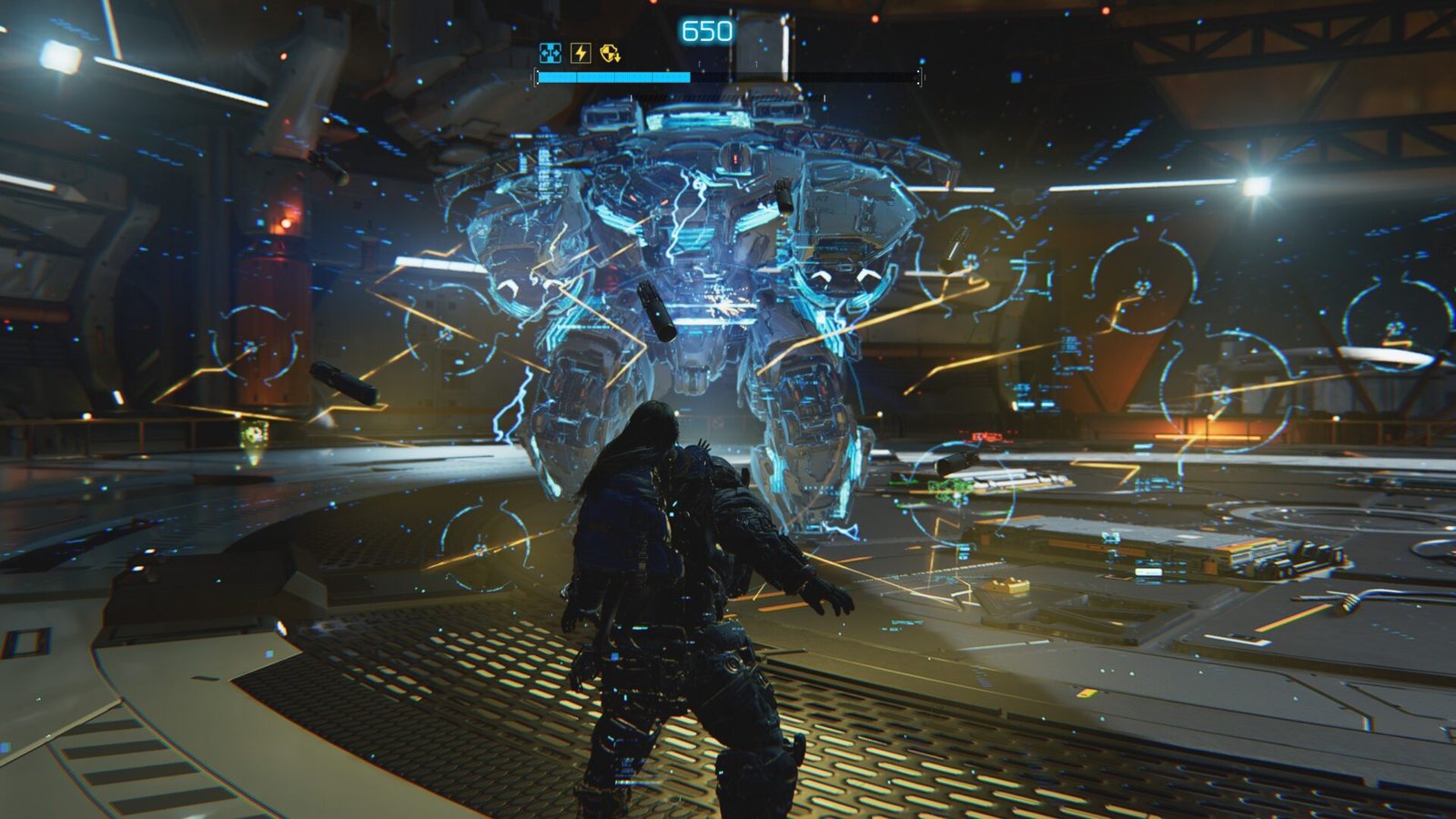
After defeating the boss, the demo closes with a short cutscene, a thank-you message, confirmation of the April 24, 2026 release date, and previews of upcoming unlocks. These include the Fast Moves mechanic, which functions similarly to Bayonetta’s Witch Time, a new outfit, and additional weapons.