
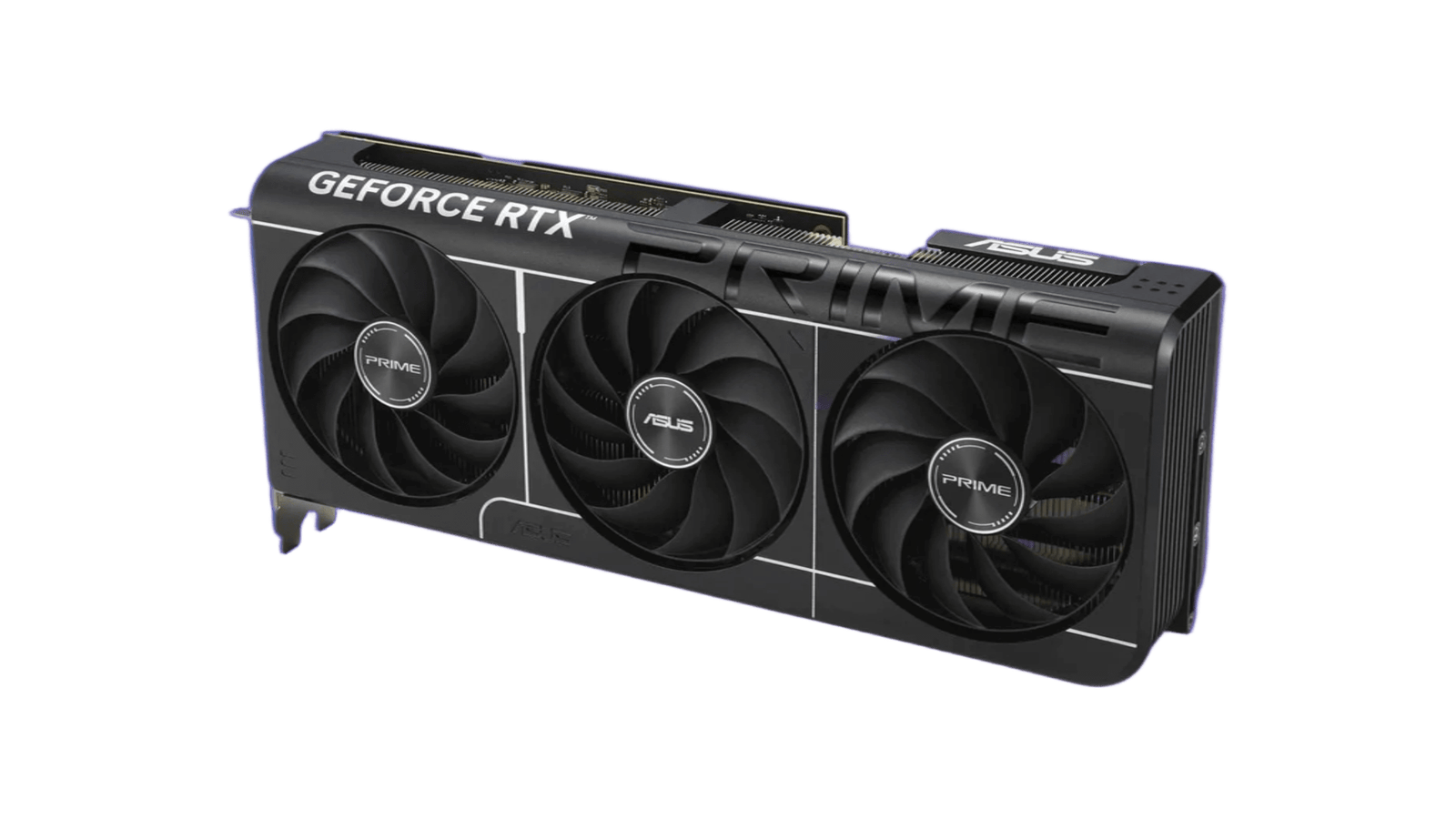
NVIDIA has reportedly halted production of the GeForce RTX 5070 Ti, with early claims from board partners pointing to an abrupt supply cutoff that has already begun tightening retail availability and pushing prices upward.
Update – January 16, 2026 (08:30 UTC):
ASUS has issued a public statement clarifying that the GeForce RTX 5070 Ti and RTX 5060 Ti 16 GB have not been discontinued or designated end of life. The company stated that earlier reports stemmed from incomplete information shared by an ASUS PR representative. According to ASUS, recent availability issues are tied to ongoing memory supply constraints that have temporarily affected production output and restocking cycles. ASUS added that it has no plans to stop selling these models and will continue supporting them while working with partners to stabilize supply.
Update – January 15, 2026 (19:45 UTC):
NVIDIA separately told HardwareLuxx that GeForce RTX products remain in production. The company cited strong demand alongside constrained memory supply as the primary reasons for limited inventory across multiple SKUs.
NVIDIA has reportedly ended production of its mid-range GeForce RTX 5070 Ti, less than a year after its February 20, 2025 release.
ASUS, one of NVIDIA’s largest add-in-board partners, has indicated that the RTX 5070 Ti is effectively in an end-of-life state. The company cited a deliberate supply cutoff and offered no guidance on future availability or whether supply conditions might improve.
As a result, retailers and manufacturers have struggled to source remaining stock. The shortage has already driven noticeable price increases across listings, reinforcing concerns that the RTX 5070 Ti may no longer be available through standard retail channels.
Industry-wide memory constraints are also contributing to the situation. Ongoing DRAM shortages have affected graphics memory supply, including GDDR7, making higher-capacity configurations more difficult to sustain under current conditions.
This report follows coverage published by TechPowerUp, citing information provided by ASUS.
Editor’s Take
The quiet wind-down of mid-range SKUs raises broader questions about capacity priorities and how long higher-memory configurations will remain viable under current supply constraints.
Editor’s Take (Update):
Subsequent statements from NVIDIA and ASUS suggest the situation is less about formal product retirement and more about sustained memory constraints colliding with elevated demand. While this clarification reduces immediate end-of-life concerns, it still highlights how fragile mid-range GPU availability becomes when memory supply tightens, especially for higher-capacity configurations.