
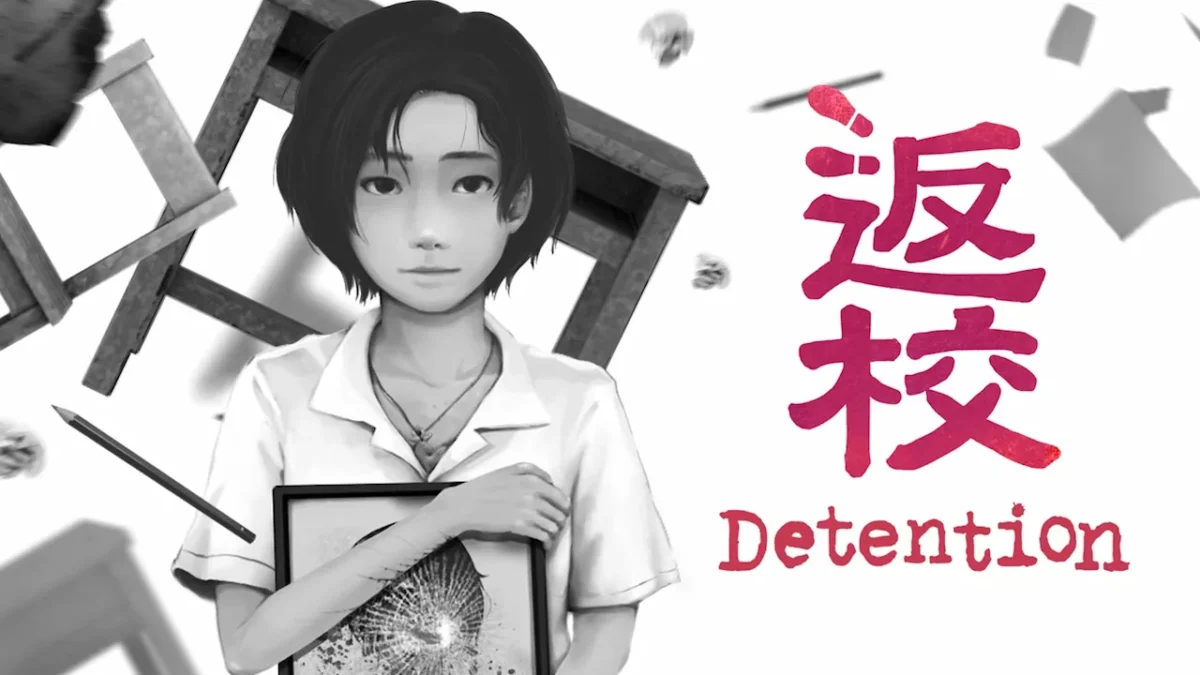
Our Detention Switch review examines a haunting exploration of historical trauma through the lens of traditional religious folklore.
By grounding supernatural elements in the very real tension of 1960s Taiwan, Red Candle Games has crafted a profoundly atmospheric adventure that remains a significant horror title on Switch 2.
Detention At a Glance
Release Date
Mar 1, 2018
Detention Background
Developed by Red Candle Games and led by Yao Shun-Ting, Detention began as a 1990s-inspired project before shifting to 1960s Taiwan during the White Terror, grounding its story in real history.
Influences included 1984, Taiwanese New Wave cinema, and classic horror like Silent Hill, Lone Survivor, and The Cat Lady. The goal was to portray “a nobody pursuing freedom under constrained circumstances,” with horror as the vehicle.
The six founders self-funded early development while taking outsourced work to stay afloat. A 2016 demo drew enough attention to complete the game, designed to be bilingual in Chinese and English. This accessibility helped Detention reach local and international audiences, becoming a cultural milestone for Taiwanese gaming (Hioe, 2017).
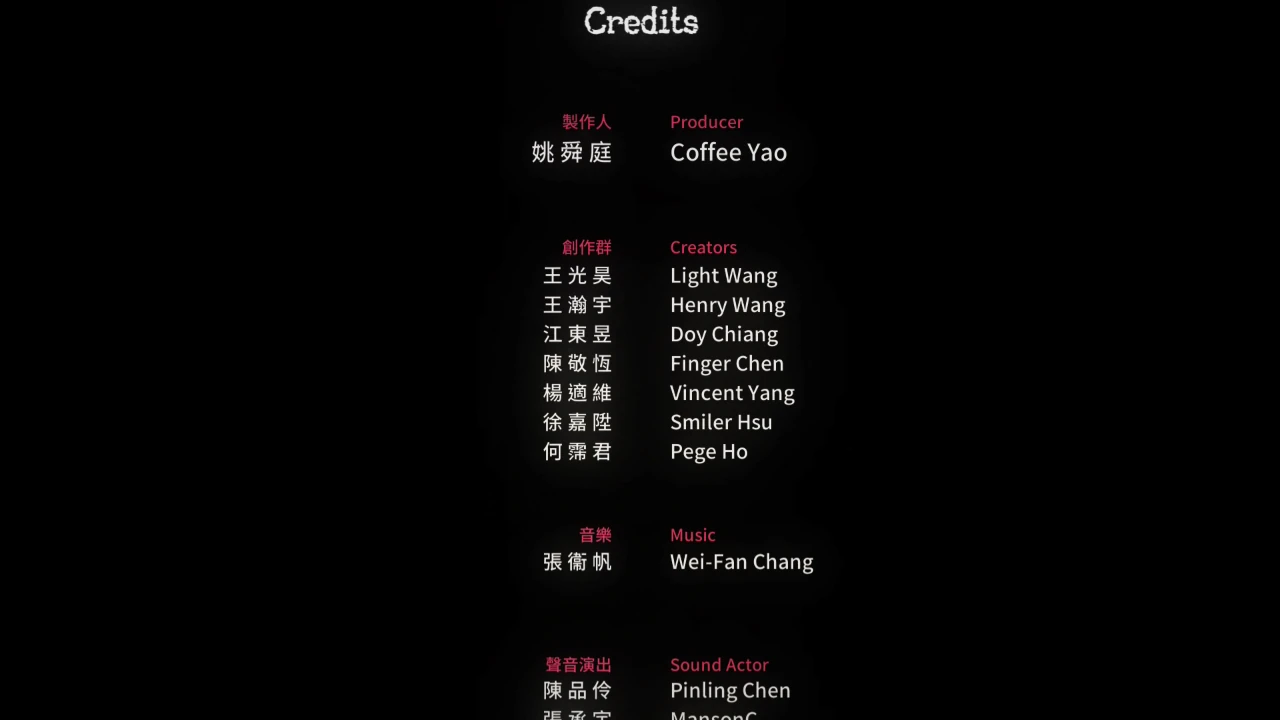
The development team for Detention includes:
- Shun Ting Yao (Producer / Creator)
- Nine Sols, Devotion
- Red Candle Creative Team (Design & Development)
- Nine Sols, Devotion
- Wei-Fan Chang (Composer)
- Detention
Detention Experience
My experience with horror games like Silent Hill and Spirit Hunter shaped my expectations going into Detention. The game confidently stands beside those influences while presenting horror through a distinctly Taiwanese lens.
Closure comes in two languages.
Detention Impressions
Introduction
Detention drops you into a silent school twisted by fear and paranoia. What begins as an escape story becomes a layered tale of guilt, memory, and repression set against Taiwan’s dark history.
One sentence begins a chain of horrors.
Gameplay & Mechanics
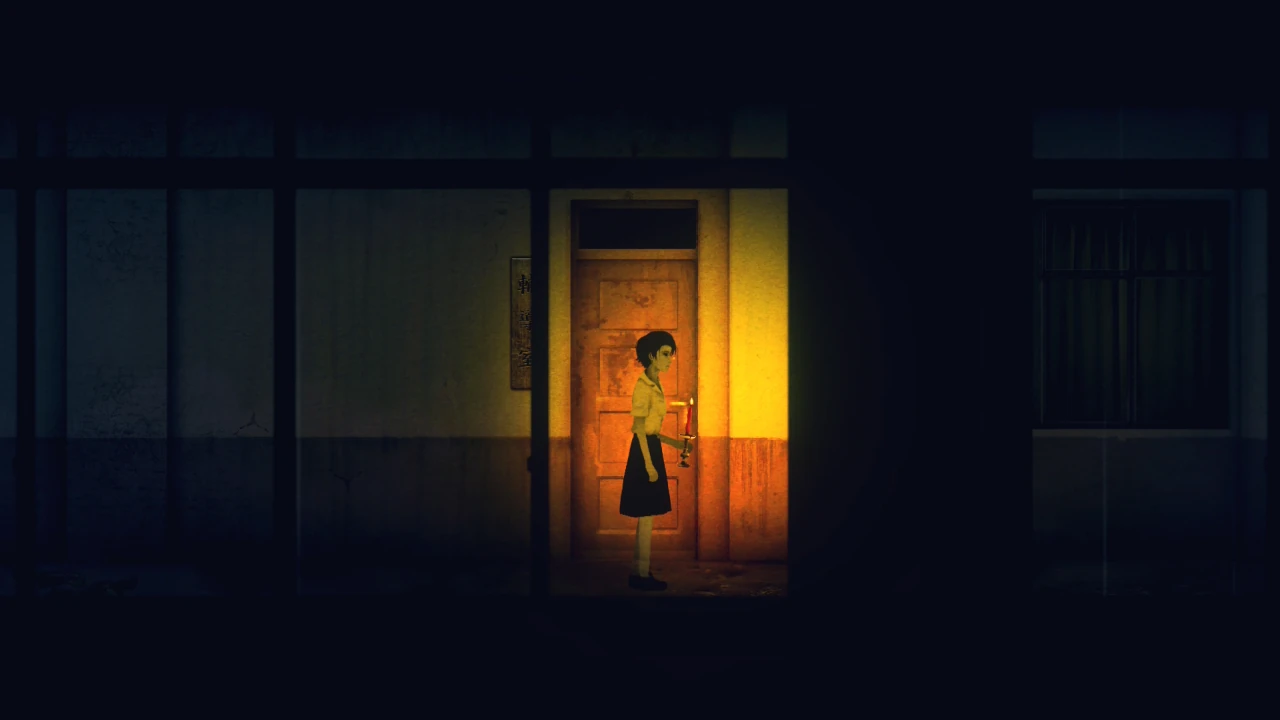
Ray moves through fear one flicker at a time.
2.5D Movement
Movement through hallways, classrooms, and courtyards feels restrictive, amplifying dread. Every step is deliberate, heightening tension.
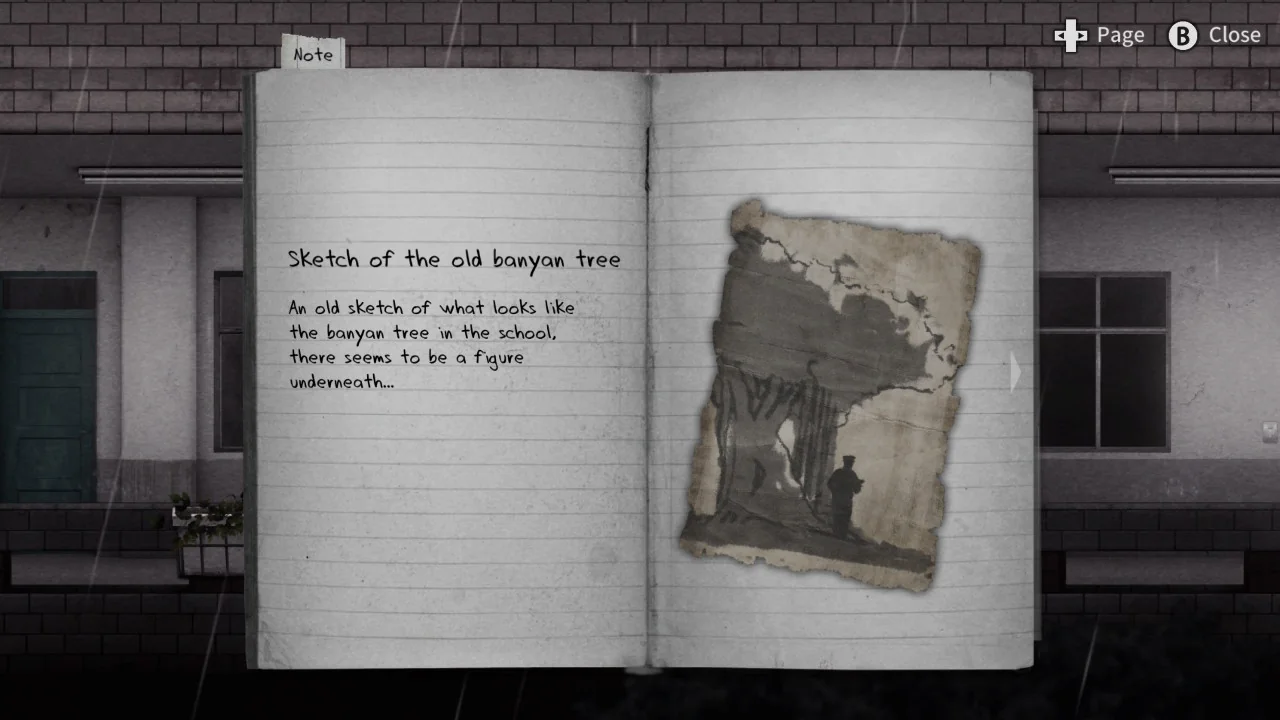
Clues deepen Ray’s past.
Notebook
Clues in the notebook reveal Taiwanese history and folklore, tying puzzles to the narrative’s emotional weight.
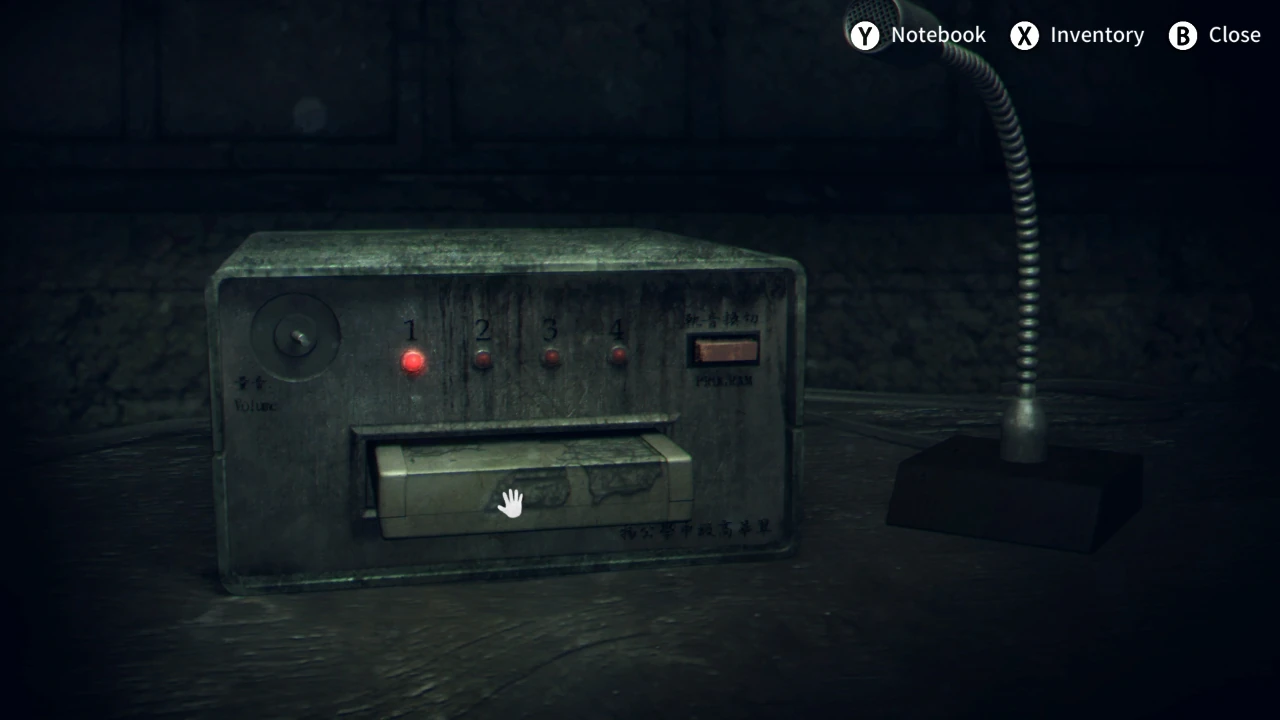
Each click brings back another buried memory.
Interactive Puzzles
Puzzles echo Silent Hill’s object-based challenges, with first-person interactions demanding attention. Like Spirit Hunter: Death Mark, they support multiple endings, rewarding exploration.
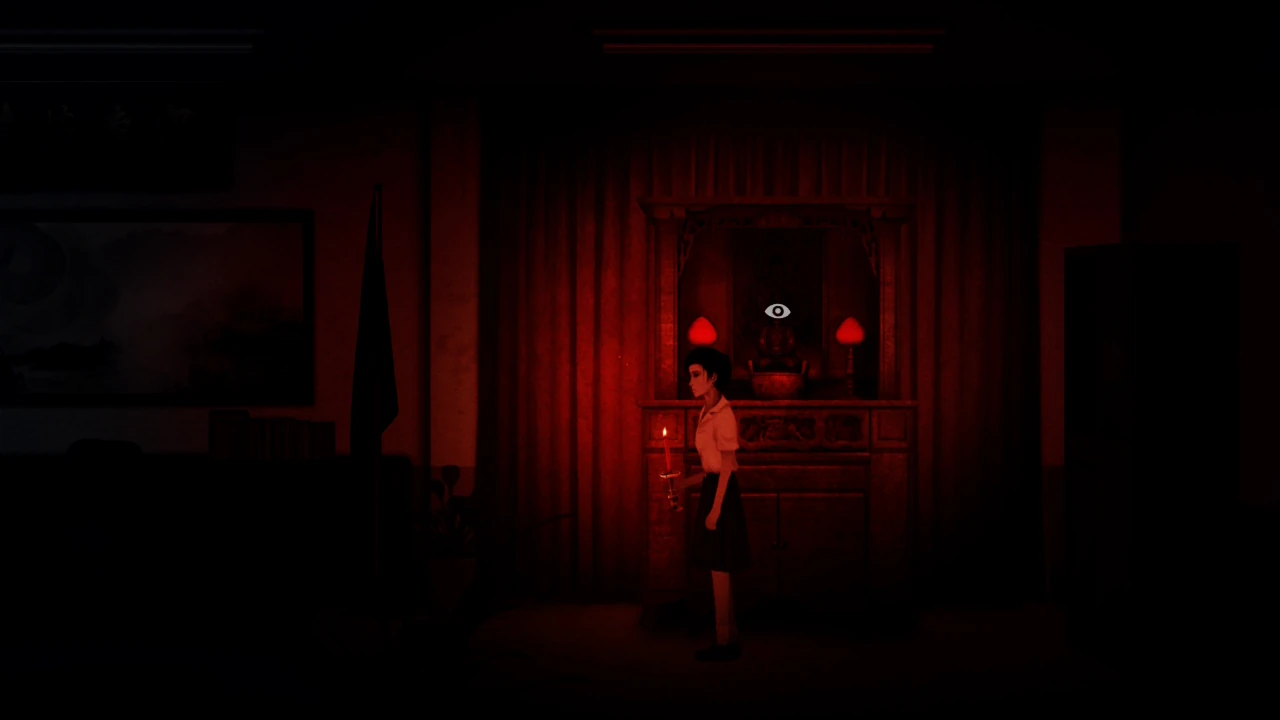
Save Shrines offer brief safety before the next nightmare.
Save Shrines
Red-glowing Save Shrines act as safe havens and respawn points, giving players a brief breather in oppressive darkness.
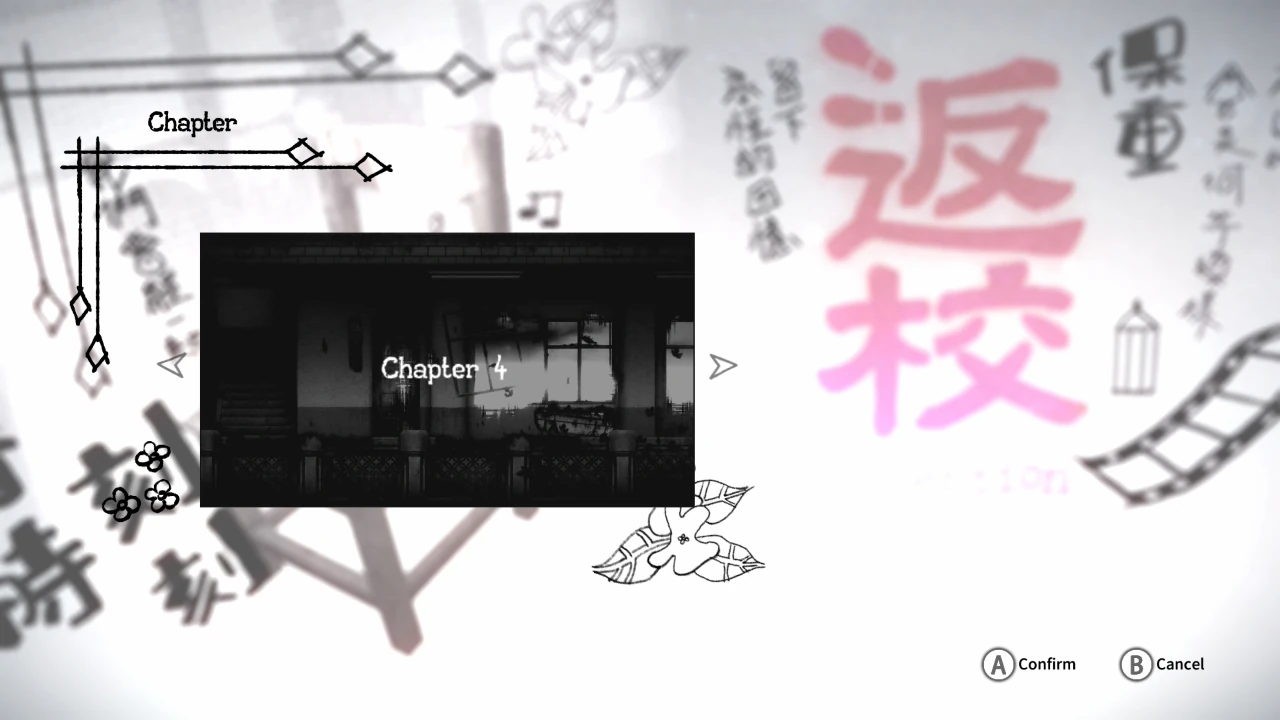
Chapter select lets players revisit every chilling moment.
Chapter Select
Chapter select lets players revisit sections for alternate endings, boosting replayability.
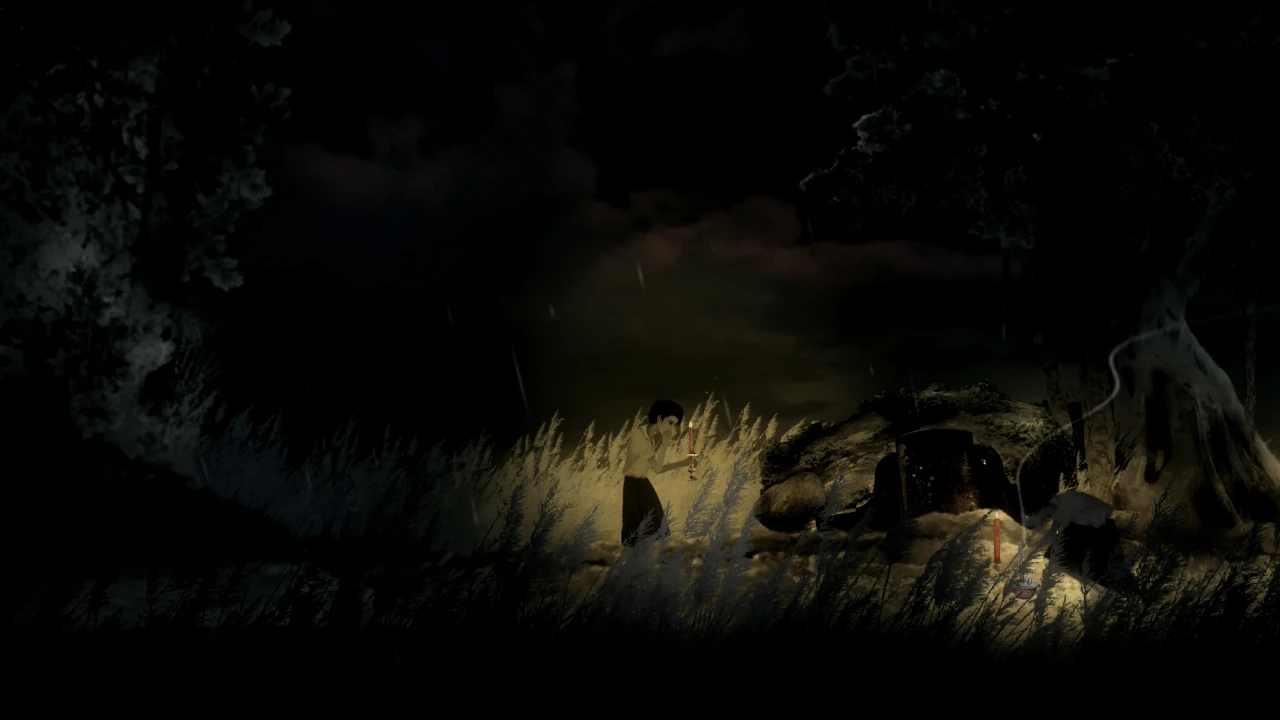
Food offerings give you a moment to slip past ghosts safely.
Food Offerings
Food can distract ghosts temporarily, giving players time to sneak past. They refill at Save Shrines, adding a subtle strategic element.
Art & Audio
Detention’s 2D art builds a haunting Taiwanese nightmare. Shadowy school halls and courtyards use muted greens and grays, with sharp contrasts and sudden imagery shifts. Characters show subtle expressions, from Wei’s haunted gaze to a ghost’s twisted smirk, carrying weight without overstatement. Glowing lanterns and objects pierce darkness, turning it into a tense, immersive element.
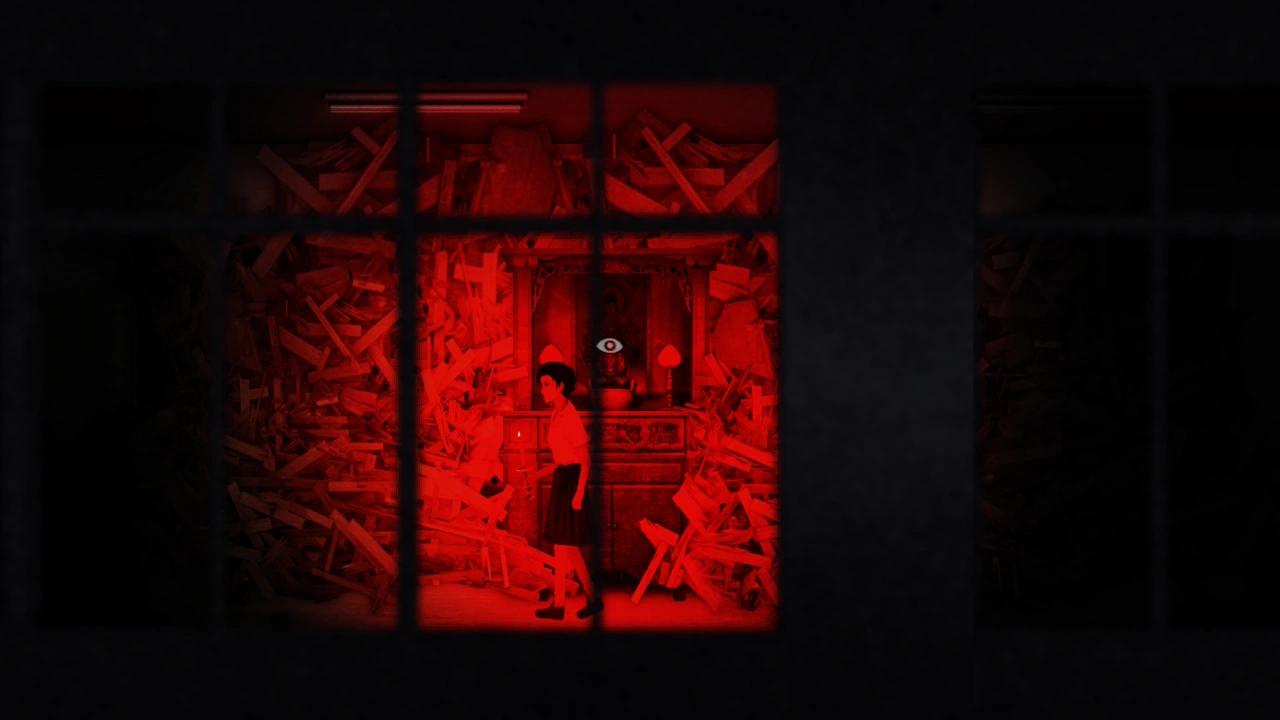
The game’s 2D art turns ordinary spaces into unsettling scenes.
Wei-Fan Chang’s score blends eerie ambience with Taiwanese folk influences:
Bang Chhun-Hong
Haunting folk melody tying culture to the eerie atmosphere.
Haunted By The Past
Pulses with a tense rhythm, mimicking a heartbeat and amplifying dread.
Detention (Main Theme)
Ambient track blending traditional instruments with modern horror cues, perfect for the school’s oppressive halls.
Detention Switch 2 Performance
On the Nintendo Switch 2, Detention runs smoothly, with no noticeable frame-rate issues. The compact 3–4 hour runtime feels tight, and the game’s visuals and audio shine consistently, ensuring an immersive experience.
Unique Features & Mechanics
Detention stands out with elements that root its horror in Taiwanese culture and make it accessible worldwide.
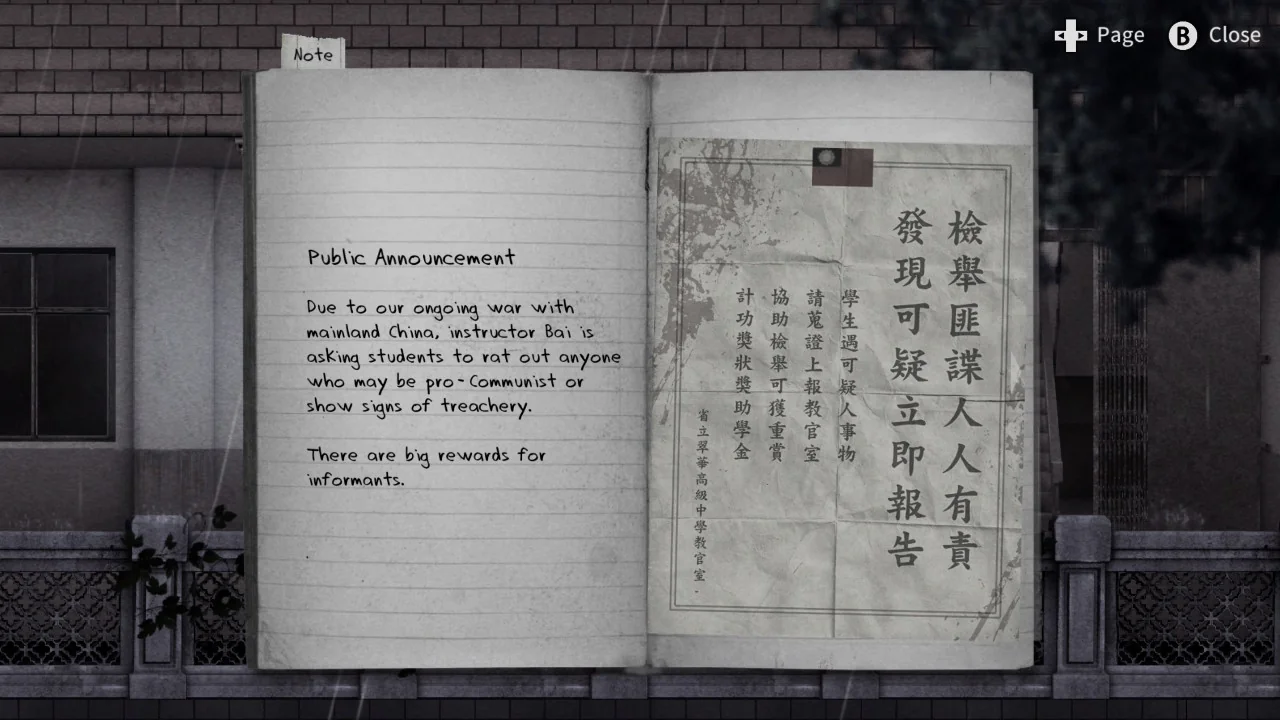
Cultural references and notes tie the game’s horror to real-world Taiwanese events.
Cultural Integration
Detention blends Taiwanese history and folklore into horror. Real-world oppression from the White Terror shapes the narrative. Folk songs, shrines, and offerings make the supernatural feel grounded.
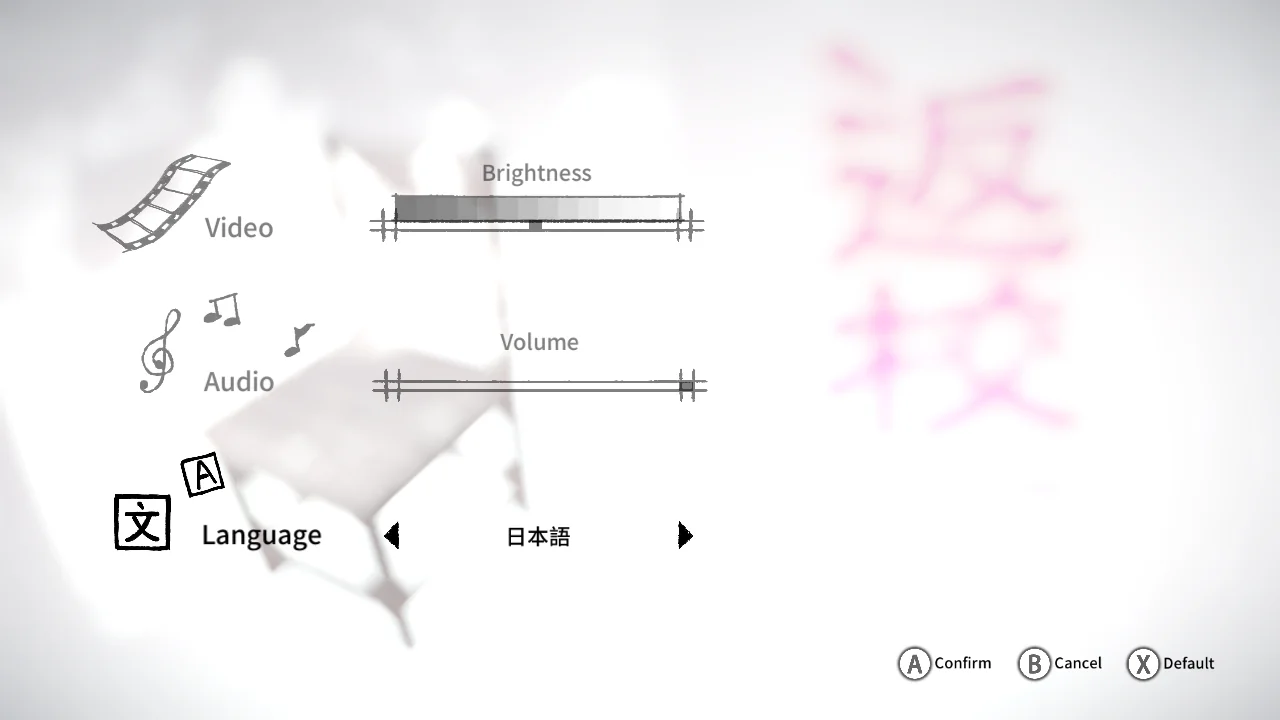
Switch between Chinese and English to experience the game in your preferred language.
Bilingual Support
Chinese and English are fully supported, preserving idioms and cultural context while keeping story and puzzles clear for international players.
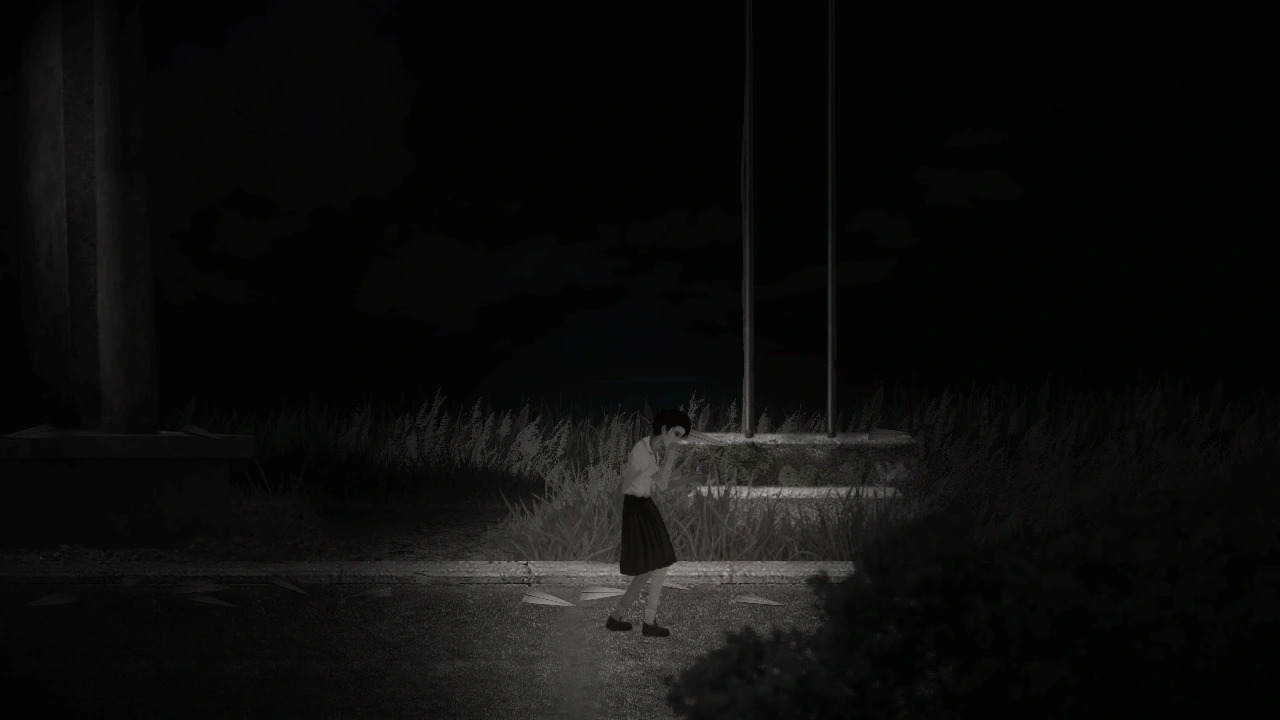
Slip past spirits and survive the shadows with careful timing.
Hold Breath
Holding breath avoids ghost detection, requiring careful timing and positioning, complemented by food offerings for strategic play.
Multiple Endings
Choices and exploration determine outcomes, rewarding careful observation and replay.
Detention Switch Review Verdict
Detention fuses horror, history, and cultural depth. Its mechanics are simple, but tension, narrative, and aesthetic create a compelling horror title interweaving Taiwanese folklore with the White Terror.
Lantern ghosts can kill quickly, but forgiving checkpoints keep frustration low and focus on the story. The game’s success led to a live-action adaptation and paved the way for Red Candle Games’ later projects, including Devotion and Nine Sols. Short but powerful, Detention is worth any horror fan’s time.
Detention TLDR
Detention (Switch 2)
Detention is a politically charged horror story that blends history and myth into a uniquely Taiwanese nightmare.
The oppressive atmosphere and clever puzzles create a deeply unsettling experience that lingers long after the credits roll.