
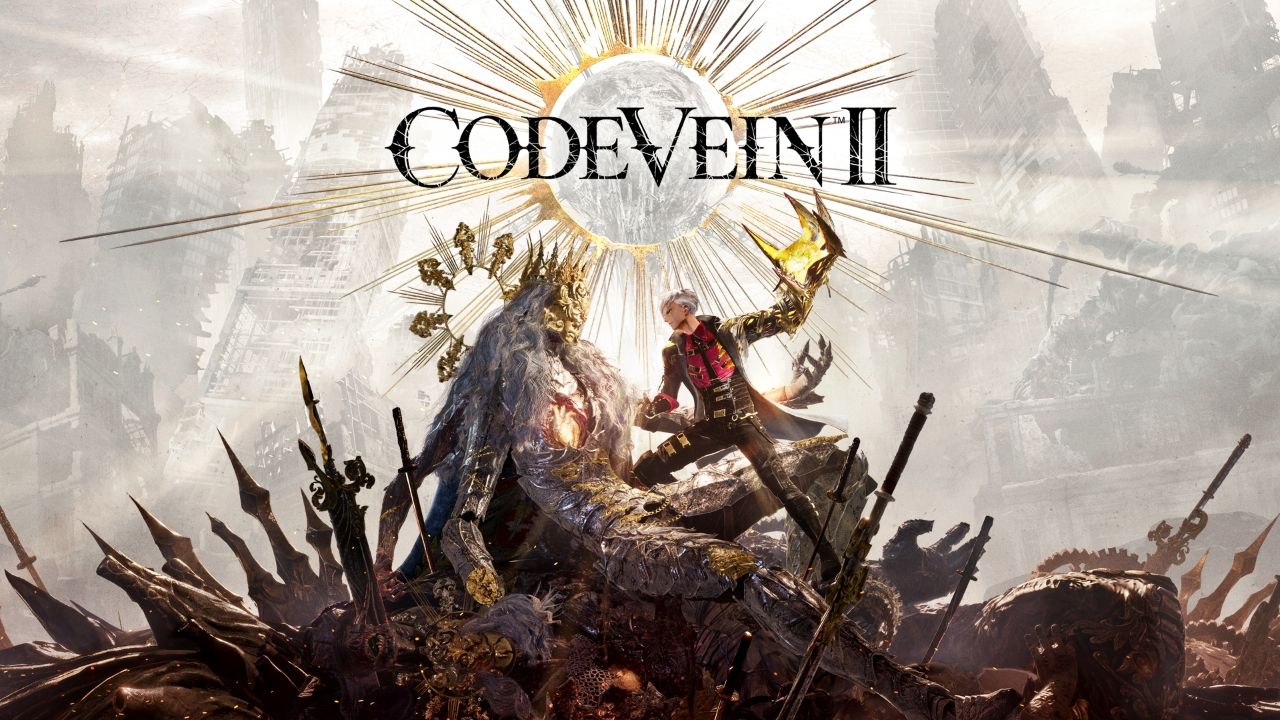
The Japanese release of Code Vein II will move away from the term “Revenants,” while international versions will continue using it. The change was reported by Automaton, citing comments from the game’s director in a recent interview.
In the original Code Vein, Revenants were humans kept alive through artificial means, relying on bioengineered parasites to persist after death. Code Vein II takes a different direction for its domestic release. Characters that occupy a similar role are referred to as “Kyuuketsuki,” meaning vampires, from the outset. Director Hiroshi Yoshimura explained that the sequel reworks the setting at a foundational level, positioning it as a fresh interpretation rather than a strict continuation. As part of that shift, these beings exist naturally within the world rather than being created through experimentation. Yoshimura shared these details during a joint media interview conducted by Famitsu.
The difference in terminology is already visible in promotional material. English trailers continue to reference Revenants, while Japanese versions consistently use Kyuuketsuki. Yoshimura noted that the English word “revenant,” meaning one who returns from death, still aligns with the concept being presented overseas. In Japan, the katakana term レヴナント is closely associated with the bioengineered undead from the first game. Since that association is strong and the word itself offers little clarity to domestic players, the development team opted for a more literal descriptor.
It remains unclear whether subtitle text in other languages will reflect this naming difference when players select Japanese voice audio. Spoken dialogue will follow the updated terminology, as shown in current trailers.
Code Vein II launches January 29 on PC via Steam, PlayStation 5, and Xbox Series X|S, with regional naming differences now confirmed ahead of release.