

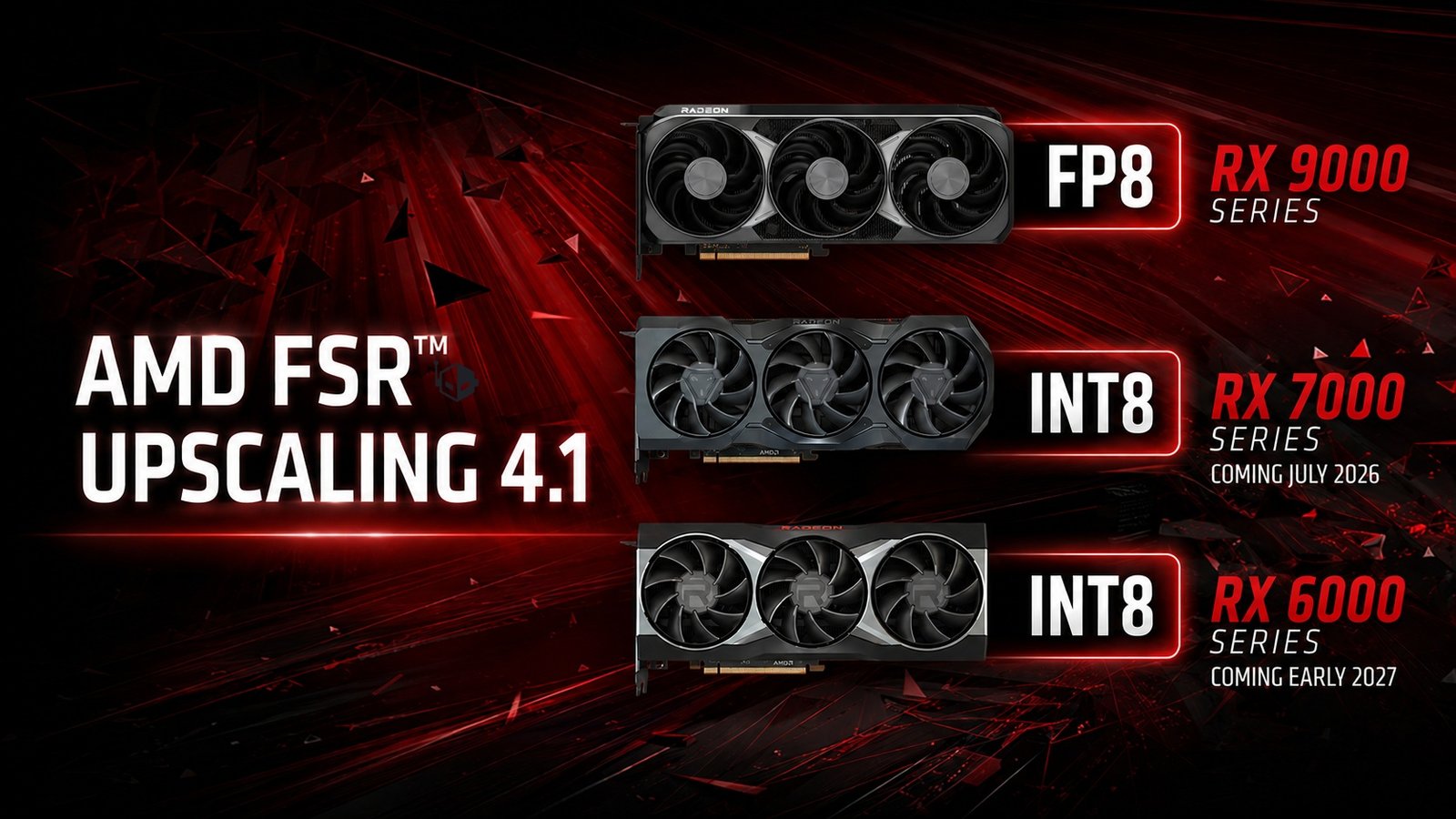
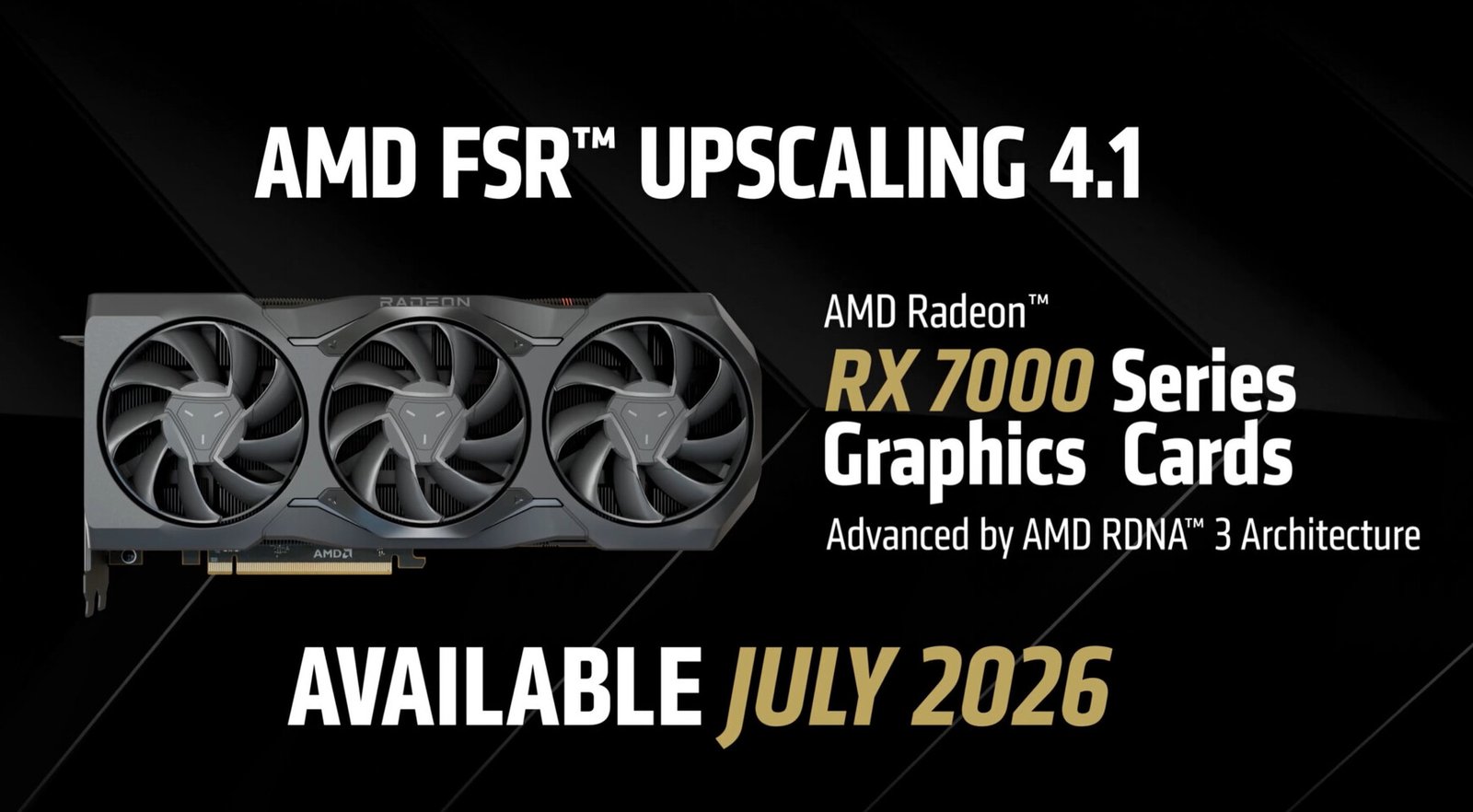
The FSR 4.1 previous-gen support timeline is finally official. AMD Senior VP Jack Huynh confirmed via X that the latest iteration of FidelityFX Super Resolution will arrive on RDNA 3 (RX 7000) GPUs in July 2026.
This ends months of silence regarding whether the AI-driven upscaler would remain exclusive to RDNA 4 hardware.
FSR 4.1 Implementation Roadmap
| Hardware Architecture | GPU Series | Expected Release |
| RDNA 4 | Radeon RX 9000 | Available Now |
| RDNA 3 | Radeon RX 7000 | July 2026 |
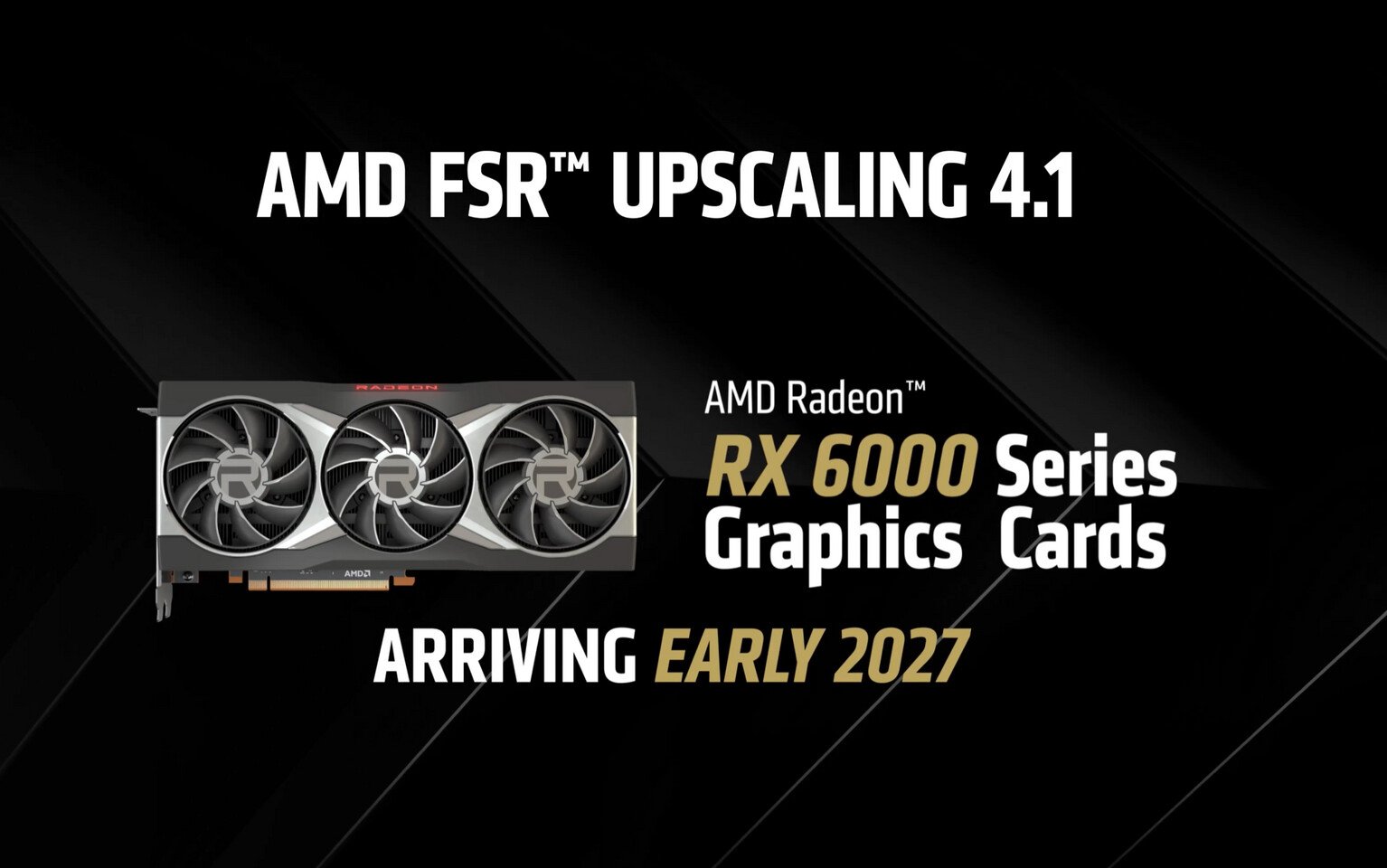
| RDNA 2 | Radeon RX 6000 | Early 2027 |
The Move to AI Upscaling
AMD faced criticism for trailing NVIDIA in hardware-agnostic updates. While NVIDIA consistently provided DLSS features for older RTX cards, RDNA 3 owners were left waiting for official FSR 4.1 integration. This silence led to the rise of community tools like Optiscaler. These allowed users to force INT8 versions of FSR 4 into games with impressive visual results.
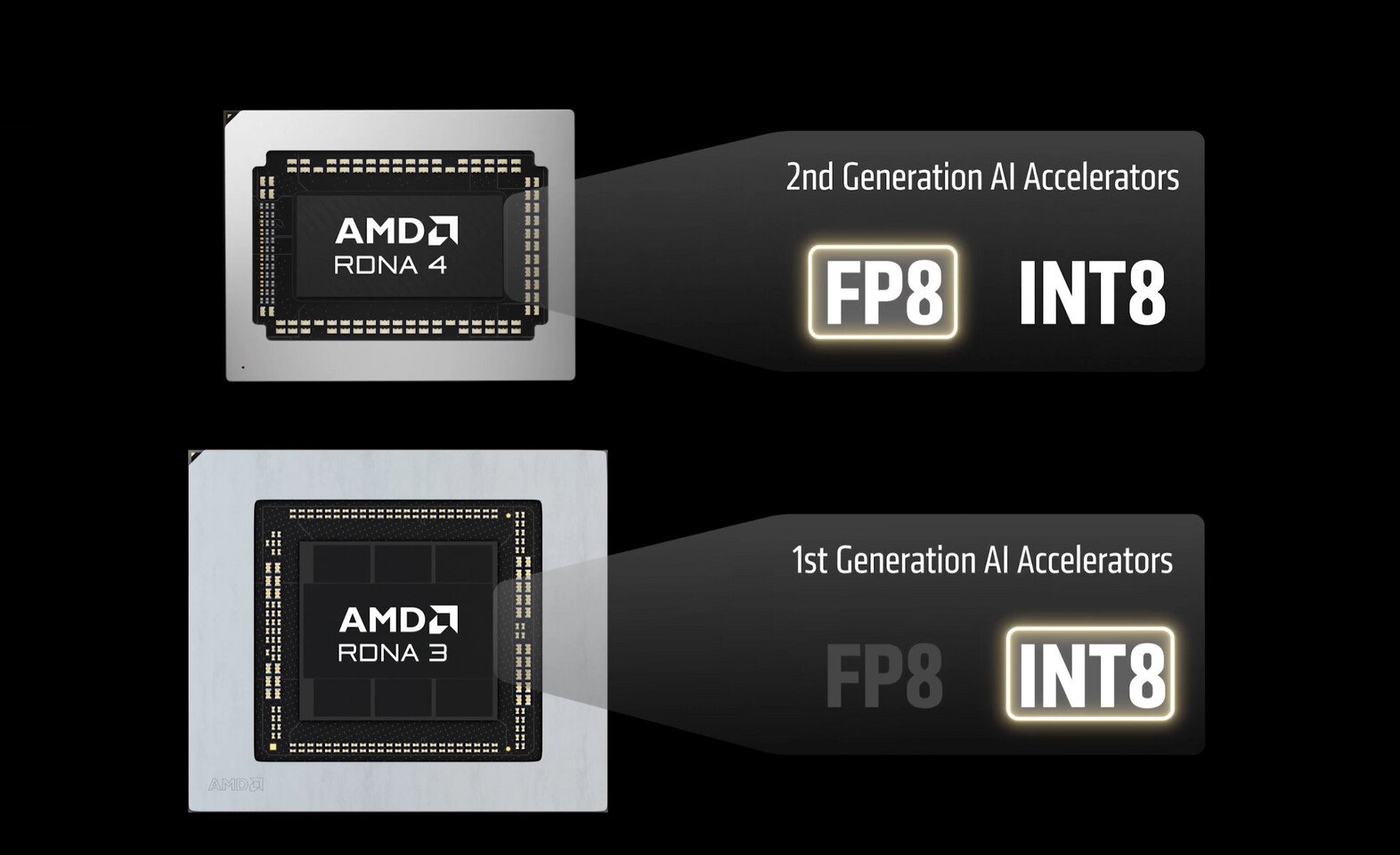
The official July launch removes the need for unofficial wrappers. FSR 4.1 utilizes machine learning for upscaling and frame generation. This reduces the shimmering artifacts found in FSR 3.1 and provides a cleaner technical record for high-motion titles. While RDNA 4 uses FP8 processing, the version for previous-gen cards is optimized for INT8. This ensures older chips can handle the AI workload without a massive performance penalty.
FSR 4.1 Previous-gen Support | Editor’s Take
The FSR 4.1 previous-gen support announcement is a win for hardware sustainability. For those of us on Linux distributions or standard AMD builds, the lack of AI-driven upscaling on RDNA 3 felt like a forced obsolescence move. Jack Huynh’s confirmation suggests that AMD is finally prioritizing the software stack as much as the silicon.
The most interesting detail is the teaser for RDNA 2 in early 2027. This could point to a specialized version of FSR 4.1 that circumvents the lack of dedicated AI accelerators on older AMD hardware. If AMD can pull off a high-fidelity AI upscaler on the 6000 series, they effectively extend the life of millions of mid-range GPUs. This is the kind of technical support that keeps users loyal to the Radeon brand when NVIDIA’s proprietary wall gets too high. For Linux gamers, this also signals a path for official Mesa and Proton support, which could eventually benefit the Steam Deck.